
Thought Records Made Simple: A Step-by-Step CBT Guide
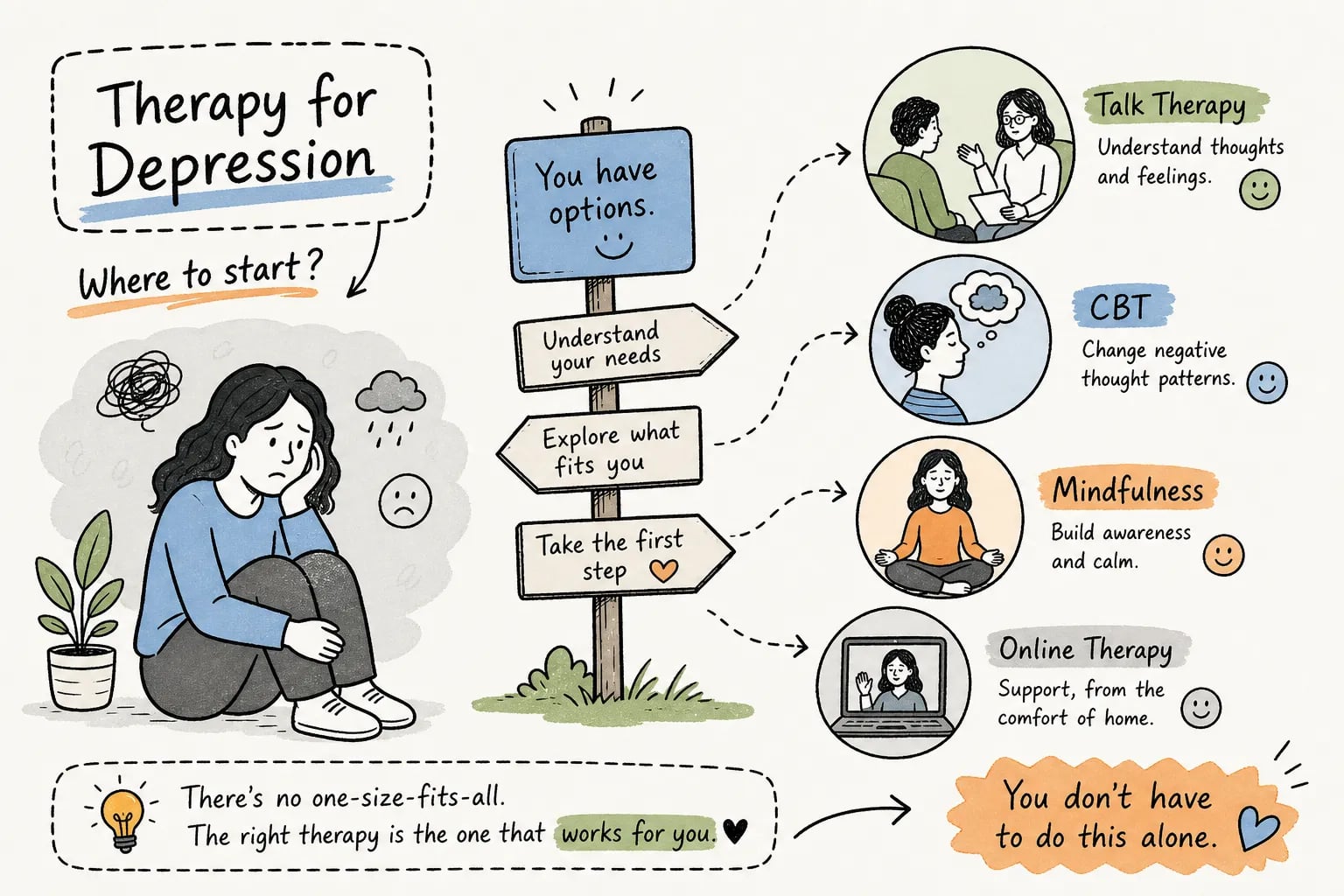
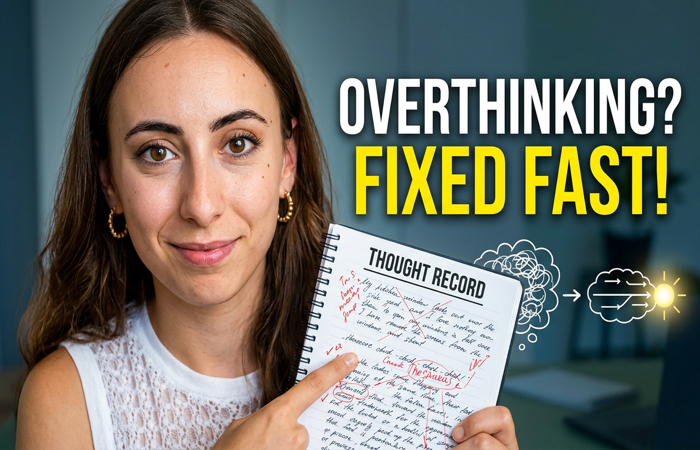
Thought records are among the most practical tools in cognitive behavioral therapy (CBT). They help people slow down, notice what happened, identify automatic thoughts, examine emotional reactions, and build a more balanced response. This guide explains how thought records work, why they matter, and how to use them step by step in daily life. It also covers common mistakes, useful prompts, and when support from a licensed therapist may help.
Thoughts can move fast. A stressful email, a hard conversation, a mistake at work, or a tense family moment can trigger a quick chain reaction. The mind may jump to worst-case outcomes, harsh self-judgment, or assumptions that feel true in the moment. When that happens, emotions often rise just as quickly. Anxiety, shame, sadness, anger, or hopelessness can take over before there is time to pause.
A thought record creates that pause. Instead of treating every thought like a fact, it helps to break the experience into parts. What happened? What thought showed up first? What emotion followed? What evidence supports that thought, and what evidence does not? Once those questions are written down, it becomes easier to replace extreme thinking with something more accurate and useful.
CBT does not ask people to fake positivity. It asks for a fair review of the facts. That difference matters. A balanced thought is not unquestioning optimism. It is a grounded statement that makes room for uncertainty, context, and self-compassion. Over time, this practice can reduce emotional intensity, improve problem-solving, and support healthier behavior choices.
Why Thought Records Matter in CBT
Thought records are used in CBT because thoughts, feelings, bodily sensations, and behaviors often influence one another. A person who thinks, “This always goes wrong,” may feel anxious, tense up physically, and avoid the next step. That avoidance can then reinforce the original belief. A thought record interrupts that cycle by making the pattern visible.
This tool can be helpful for many concerns, including anxiety, depression, panic, stress, perfectionism, low self-esteem, relationship conflict, and burnout. It can also help people who tend to overgeneralize, assume the worst, mind-read, or hold themselves to impossible standards. The goal is not to eliminate emotion. The goal is to respond with more clarity and less reactivity.
Thought records are often most effective when used consistently. Even brief notes can reveal patterns over time. Many people begin to notice repeating triggers, familiar cognitive distortions, and common themes such as fear of failure, fear of rejection, or pressure to appear in control. Once those patterns are clear, change becomes more realistic.
Step-by-Step: How to Complete a Thought Record
1. Describe the situation
Start with the facts. Write a short description of what happened, where it happened, and who was involved. Keep this part simple and concrete. For example: “A supervisor asked to talk after a meeting,” or “A friend did not reply to a text for two days.” The situation should read as if a camera could record it.
2. Name the emotions
List the emotions that came up and rate the intensity from 0 to 100. This helps separate feelings from thoughts. Common emotions include anxiety, sadness, anger, guilt, embarrassment, loneliness, frustration, and disappointment. A person may feel more than one emotion at the same time.
3. Identify the automatic thought
Write the first thought or image that came to mind. This is often short, sharp, and emotionally loaded. Examples include: “I am going to get fired,” “They are upset with me,” “I ruined everything,” or “Nothing ever works out.” Automatic thoughts often appear so quickly that they feel like facts. Writing them down helps create distance.
4. Spot the thinking pattern
Many automatic thoughts follow common patterns. These may include catastrophizing, black-and-white thinking, mind-reading, fortune-telling, emotional reasoning, labeling, or discounting the positive. Noticing the pattern can reduce its power. It also helps people see that the mind may be filling in gaps rather than reporting reality.
5. Examine the evidence that supports the thought
This section asks for facts, not fears. What real evidence supports the automatic thought? Maybe the supervisor sounded serious. Maybe a deadline was missed. Maybe there has been tension in the relationship. This part matters because balanced thinking should not ignore the difficult parts of a situation.
6. Examine the evidence against the thought
Now list the facts that do not fit the automatic thought. Has the supervisor given positive feedback before? Could there be other reasons for the meeting? Has the friend been busy in the past without it meaning anything personal? Is there any proof that the feared outcome will happen? This step often reveals missing context.
7. Write a balanced thought
Create a replacement thought that is realistic, fair, and grounded. It should acknowledge the stress without jumping to the worst conclusion. For example: “I do not know why the supervisor wants to talk. It could be about several things. Even if feedback is coming, that does not mean disaster.” A good, balanced thought usually feels believable rather than forced.
8. Re-rate the emotions
After writing the balanced thought, rate the emotions again on a scale of 0 to 100. The goal is not always to bring the number to zero. Even a modest drop can show that the thought record is working. A shift from 85 to 60 may be enough to think more clearly and choose a healthier next step.
Did You Know? CBT Support in Chicago
In a busy city like Chicago, stress can build from many directions at once. Long work hours, family demands, traffic, academic pressure, and social expectations can all shape how people think about themselves and others. Thought records are useful because they can be done between sessions, at home, during a lunch break, or after a difficult event. That makes it a practical skill for daily life, not just something used in an office.
For people looking for counseling in downtown Chicago, structured CBT tools may offer a clear starting point when anxiety, depression, perfectionism, or relationship stress begin to interfere with everyday functioning. A therapist can help tailor thought records to a person’s needs, especially when patterns feel deeply rooted or hard to shift on one’s own.
Common Mistakes When Using Thought Records
One common mistake is writing opinions as facts in the situation section. “My coworker ignored me because I am annoying” is not a neutral description. A better version would be: “My coworker walked past me and did not say hello.” The more precise the situation, the easier it is to evaluate the thought fairly.
Another mistake is trying to replace a painful thought with a statement that feels fake. A person who believes “I always fail” may not believe “I am amazing at everything.” That kind of jump often backfires. A stronger replacement might be: “This setback is hard, but one mistake does not define the whole picture.” Balanced thoughts work best when they are believable.
Some people also skip the evidence section and rush to the answer. That limits the benefit. The strength of a thought record comes from slowing down and reviewing the facts. It is a process, not just a worksheet. Others may only use the tool after major events, even though smaller day-to-day triggers often reveal the clearest patterns.
How to Make Thought Records More Effective
Thought records work best when the trigger is still fairly fresh. The details are easier to recall, and the automatic thought is usually clearer. Taking notes on a phone or using a printed worksheet can help. Some people do better writing only a few lines at first. Others prefer a fuller review with emotional ratings and evidence columns.
It also helps to focus on one thought at a time. A stressful event may trigger several beliefs at once, such as “I am failing,” “They are judging me,” and “This will never get better.” Pick the thought that feels strongest and start there. Trying to tackle everything at once can make the exercise feel overwhelming.
Repetition matters. A single thought record can be useful, but real change often comes from practicing the skill across similar situations. Over time, people may begin to catch distorted thinking earlier. They may notice the automatic thought before it fully takes over. That shift can support calmer communication, steadier mood, and more intentional choices.
When Professional Support May Help
Thought records can be a helpful self-guided exercise, but some situations call for added support. Strong panic symptoms, severe depression, trauma reactions, obsessive thinking, persistent hopelessness, or relationship patterns that feel painful and stuck may benefit from work with a licensed mental health professional. A therapist can help identify deeper core beliefs, refine the exercise, and connect thought work to behavior change.
CBT is often most useful when it is adapted to the individual. Some people need shorter prompts. Others benefit from more structure, coaching, or follow-up. When used as part of a larger treatment plan, thought records can serve as a practical bridge between therapy sessions and daily life.
Common Questions Around Thought Records Made Simple: A Step-by-Step CBT Guide
Are thought records only for anxiety?
No. They are commonly used for anxiety, but they can also help with depression, anger, shame, stress, perfectionism, and relationship conflict.
How long should a thought record take?
Some can be completed in five to ten minutes. Others take longer when the situation is emotionally intense or the thinking pattern is complex.
What if the balanced thought does not change the feeling right away?
That can still be progress. The goal is not instant relief every time. The goal is a fairer response that reduces emotional intensity and supports healthier action over time.
Can thought records be used between therapy sessions?
Yes. Many therapists encourage this because it helps bring real-life examples into the next session and builds skills outside the therapy room.
What is the difference between a thought and a feeling?
A thought is the interpretation, such as “I am not good enough.” A feeling is an emotional response, such as sadness, anxiety, or shame.
CBT thought record, cognitive behavioral therapy, automatic thoughts, cognitive distortions, anxiety coping skills
Relevant words
thought records, CBT worksheet, cognitive restructuring, challenging negative thoughts, balanced thinking, anxiety treatment, depression coping skills, therapy tools, counseling in Chicago, River North therapist
Authority Links
- National Institute of Mental Health – Psychotherapies
- American Psychological Association – Cognitive Behavioral Therapy
- National Library of Medicine Bookshelf
Expand Your Knowledge
- Substance Abuse and Mental Health Services Administration
- Beck Institute for Cognitive Behavior Therapy
- MedlinePlus – Mental Health
Visit River North Counseling Group LLC
River North Counseling Group LLC
405 North Wabash Avenue
Suite 3209
Chicago, Illinois
60611
Office: 312.467.0000
https://www.rivernorthcounseling.com