
This article explains how to perform progressive muscle relaxation (PMR), why it works, the benefits it offers, and how to do it step by step, as well as how to integrate it into your therapy or daily wellness routine. It also highlights considerations and tips for safe practice, and links clients seeking support to River North Counseling Group LLC in Chicago.
If you’re feeling tense, anxious, or simply carrying daily stress in your body, you might find that your muscles are holding onto more than you realize. Learning how to release that physical tension can also free your mind. That’s where the technique of progressive muscle relaxation (PMR) comes in. Developed decades ago, it remains a reliable tool in modern therapy and wellness approaches, promoting calm, improving sleep, reducing pain, and increasing body awareness.
In this guide, you’ll find clear, practical instructions you can follow—and share with clients—so that PMR becomes not just a concept but a lived experience. Whether you’re in a counseling session, at home, or winding down after a busy day, you can apply these steps. Plus, we’ll walk through how to integrate PMR with other relaxation practices and therapy work.
—
What is Progressive Muscle Relaxation (PMR)?
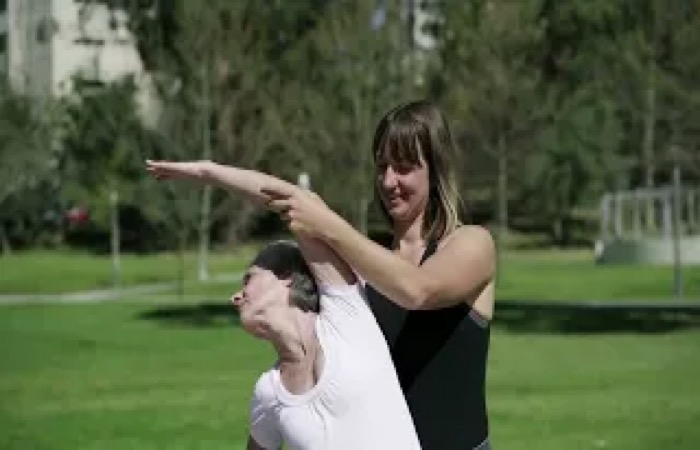
Progressive muscle relaxation is a systematic relaxation technique in which you deliberately tighten and then release specific muscle groups in a sequence. The aim is to heighten your awareness of the difference between tension and relaxation, and to teach your body how to release held pressure. :contentReference[oaicite:0]{index=0}
Edmund Jacobson originally developed the method in the 1920s and 1930s. In therapy and wellness settings, PMR is used to help manage stress, anxiety, insomnia, chronic pain, and other tension-related issues.
—
Why it works: The science behind the muscle-mind link
Here’s how PMR helps, from a physiological and mental health perspective:
- Tensing a muscle group briefly, then releasing it, helps you become aware of the contrast between “tight” and “loose”. That contrast trains your nervous system to recognize and shift out of tension.
- The relaxation response is activated once you begin releasing tension: breathing slows, heart rate drops, blood pressure comes down, and stress hormones are reduced.
- Tension in the body often mirrors psychological stress. By easing held tension, you also support mental ease. Research shows PMR reduces anxiety, depressive symptoms, and chronic stress.
Due to these effects, PMR is frequently employed in clinical settings as well as in self-care routines.
—
Benefits of Practising PMR
Here are key benefits backed by research:
- Reduced anxiety and stress: A systematic review found PMR effective in reducing stress, anxiety, and depression in adults.
- Improved sleep: Many people find it easier to fall asleep and stay asleep after practicing PMR before bed.
- Lower blood pressure and heart rate: Relaxation techniques, including PMR, have physiological benefits.
- Relief from muscle tension and pain: Beneficial for recurring tension in the neck/back, TMJ, or headaches.
- Greater body-awareness and capacity to catch early tension patterns: Over time, you may notice tension “before it becomes full-blown”.
—
Step-by-Step Guide: How to Do Progressive Muscle Relaxation
Follow these steps carefully. You may prefer to do this lying down or seated, whichever works best for you.
- Prepare the space. Choose a quiet spot, turn off distractions (phone, notifications). Wear loose, comfortable clothing. :
- Settle your posture. Lie down on your back with arms at your side, or sit in a chair with your feet flat on the floor. Close your eyes if you like.
- Take a few deep breaths. Inhale slowly through your nose, exhale via your mouth. Let your body begin to soften.
- Could you begin the muscle sequence? You can choose the order (feet → calves → thighs → buttocks → abdomen → hands/arms → shoulders → neck → face) or reverse. The key is to move through all major muscle groups.
- Tense each group. For about 5-10 seconds, gently tighten the muscle group—not to the point of pain or strain—but enough to feel the tension. Breathe in as you pull.
- Release and relax. Exhale and let the muscles go limp. Stay relaxed for about 10-15 seconds, noticing the contrast between the tension and the release.
- Move on. Continue to the next muscle group. If you notice tension elsewhere, you may pause and repeat the tensing/releasing for that area.
- Finish with a full-body scan. After you’ve worked through all groups, spend a minute simply noticing your body: where it might still feel held, where it feels soft, and how your breathing is.
- Sit or lie quietly for a moment. Allow yourself to rest in that relaxed state. When you’re ready, open your eyes and slowly resume your activity.
Tip: If you’re new, sessions may take 15–20 minutes. With practice, a 5–10 minute “quick version” is possible—focus on hands/arms or face/neck.
—
Integrating PMR into Therapy and Daily Life
Here are ways therapists and individuals can integrate PMR:
As part of a counseling session
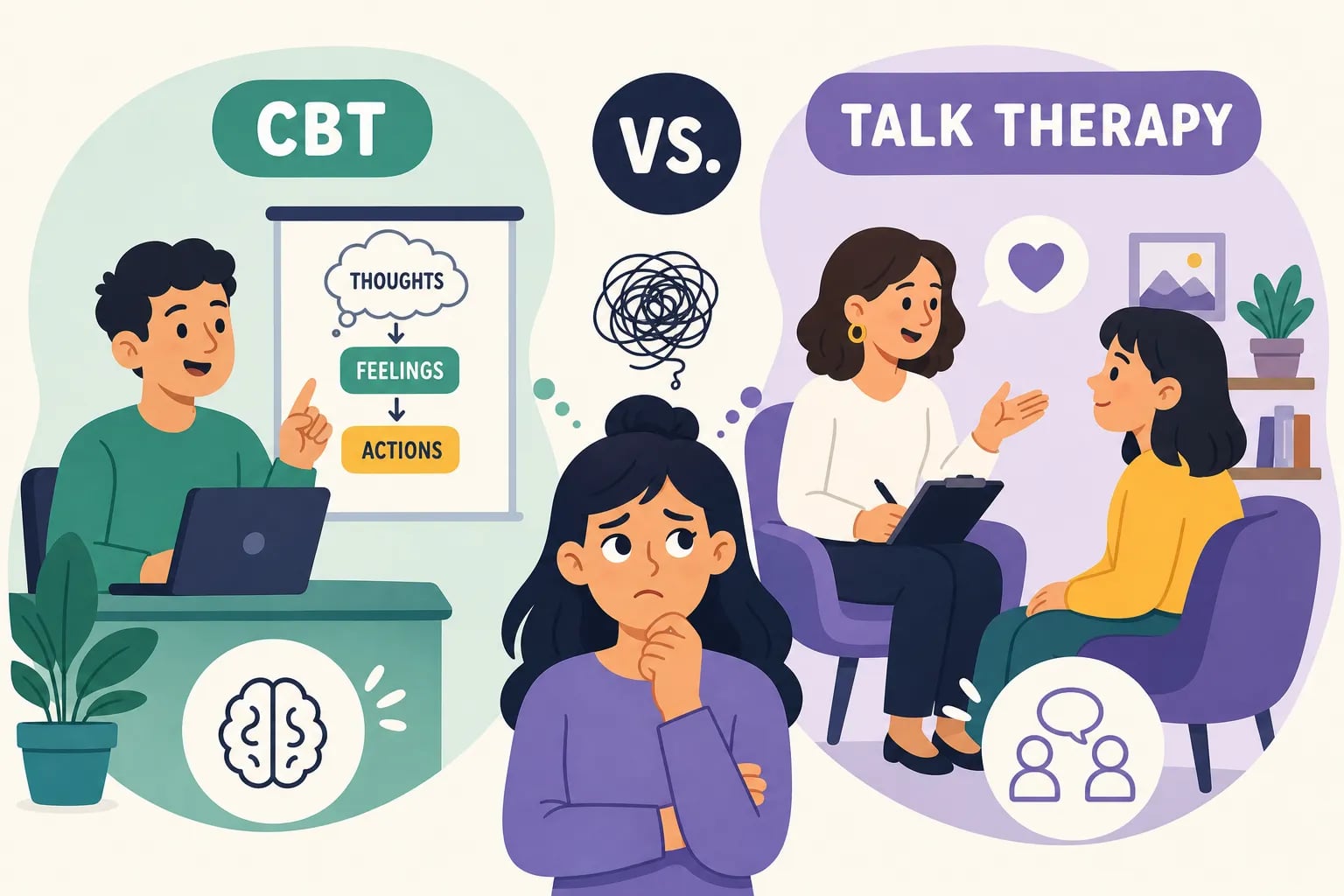
A therapist at River North Counseling Group may guide a client through PMR early in the session to help reduce physical tension and set a foundation for talk-based work. After the exercise, the client may be more grounded and better able to access emotions.
Daily routine and self-care
Clients can practice PMR in the evenings to unwind, or midday when they feel tension building (e.g., after work or before bed). Regular practice helps the body learn the “relaxed state” more easily.
Combine with other techniques
PMR works well with deep breathing, guided imagery, mindfulness meditation or gentle yoga. Numerous studies demonstrate improved outcomes when PMR is employed in conjunction with complementary approaches.
Precautions and adaptations
If a person has an injury, recent surgery, severe muscle pain, or a condition such as chronic spasms, they should proceed gently or skip specific exercises. The goal is comfort, not strain.
—
Local Spotlight – Chicago Office of River North Counseling Group LLC
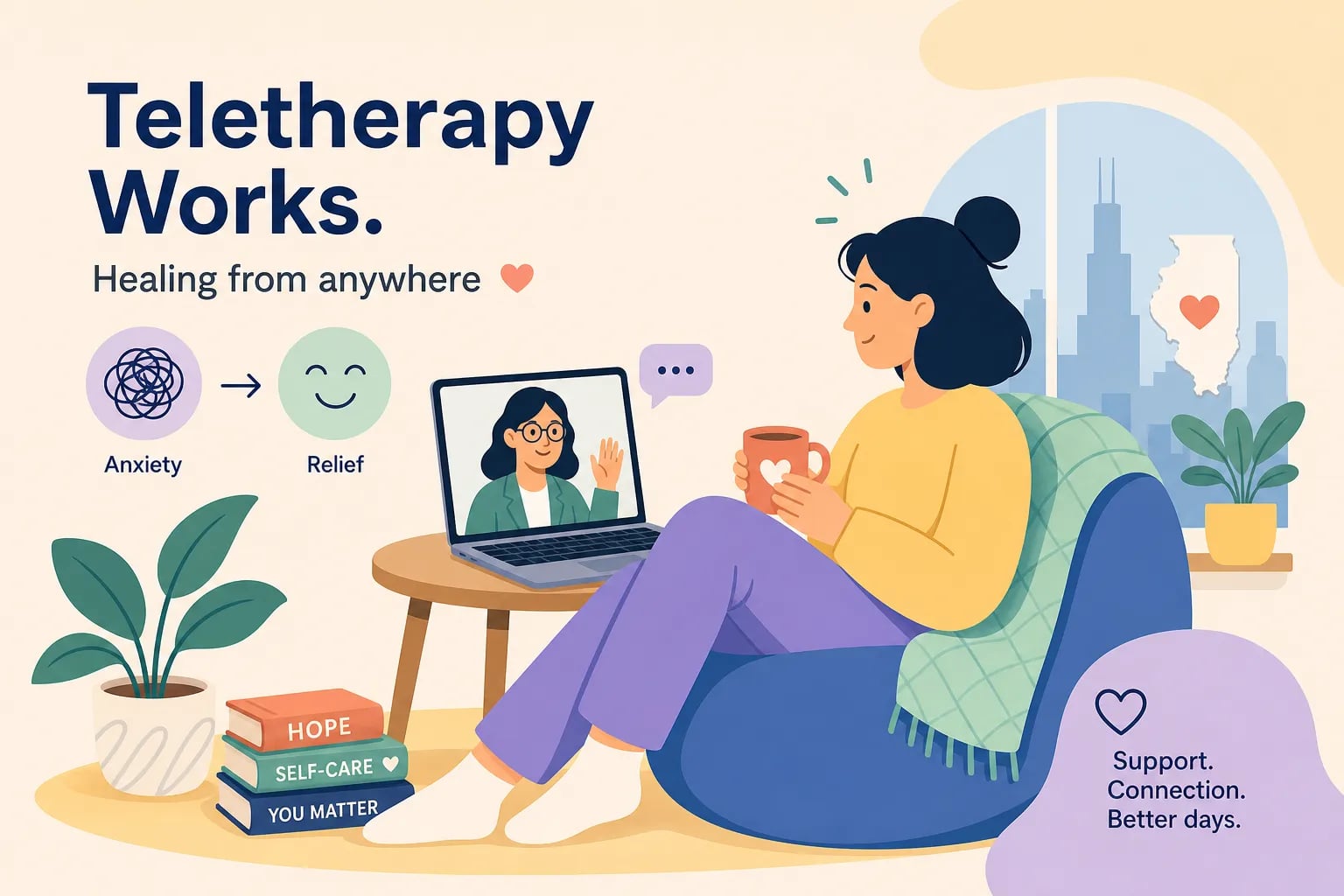
If you’re seeking professional support in Chicago for stress, anxiety, muscle-tension where mind and body meet, our office offers integrative counselling and relaxation skill-building. Reach out to:
River North Counseling Group LLC
Chicago Office:
405 N Wabash Ave
Suite 3209
Chicago, Illinois 60611
Office: 312.467.0000
https://www.rivernorthcounseling.com
—
Common Questions Around Progressive Muscle Relaxation
What if I can’t lie down? Can I do PMR seated or standing?
Yes. PMR can be done seated or even standing if lying down is difficult. The key is to remain safe, comfortable, and free of heavy distractions. The posture doesn’t reduce the benefit as long as the sequence is followed.
How long does it take to see results from PMR?
Some people experience immediate relief from tension or a calmer feeling after just one session. However, research indicates that regular practice—consisting of several sessions per week—yields more sustained reductions in anxiety, stress, and muscle tension over time.
Can anyone do progressive muscle relaxation?
Generally yes. It’s safe, low-cost, and non-invasive. However, if you have injuries, muscle disorders, recent surgery, or severe musculoskeletal issues, consult your doctor or physical therapist before engaging in intense tensing.
Is PMR a substitute for therapy or medication?
No. PMR is a tool—not a replacement for therapy or medical treatment when needed. It works best as part of a broader wellness or therapeutic plan, especially when someone has been diagnosed with anxiety, depression, or chronic pain.
How often should I practise PMR?
Daily practice is ideal, but even two to three times per week provides benefits. The aim is consistency rather than perfection. You might start with 10–20 minutes, then reduce to a 5-minute version once you’re familiar.
—
Progressive muscle relaxation, PMR, relaxation technique, stress relief, anxiety management, sleep improvement, muscle tension, guided relaxation, counseling skills.
Progressive Muscle Relaxation: Step-by-Step Guide, How to Do PMR, Benefits of PMR, Muscle Tension Relief, Anxiety and PMR, PMR for Sleep, Counseling Tools: Progressive Muscle Relaxation and Mind-Body Relaxation Technique.
—
Additional Resources
For authoritative guidance and further reading:
- Cleveland Clinic – Benefits of Progressive Muscle Relaxation
- PMC – Efficacy of Progressive Muscle Relaxation in Adults for Stress, Anxiety and Depression
- Mayo Clinic – Relaxation techniques: Try these steps to lower stress
Expand Your Knowledge
If you’d like to dive deeper into complementary methods and related topics: