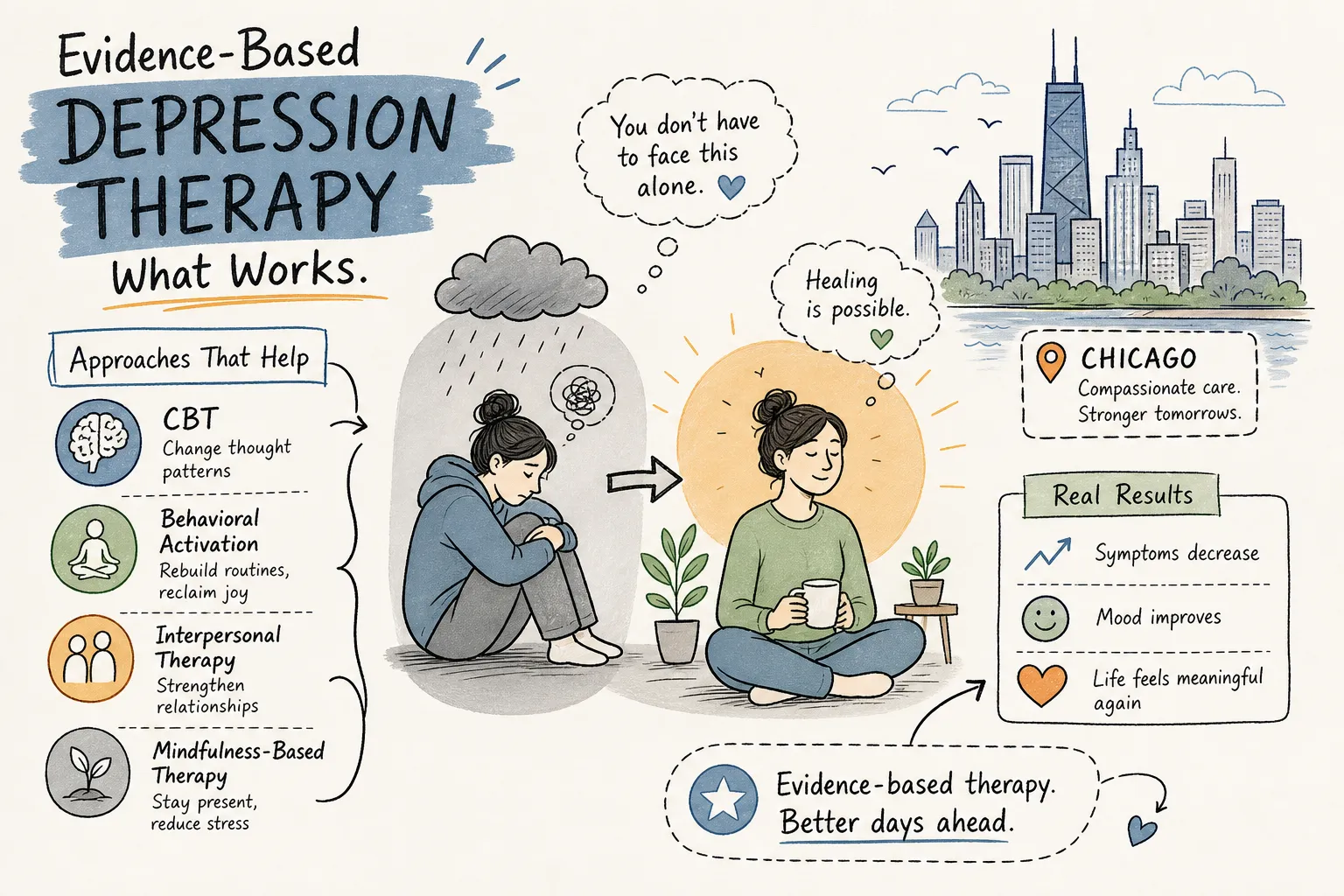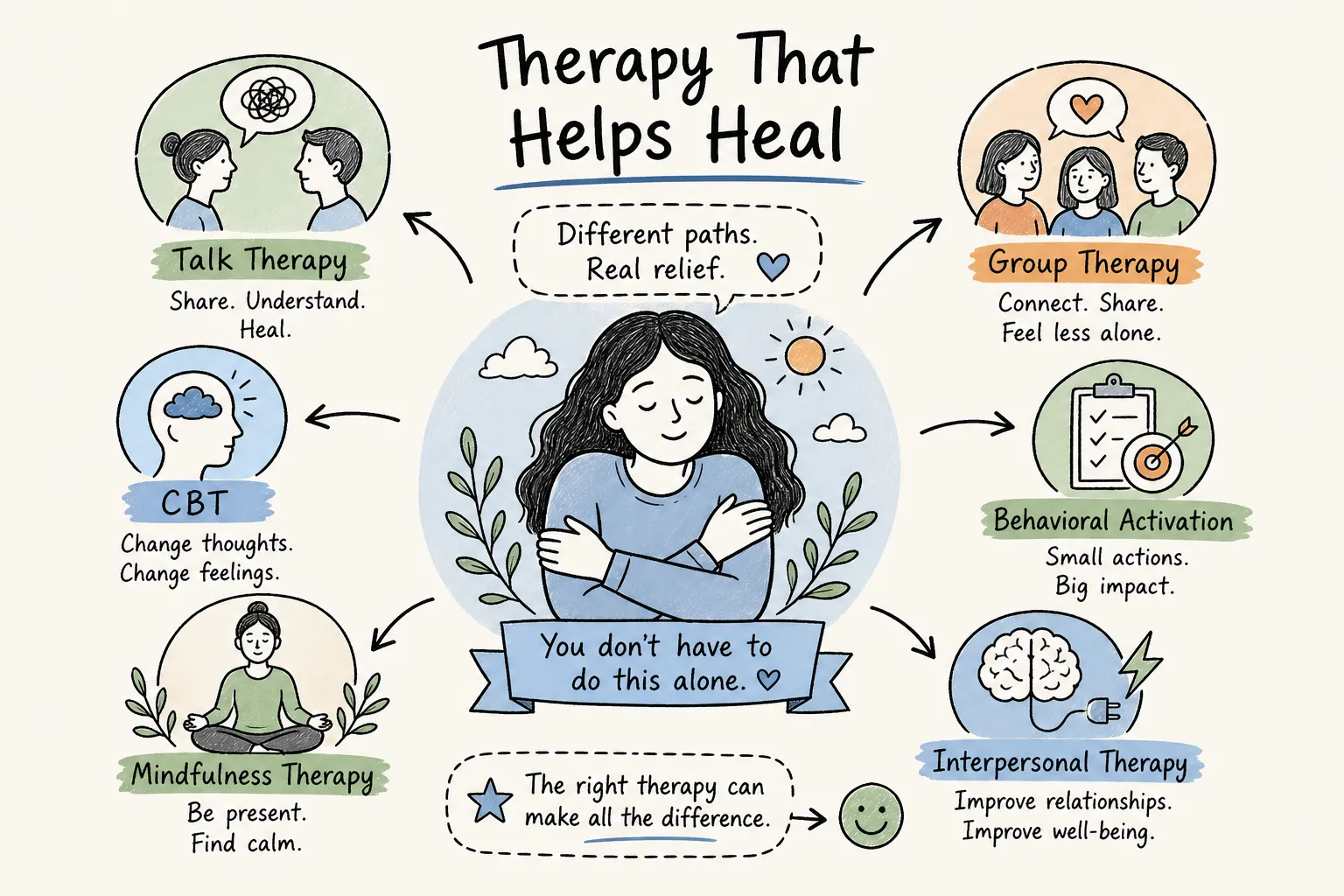


Maintaining good mental health is a vital aspect of overall well-being. Yet, many people overlook mental health self-care in the hustle of everyday life. With work responsibilities, family commitments, and a long list of errands, self-care often feels like a luxury rather than a necessity. However, prioritizing your mental health can lead to better relationships, improved productivity, and greater fulfillment. Below are practical self-care tips you can incorporate into your daily routine to nurture your mental health.
1. Practice Mindfulness and Meditation
Mindfulness involves being present in the moment without judgment. It helps reduce Stress, improve focus, and increase emotional regulation. Start with five minutes daily by sitting quietly, focusing on your breath, and letting go of distracting thoughts. Apps like Headspace or Calm can guide beginners through mindfulness exercises.
Try mindful activities like coloring, journaling, or washing dishes if meditation feels daunting. The key is to immerse yourself in the task, noticing every detail fully.
2. Establish a Morning Routine
How you start your day can set the tone for everything that follows. A structured morning routine with healthy habits can provide stability and reduce Stress. Try incorporating:
A few minutes of stretching to release tension.
A balanced breakfast to fuel your body and mind.
Positive affirmations or a gratitude practice to cultivate a positive mindset.
This intentional morning approach can create a sense of control and readiness to face the day.
3. Maintain a Balanced Diet
What you eat directly impacts how you feel. Incorporating a variety of fruits, vegetables, whole grains, and lean proteins can enhance mood and energy levels. Omega-3 fatty acids, found in fish, walnuts, and flaxseeds, are particularly beneficial for brain health.
Avoid skipping meals and try to limit processed foods and excess sugar, which can lead to energy crashes and mood swings. Staying hydrated by drinking plenty of water throughout the day is also crucial.
4. Move Your Body Daily
Regular physical activity is one of the most effective ways to reduce Stress and boost mental well-being. Exercise releases endorphins, which act as natural mood elevators. Whether it’s a brisk walk, yoga, dancing, or a workout at the gym, find an activity you enjoy and aim for at least 30 minutes a day.
If finding time is challenging, break it into smaller sessions. Even a 10-minute walk during lunch can make a difference.
5. Prioritize Sleep
Sleep is the foundation of good mental health. Poor Sleep can exacerbate anxiety, depression, and irritability. To ensure quality rest:
Stick to a consistent sleep schedule, even on weekends.
Create a relaxing bedtime routine, such as reading, warm bath, or calming music.
Limit screen time before bed, as the blue light from devices can disrupt your sleep cycle.
If sleep issues persist, consider seeking guidance from a healthcare professional.
6. Set Healthy Boundaries
Boundaries protect your mental health by allowing you to say no to things that drain your energy or cause undue Stress. Communicate your needs clearly and assertively at work, with family, or in social situations.
For example, if you feel overwhelmed by extra work tasks, let your supervisor know what is manageable. Establishing boundaries helps prevent burnout and creates room for activities that nourish your well-being.
7. Foster Social Connections
Humans are social beings, and meaningful connections are essential for mental health. Spend time with friends, family, or coworkers who make you feel valued and supported. Consider a phone call or video chat if your schedule doesn’t allow in-person meetups.
For those who struggle with loneliness, joining a local club, class, or volunteer group can help you meet like-minded people. Therapy groups can also provide a safe space to share experiences and gain support.
8. Unplug from Technology
While technology has its benefits, constant exposure to social media and news can contribute to feelings of anxiety, comparison, and overwhelm. Schedule regular tech-free periods to recharge your mind. Use this time to engage in offline activities like reading, spending time in nature, or practicing a hobby.
Try setting boundaries around technology use, such as no screens during meals or keeping devices out of the bedroom.
9. Learn to Manage Stress
Life inevitably comes with Stress, but how you handle it can make a significant difference in your mental health. Develop stress-management techniques that work for you, such as:
Deep breathing exercises to calm the nervous system.
Journaling to process emotions and gain perspective.
Time management to avoid feeling overwhelmed by tasks.
Consider therapy if Stress becomes chronic or unmanageable. A counselor can provide tools to address underlying issues and build resilience.
10. Engage in Hobbies and Creative Outlets
Hobbies provide a break from routine and a chance to experience joy and fulfillment. Whether painting, gardening, cooking, or playing music, engaging in a creative activity can boost mood and reduce Stress.
Don’t worry about being “good” at your hobby—what matters is that it satisfies you and allows you to express yourself.
11. Celebrate Small Wins
In a culture that often focuses on significant achievements, it’s easy to overlook the small victories. Celebrate daily accomplishments, no matter how minor they may seem. Did you drink enough water today? Did you finish a work task? Did you take a walk? Acknowledge these moments as progress.
Keeping a journal of small wins can help you stay motivated and cultivate a positive outlook.
12. Seek Professional Help When Needed
Sometimes, self-care alone isn’t enough. If you’re experiencing persistent sadness, anxiety, or difficulty functioning in daily life, don’t hesitate to seek help from a mental health professional. Therapy provides a safe space to explore feelings and develop coping strategies tailored to your needs.
13. Practice Gratitude
Gratitude has been shown to improve mental health by shifting focus from what’s lacking to what’s abundant. Start or end your day by listing three things you’re grateful for. These can be as simple as a good cup of coffee, a kind gesture, or a moment of laughter.
Over time, gratitude practices can rewire your brain to notice more positives in life.
14. Limit Exposure to Negativity
Whether it’s toxic relationships, excessive news consumption, or negative self-talk, minimizing exposure to negativity can significantly enhance mental well-being. Be mindful of what you allow into your environment and take steps to protect your energy.
Surround yourself with positivity, uplifting content, and supportive people.
Final Thoughts
Caring for your mental health is a lifelong journey that requires daily effort and intention. Incorporating these self-care tips into your routine can build resilience, enhance emotional well-being, and create a more fulfilling life. Remember, seeking support is a sign of strength, not weakness. If you seek professional guidance, our counseling agency is here to help you navigate life’s challenges. Contact us today to take the first step toward a healthier, happier you.
For counseling services, contact https://www.rivernorthcounseling.com or call now.+13124670000