
The goal is not to ignore disrespect or give away authority. The goal is to respond in a way that keeps the adult regulated, sets a firm boundary, and avoids feeding the conflict. Children learn more from calm consistency than from longer lectures delivered in a louder voice.
Why backtalk turns into a power struggle
Defiance often looks deliberate from the outside, but the behavior may have several layers underneath it. Some children have weak frustration tolerance. Some are testing limits. Some are protecting pride after embarrassment. Others are dealing with anxiety, attention problems, sensory stress, learning struggles, or a day that already felt impossible.
When adults respond with repeated commands, threats, sarcasm, or public correction, the child may shift from the original task into self-protection mode. At that point, the argument becomes the event. A child who feels cornered is more likely to get louder rather than more cooperative. That does not excuse rude behavior. It explains why strong reactions often make it worse.
What fuels escalation most often
Escalation usually grows from three things: too many words, too much emotion, and too little structure. A parent may repeat the same request five times, debate every protest, or raise the stakes before the child has had a chance to recover. Children may also learn that arguing buys time, shifts attention, or creates an opening to negotiate after the limit has already been set.
A calmer strategy works better because it removes extra fuel. One clear direction, one clear consequence, and a neutral tone leave less room for the conflict to expand.
How to respond without escalation
Start with regulation, not rebuttal.
The first task is not correcting attitude. It is getting the adult nervous system under control. A short pause, slower breathing, and a quieter tone can stop an automatic reaction. This matters because children borrow the emotional tone in the room. When the adult becomes more intense, the child often follows.
A useful rule is simple: say less, lower the volume, and slow the pace. Instead of answering every disrespectful comment, return to the direction. “It is time to get shoes on.” “Homework starts now.” “The phone is put away for the night.” Brief language prevents the back-and-forth from becoming a debate.
Separate disrespect from the task
If the child says, “You can’t make me,” it is tempting to address the tone first. At many points, it is more effective to return to the task. “You do not have to like it. It still needs to happen.” That response avoids a side battle. The rude comment can be addressed later, once everyone is calmer.
This does not mean disrespect is ignored forever. It means the adult chooses the right timing. Teaching works better after the storm than in the middle of it.
Use clear choices with clear limits.
Choices can lower resistance when they are real and limited. “Homework at the table or desk.” “Shower before dinner or right after dinner.” “Put the game away now or lose it for the evening.” Good choices give the child a sense of control without moving the boundary.
What does not work is opening a negotiation that never ends. If the limit is optional, most children will keep testing it. Calm follow-through teaches more than repeated warnings.
Match the consequence to the behavior.r
Consequences work best when they are immediate, predictable, and connected to the behavior. If a child argues about screen limits and refuses to turn off the device, the device may be unavailable for the rest of the day. If a child yells and slams a door, the focus may shift to cooling down, repairing damage, and restoring respectful communication before privileges return.
Long punishments often backfire. So do consequences delivered in anger. A measured response is easier to repeat and easier for the child to understand.
What to say in the moment
Parents often ask for exact words because the hard part is staying steady under pressure. Scripts can help.
Try responses like these:
“That sounds like frustration. The answer is still no.”
“This is not a conversation to have while voices are high.”
“You may try again with a respectful tone.”
“You can be upset and still follow the rule.”
“The direction stands. We can talk after it is done.”
These statements work because they are brief, calm, and final. They do not invite a courtroom argument. They also teach an important skill: feelings are allowed, disrespect is not.
What to avoid
Some responses almost always increase conflict. Mocking a child’s tone, bringing up old mistakes, threatening extreme punishments, cornering them in front of siblings, or matching sarcasm with sarcasm usually deepens the standoff. So does asking too many “why” questions during the peak of an argument. When children are flooded, reasoning drops and defensiveness rises.
Adults do not have to win the exchange sentence by sentence. The win is keeping the boundary and preserving enough calm to follow through.
Did You Know? Chicago families often face pressure from every side
In a busy area like River North, daily life can move fast. Long workdays, school transitions, traffic, overscheduled afternoons, and constant device use can leave families with very little margin by evening. That is often when backtalk spikes. The child is tired. The adult is tired. Everyone wants relief right away.
Local families may notice that the trouble is less about one “bad attitude” and more about patterns: rushed mornings, conflict around homework, friction during bedtime, or fights over screens after a full day. When the same conflict appears in the same time slot, structure matters more than extra intensity. Predictable routines, visual reminders, and fewer last-minute demands can cut down on battles before they start.
For Chicago parents who live in small spaces or busy buildings, privacy can also shape how conflict feels. A loud argument may feel more urgent when neighbors can hear it. That pressure can push adults to react faster and harsher. A practiced calm response is often the better answer.
When backtalk may signal a deeper concern
Not every defiant child has a mental health condition. At the same time, persistent hostile, argumentative, and uncooperative behavior can indicate a larger issue that warrants attention. The CDC notes that behavior or conduct problems become more concerning when they are uncommon for a child’s age, persist over time, or are severe enough to disrupt daily life. :contentReference[oaicite:1]{index=1}
The American Academy of Child and Adolescent Psychiatry explains that some oppositional behavior is normal at certain stages, while more frequent and impairing patterns may need evaluation and treatment. :contentReference[oaicite:2]{index=2}
Parents may want professional support when backtalk comes with aggression, school refusal, intense anger, frequent blame of others, sleep problems, major family stress, or conflict across many settings. A careful assessment can help sort out whether the main issue is developmental, relational, behavioral, or connected to concerns such as ADHD, anxiety, depression, trauma, or a disruptive behavior disorder.
Early support can matter. Treatment tends to work best when it fits the child and family and when the adults around the child respond consistently. :contentReference[oaicite:3]{index=3}
Common Questions Around Backtalk and Defiance
Is backtalk normal, or is it a sign of something serious?
Some backtalk can be part of normal child and teen development, especially during periods of growing independence. It becomes more concerning when it is intense, frequent, long-lasting, or causes clear problems at home, school, or with peers.
Should a child be punished for every rude comment?
No. Every rude remark does not need a separate consequence. Many moments are handled better with a brief limit, redirection to the task, and follow-up later. The key is consistency, not punishment for every word.
What if staying calm feels impossible?
That usually means the family needs a stronger plan before the next conflict starts. Short scripts, consistent routines, fewer repeated warnings, and agreed consequences can reduce the pressure in the moment. Parents may also benefit from support focused on co-regulation and behavior strategies.
Does rewarding choices for bad behavior?
No, as long as the choices are limited and the boundary stays in place. Choices can reduce resistance because they offer a small sense of control without removing the expectation.
When should counseling be considered?
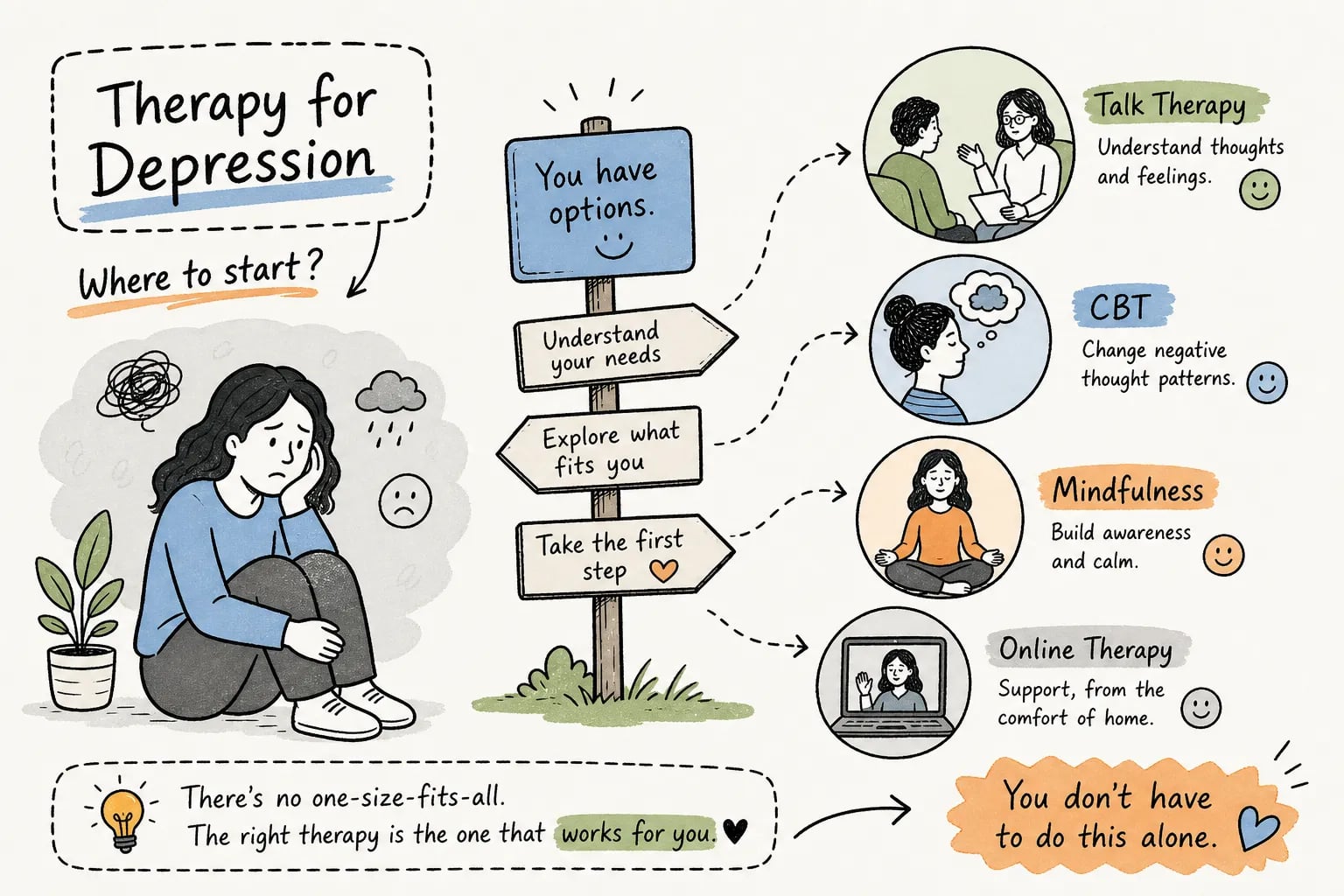
Counseling can help when conflict is frequent, the child’s behavior affects school or family life, parents feel stuck in a constant escalation, or there is an underlying emotional, behavioral, or developmental concern.
Support for families in Chicago
Families do not have to wait until conflict becomes constant. When backtalk and defiance keep pulling the household into daily battles, structured counseling can help identify patterns, reduce triggers, and build better ways to respond. Parent guidance, child therapy, and family-based strategies can all play a role, depending on the situation.
River North Counseling Group LLC
405 North Wabash Avenue
Suite 3209
Chicago, Illinois
60611
Office: 312.467.0000
https://www.rivernorthcounseling.com
Backtalk and defiance, child behavior counseling Chicago, parenting strategies, oppositional behavior, family therapy, emotional regulation, respectful communication, behavior support
Related Terms
- oppositional behavior
- emotional regulation
- parent coaching
- child counseling
- family conflict resolution
Additional Resources
AACAP – Children With Oppositional Defiant Disorder
CDC – Behavior or Conduct Problems in Children
CDC – Tips for Using Discipline and Consequences
Expand Your Knowledge
CDC – Positive Parenting Tips
Schema.org – Article
Schema.org – MedicalBusiness