
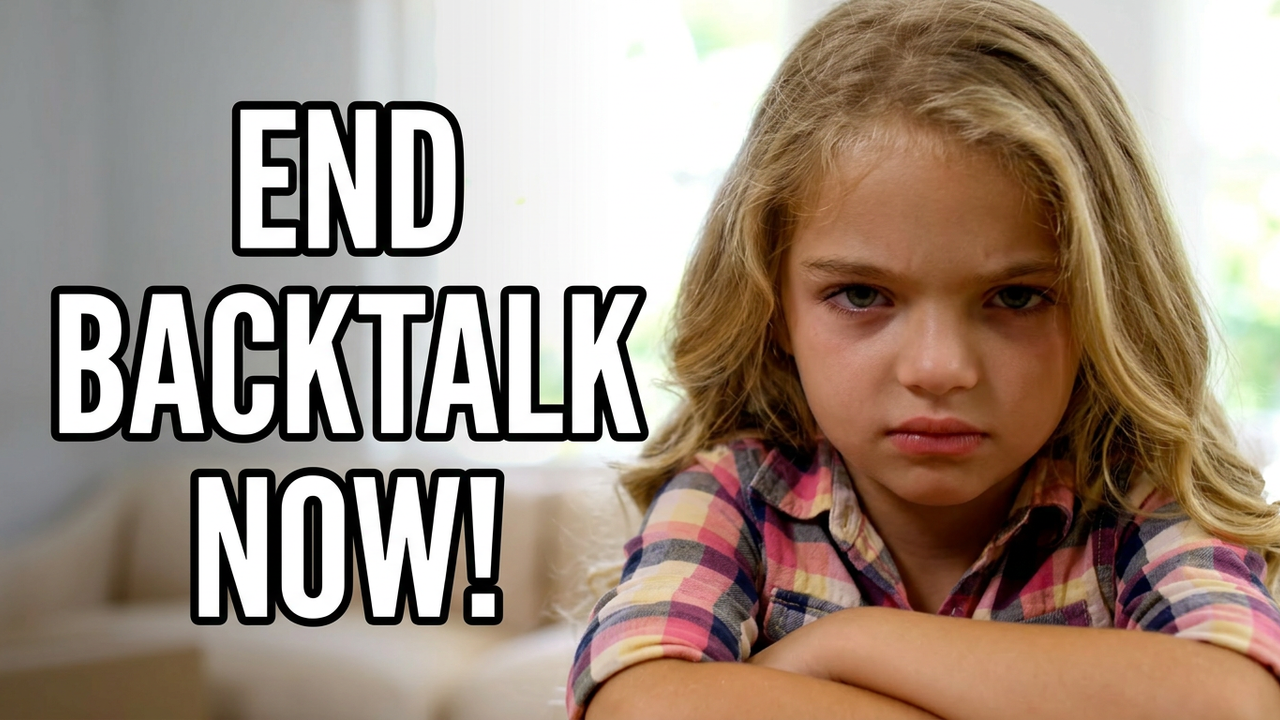
Backtalk and defiance can leave parents feeling cornered, angry, or helpless. The goal is not to win a verbal battle. The goal is to stay steady, set a clear limit, and guide a child back toward regulation and respect. A calm response does not mean permissiveness. It means choosing actions that lower conflict, protect connection, and teach better skills over time.
Backtalk often sounds personal. It may come out as sarcasm, eye-rolling, arguing, yelling, or a flat refusal to cooperate. In the moment, it can feel like a direct challenge to authority. Still, the behavior is often less about power than it is about stress, poor impulse control, frustration, or lagging coping skills. Children sometimes argue or act defiantly, but when disruptive behavior is unusual for a child’s age, lasts over time, or becomes severe, it may be a sign that more support is needed.
That is why escalation usually makes things worse. A raised voice, a long lecture, or a threat delivered in anger may stop the behavior for a minute, but it rarely builds self-control. Calm, direct responses are more likely to help a child feel safe enough to reset. The American Academy of Pediatrics encourages positive discipline strategies that teach behavior while supporting healthy development, and the CDC notes that early, family-centered support tends to work best when behavior concerns are persistent.
Why backtalk grows when emotions run high
Defiance tends to rise when a child feels overloaded, embarrassed, rushed, hungry, tired, or powerless. A child who cannot name those feelings may show them through attitude. That does not excuse disrespect. It does explain why logic alone often fails in the heat of the moment. During stress, children and teens may have a harder time shifting gears, accepting limits, and using flexible thinking. Changes in routine, school stress, family conflict, social pressure, and hidden anxiety can all show up as oppositional behavior.
What escalates conflict fast
Power struggles usually follow a familiar pattern. The child pushes. The adult reacts. The child pushes harder. Then both sides get louder, more rigid, and less reasonable. Public correction, sarcasm, repeated warnings, and arguing about every detail often add fuel to the fire. So do consequences that are vague, delayed, or impossible to enforce. When the adult becomes dysregulated, the child often does too.
What helps instead
A useful response is short, calm, and predictable. Name the limit once. Offer one clear next step. Then follow through without a debate. This approach reduces stimulation and makes it easier for a child to understand what happens next. It also teaches that big emotions can exist without controlling the entire interaction.
How to respond without escalating
Start with regulation, not a lecture. If a child is yelling, slamming, or refusing, keep the response brief. A calm tone matters more than a perfect script. “That was disrespectful. Try again.” “The answer is still no.” “When the voice is calm, this can be discussed.” “Homework comes before screens.” These statements do not invite a courtroom argument. They anchor the moment.
Next, separate the feeling from the behavior. A child can be angry without being allowed to insult, threaten, or break rules. This is where many parents get stuck. They worry that a calm tone signals that the behavior is acceptable. In reality, calm limit-setting usually sends a stronger message because it is steady. It says the boundary is real and does not depend on who can yell the loudest.
Consequences also work better when they are connected to the behavior and occur without drama. If a child misuses a phone during an argument, the phone may be paused. If a teen refuses to leave for school after repeated prompts, the response may involve a school attendance plan and a structured morning routine. The point is not punishment for its own sake. The point is accountability paired with emotional control.
Use fewer words
Children in a reactive state do not process long explanations well. A short direction is easier to hear and harder to argue with. That does not mean being cold. It means being clear. Save deeper conversations for later, when everyone is calmer.
Repair after the conflict
Once the moment has passed, revisit it. Ask what the child was feeling, what made the situation harder, and what could be done differently next time. This is where skills are built. The CDC notes that treatment and support for behavior problems work best when they fit the needs of the child and family, and that a comprehensive mental health evaluation often considers home, school, development, stressors, and prior patterns. :contentReference[oaicite:3]{index=3}
Discipline that teaches instead of shames
Effective discipline is not soft. It is structured. It teaches what respectful behavior sounds like, what happens when limits are crossed, and how to recover after mistakes. Healthy discipline strategies often include praise for small wins, consistent routines, clear expectations, and immediate, realistic consequences. Parent-focused behavior support can be especially helpful for younger children because adults shape the environment in which behavior occurs. :contentReference[oaicite:4]{index=4}
Shame tends to backfire. When a child feels humiliated, the result may be more arguing, hiding, lying, or shutting down. A better path is firm accountability with dignity. The message becomes: “That behavior is not okay, and there is a way back from it.” This reduces fear and increases the chance that a child can practice a better response next time.
Did You Know? Chicago family stress can raise the temperature at home.
Busy city schedules, long commutes, academic pressure, packed after-school calendars, and limited downtime can make conflict flare faster. In neighborhoods near downtown Chicago, families often juggle dense workdays with school demands and little room for recovery. When a child already struggles with transitions or frustration tolerance, that pace clead toalk more frequebacktalk nt at home. Building in a calmer after-school routine, a snack, movement, and a predictable evening rhythm can lower conflict before it starts.
When backtalk may point to something more
Not every rude comment signals a mental health condition. Still, patterns matter. It may be time to look deeper when defiance is frequent, intense, age-inappropriate, or affecting school, friendships, and family functioning. Behavior problems can overlap with anxiety, ADHD, trauma, learning challenges, depression, or disruptive behavior disorders. The NIMH and CDC both note that evaluation can help clarify what is driving the behavior and which supports are most likely to help.
Watch for red flags such as daily explosive arguments, aggression, school refusal, frequent suspensions, property destruction, sleep disruption, or a child who seems stuck in anger most of the time. Persistent irritability can also show up in some mood-related conditions, and caregivers may need suppoin rt learnito distinguishhis typical defianfromsus a sign of a larger concern.
What therapy can target
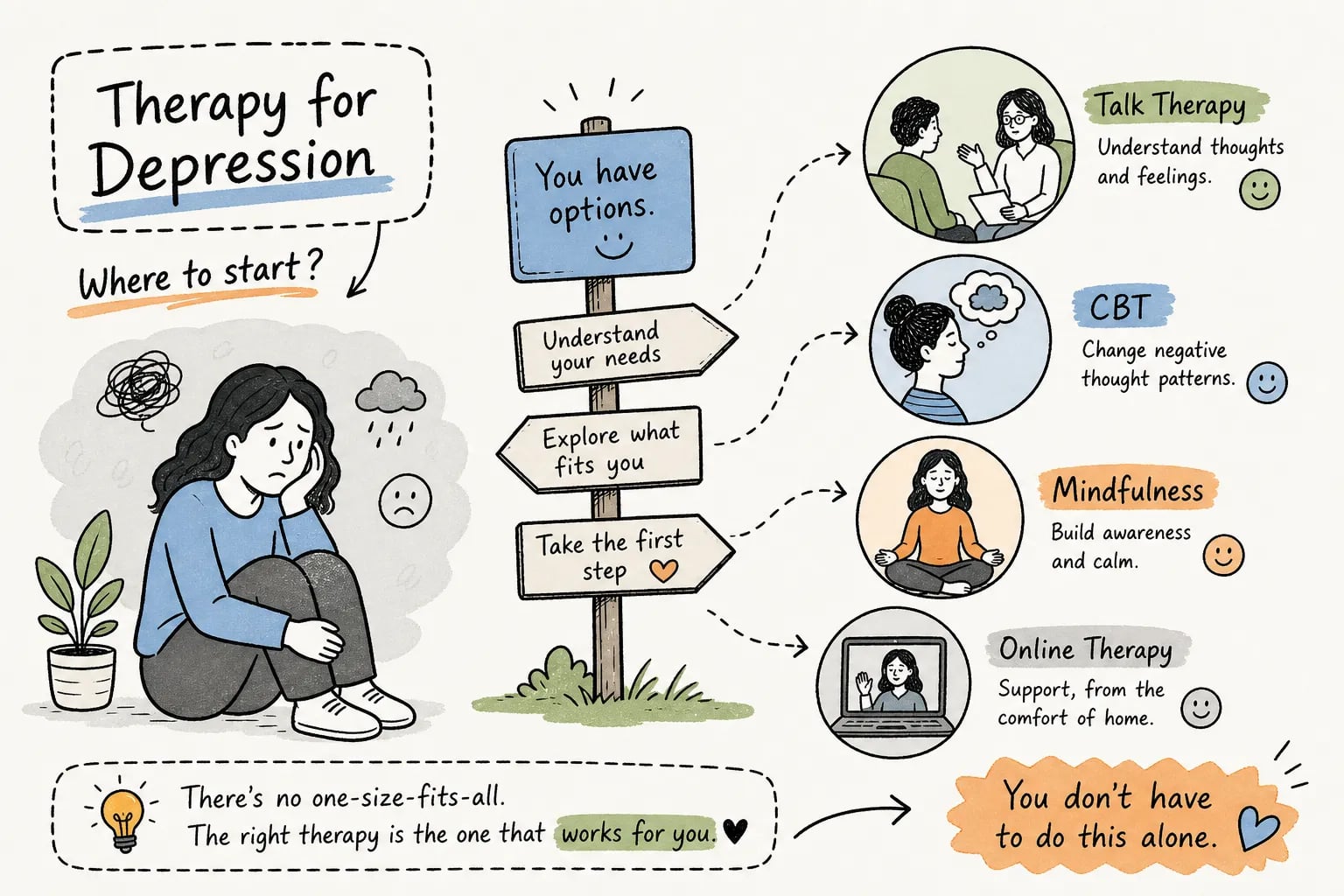
Counseling can help children and teens build emotional awareness, frustration tolerance, and more flexible responses. Parent support can help caregivers practice calm boundaries, reduce reactive cycles, and respond more consistently across home routines. For some families, the most important shift is not a perfect script. It is a more stable pattern.
Common Questions Around Backtalk and Defiance
Is backtalk normal for kids and teens?
Some arguing and pushback can be normal, especially during times of growth, stress, or increasing independence. Concern grows when the behavior is severe, frequent, or clearly outside what is typical for the child’s age and situatioCoulduld a parent argue back to make a point?
Usually no. Arguing often turns a limit into a contest. A short, calm statement plus follow-through tends to work better than trying to outtalk a dysregulated child.
What is the best consequence for disrespect?
The most useful consequence is one that is clear, connected, and enforceable. It should happen without threats, humiliation, or a long emotional showdown.
How can a parent stay calm when a child is rude?
Pause before responding. Lower the voice. Use one sentence. Step away if needed. The adult nervous system often sets the room temperature.
When should professional help be considered?
Consider help when defiance is persistent, intense, affects school or relationships, or comes with aggression, major mood changes, or ongoing family distress. Early support can improve outcomes. :contentReference[oaicite:8]{index=8}
Relevant keywords: backtalk and defiance, how to respond without escalation, child defiance help, respectful communication at home, parenting support for oppositional behavior, calm discipline strategies, family counseling in Chicago
Tags: child behavior, parenting support, family therapy, emotional regulation, counseling, Chicago
Related Terms:
- emotional regulation
- positive discipline
- oppositional behavior
- parent coaching
- family counseling
Additional Resources:
American Academy of Pediatrics: Healthy discipline strategies for children
CDC: Behavior or conduct problems in children
National Institute of Mental Health: Children and mental health
Expand Your Knowledge:
CDC: Parent training in behavior management
NIMH: Child and adolescent mental health
HealthyChildren.org: Disruptive behavior disorders
Support for families in Chicago
When backtalk and defiance become the main pattern at home, outside support can help families step out of the same painful loop. Counseling can create space to understand what is underneath the behavior, improve communication, and strengthen daily routines that reduce blowups. For children, teens, and caregivers, the goal is often the same: less chaos, more clarity, and a steadier path forward.
River North Counseling Group LLC
405 North Wabash Avenue
Suite 3209
Chicago, Illinois
60611
Office: 312.467.0000
https://www.rivernorthcounseling.com