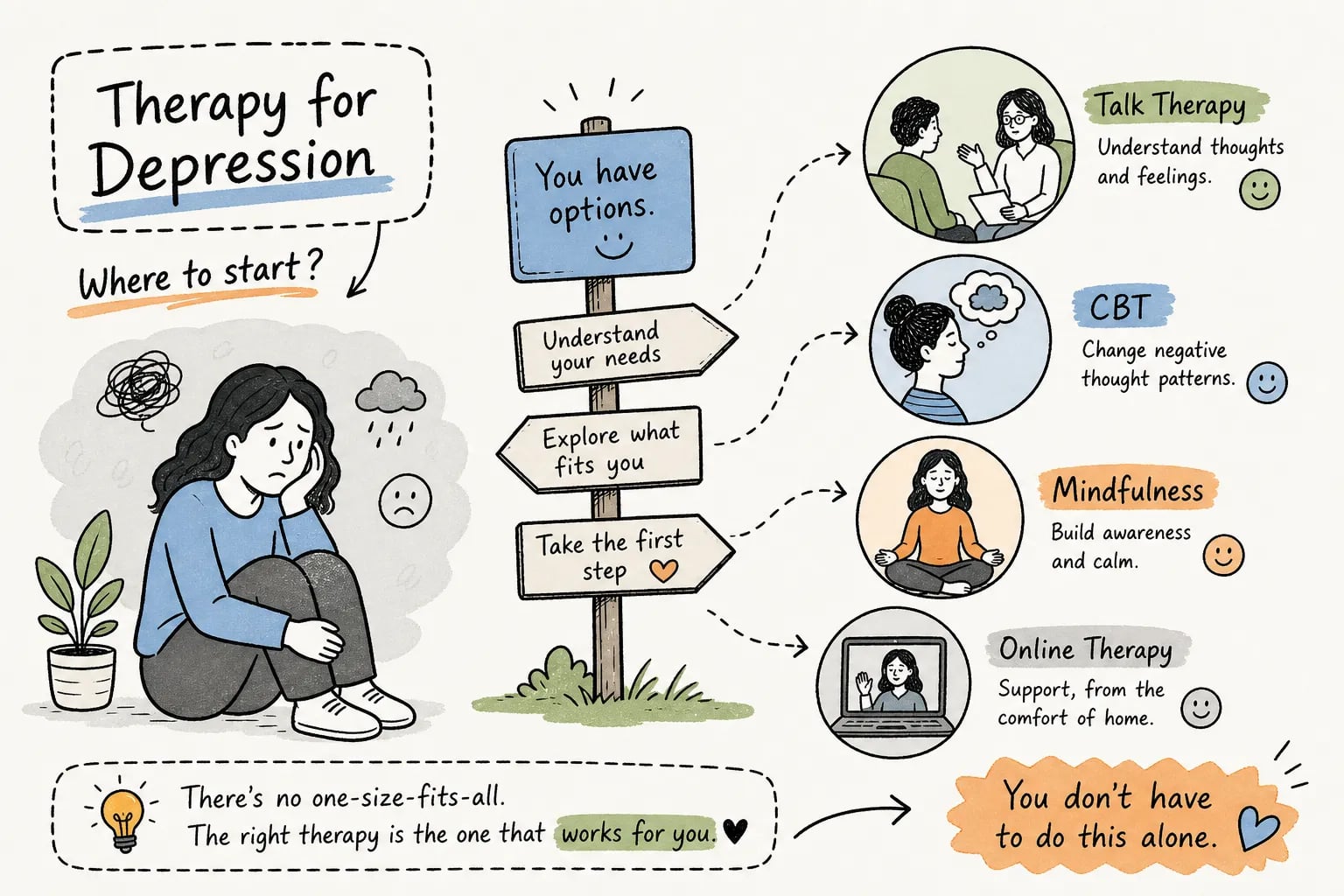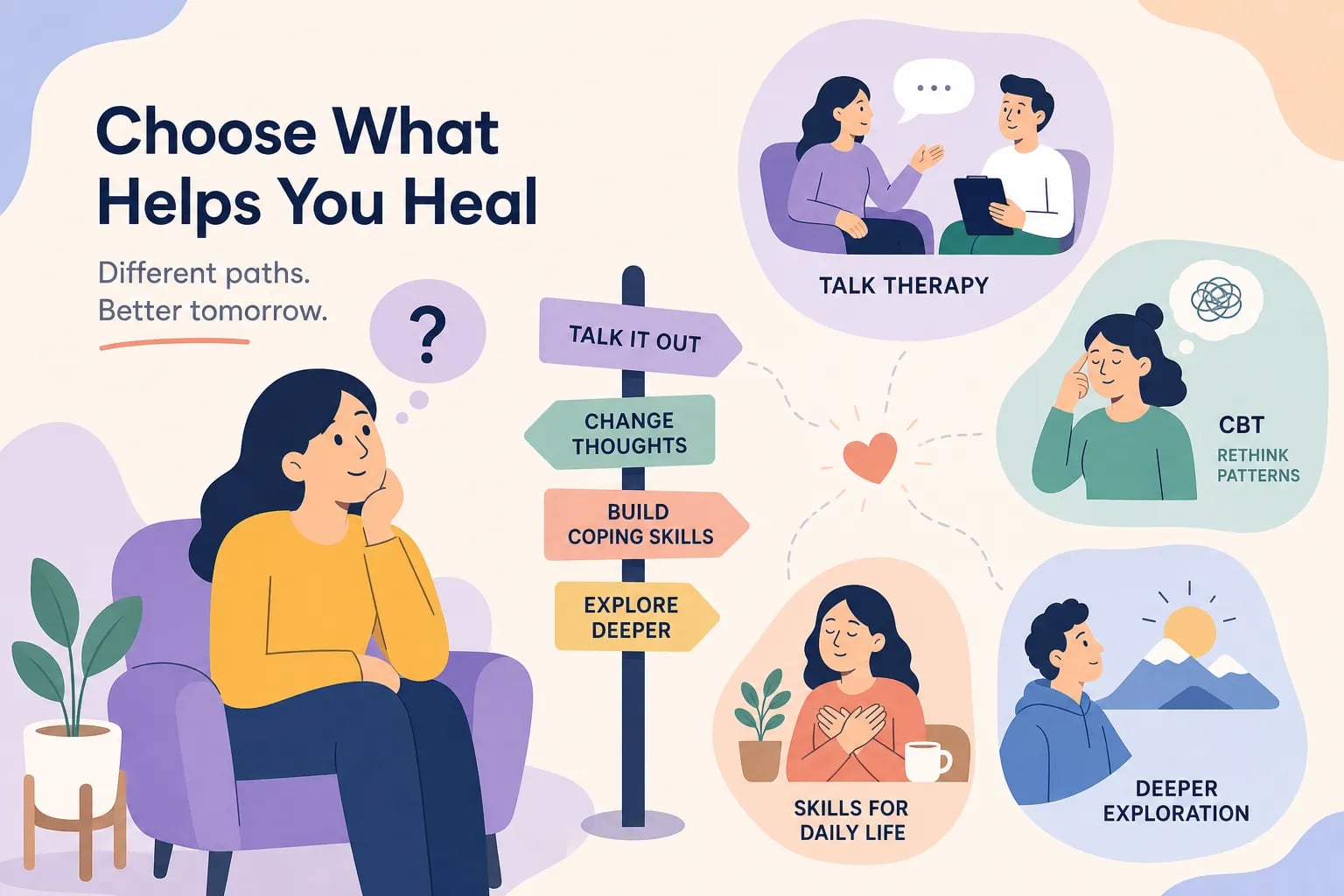


Memory lapses, trouble concentrating, mental fog, and slowed thinking can come from many causes. Stress, anxiety, depression, sleep loss, ADHD, medication effects, medical conditions, and age-related cognitive changes can all affect how the brain works day to day. The key question is not whether a person ever forgets things. The better question is whether those changes are starting to disrupt work, school, relationships, safety, or basic routines. When that happens, structured testing may help clarify what is going on and what kind of support makes sense next.
Relevant words: memory testing Chicago, focus problems Chicago, neuropsychological assessment Chicago, ADHD testing adults Chicago, cognitive evaluation Chicago, forgetfulness and aging, attention concerns, concentration problems, executive functioning, mental fog, psychological assessment, therapy Chicago.
Memory Concerns, Focus Problems, Neuropsychological Testing, ADHD Assessment, Cognitive Health
Many people in Chicago dismiss memory and focus concerns for months or even years. A missed appointment, a forgotten password, a drifting mind during meetings, or trouble finishing routine tasks can seem like part of a busy life. In a city where workdays run long, commutes take energy, and stress can stack up quickly, it is easy to assume that poor concentration is only a lifestyle problem. Sometimes that is true. Sometimes it is not.
Testing is worth considering when the pattern is persistent, noticeable, and beginning to affect daily functioning. That may look different from person to person. For one adult, it may be repeated mistakes at work or trouble managing deadlines. For another, it may be a concern about word-finding, getting lost in familiar areas, or difficulty keeping track of medications and bills. For a college student or professional, long-standing attention problems may now feel impossible to manage without help. Clinical assessment can help separate temporary strain from a problem that deserves more targeted care.
Why memory and focus problems are not all the same
Memory and attention are broad brain functions, not single skills. A person can have trouble with short-term recall, sustained attention, multitasking, language retrieval, planning, or mental speed. Two people may both say, “My focus is terrible,” while the real causes are very different. One may be living with untreated anxiety and poor sleep. Another may be dealing with adult ADHD. A third may be experiencing medical or neurological changes that need prompt review.
The National Institute on Aging notes that occasional forgetfulness can be part of normal aging. Still, trouble doing everyday tasks, changes in judgment, repeated confusion, and increasing difficulty with routine activities can signal something more serious. The CDC also points to warning signs such as getting lost in familiar places, struggling to complete common tasks independently, or having clear problems with memory, attention, communication, reasoning, or problem-solving.
Common reasons people seek testing
In practice, many concerns fall into a few common patterns. Some people want clarity because they have always struggled with organization, attention, and follow-through, and now want to know whether ADHD is part of the picture. Others notice a newer change, such as sharper forgetfulness after burnout, depression, grief, trauma, concussion, major illness, or chronic sleep disruption. Older adults and families may seek help when there is concern about mild cognitive impairment or early dementia. Testing can also be useful when symptoms overlap, and a simple conversation is not enough to sort them out.
That distinction matters because treatment paths are different. An attention disorder may call for behavioral strategies, therapy, environmental changes, and sometimes medical follow-up. Anxiety-driven concentration problems may improve when the underlying distress is treated. Cognitive decline may require medical evaluation, monitoring, family planning, and support around safety and daily functioning. A good evaluation helps narrow the question so care is more precise.
When to consider formal testing in Chicago
Testing should be on the table when concerns persist for weeks or months, when the pattern is worsening, or when work, school, home responsibilities, or relationships are taking a hit. It is also reasonable to seek testing when others have begun to notice the change, even if the person affected is still unsure how serious it is. Outside feedback can be important because cognitive changes are not always easy to judge from the inside.
Formal evaluation may be especially helpful in these situations: long-standing attention problems that now interfere with adult life, memory changes that feel new or progressive, repeated difficulty with planning or task completion, concerns after a head injury or major medical event, and cases where anxiety, depression, trauma, or sleep issues may be clouding the picture. The goal is not to label normal stress as a disorder. The goal is to determine whether the symptoms fit a meaningful pattern and what should happen next.
Signs that should not be brushed off
Some signs deserve closer attention. These include forgetting familiar names and routes more often, missing bills or medications, losing track of steps in tasks that used to feel simple, having marked trouble staying organized, making frequent mistakes under ordinary demands, or experiencing a level of distraction that is harming work or academic performance. When these changes create real-world consequences, assessment often gives more useful guidance than guesswork.
Urgent medical care is more appropriate than routine outpatient testing when memory or focus changes appear suddenly, follow a major injury, come with confusion or severe disorientation, or happen alongside symptoms such as weakness, severe headache, vision change, or other acute neurological signs. In those moments, safety comes first.
Did You Know? Chicago life can hide early warning signs.
Many high-functioning adults in Chicago compensate for attention and memory problems longer than they realize. Digital calendars, reminder apps, flexible hybrid schedules, ride shares, meal delivery, and collaborative workplaces can mask struggles that would have been obvious years ago. A person may appear productive while privately spending far more time and energy than peers to stay organized.
That is one reason testing can be valuable even before a major crisis happens. It can establish a baseline, identify strengths and weaknesses, and indicate whether the issue is more consistent with stress, ADHD, mood symptoms, or cognitive decline. The National Institute on Aging notes that even a negative assessment can still be useful because it provides reassurance and a point of comparison for the future.
What testing may involve
A thorough evaluation usually starts with a detailed clinical interview. That conversation may cover symptom history, school or work functioning, medical history, sleep, mood, stress, medications, and family observations. Depending on the reason for referral, formal testing may then look at attention, learning, memory, language, visual-spatial skills, executive functioning, and emotional factors. The American Psychological Association emphasizes that assessment should use tools with sound validity, reliability, fairness, and fitness for the specific purpose of the evaluation.
Testing is not about passing or failing. It is a structured way to understand how a person processes information. Good results can point to practical next steps, such as therapy, academic accommodations, workplace strategies, medical follow-up, medication review, sleep treatment, or further neurological consultation. In many cases, people leave with clearer language for what they are experiencing and a stronger plan for moving forward.
What a good referral question sounds like
Clear referral questions often lead to the most useful evaluations. Examples include: Is this adult ADHD or stress-related distraction? Are these memory changes within expected aging, or do they suggest mild cognitive impairment? Is depression affecting concentration and recall? Is a recent drop in work performance tied to executive functioning problems? The better the question, the easier it is to choose the right type of assessment.
Common Questions Around Memory and Focus Concerns
Is forgetfulness always a sign of dementia?
No. Occasional forgetfulness can happen with normal aging, stress, poor sleep, anxiety, depression, and many medical or lifestyle factors. Dementia concerns rise when memory problems are paired with functional decline, confusion, poor judgment, language changes, or trouble managing everyday tasks.
Can adults get tested for ADHD in Chicago?
Yes. Adult ADHD evaluations can help determine whether persistent inattention, disorganization, impulsivity, and follow-through problems fit a developmental pattern. NIMH notes that adult diagnosis is more complex because symptoms must trace back to earlier life, often before age 12, even if the person was never diagnosed as a child.
When should a family member encourage testing?
It may be time to encourage testing when changes are noticeable to others, not just the individual, or when mistakes are affecting safety, finances, medications, driving, or independent living. Family observations can be valuable because people do not always see the full pattern in themselves.
Can anxiety and depression affect focus and memory?
Yes. Mood symptoms and chronic stress can reduce concentration, working memory, mental speed, and task completion. In many cases, emotional distress and cognitive complaints overlap, which is one reason a structured evaluation can be helpful.
What is the benefit of testing if symptoms are mild?
Mild symptoms can still justify testing when a person wants clarity, a baseline, school or workplace documentation, or guidance on the most appropriate care. Early evaluation can reduce uncertainty and help people respond before problems become more disruptive.
Finding support in Chicago
For Chicago adults, parents, students, and families, the decision to seek testing often starts with one practical question: Are these lapses occasional, or are they changing how daily life works? When memory and focus concerns keep showing up, it may be time to move beyond self-doubt and gather better information. Clear answers can support treatment planning, ease uncertainty, and help people choose the right level of care.
This article is educational and should not replace emergency or individualized medical care. Sudden confusion, severe disorientation, or abrupt neurological symptoms should be treated as urgent medical issues.
Chicago call now
River North Counseling Group LLC
405 North Wabash Avenue
Suite 3209
Chicago, Illinois
60611
Office: 312.467.0000
https://www.rivernorthcounseling.com
Authority links: National Institute on Aging: Memory Problems, Forgetfulness, and Aging | CDC: Signs and Symptoms of Dementia | NIMH: ADHD – What You Need to Know
Expand your knowledge: NIA: Assessing Cognitive Impairment in Older Patients | APA: Guidelines for Psychological Assessment and Evaluation | CDC: Cognitive Health and Caregiving
Related terms: executive functioning, working memory, adult ADHD, mild cognitive impairment, neuropsychological evaluation