
Why perfectionism can shut performance down
Freezing under pressure is not a character flaw. It is often a stress response shaped by fear of making mistakes, harsh self-judgment, and the belief that a single moment will never be worth it. When the brain reads performance as danger, thinking becomes less flexible. Attention shifts from the task to self-monitoring. Instead of speaking, solving, hitting, writing, or deciding, the mind starts scanning for what could go wrong.
This pattern often follows a familiar cycle. First comes a very high internal demand. Then comes a prediction of consequences such as embarrassment, criticism, rejection, or regret. Next comes body tension, racing thoughts, and narrowed focus. Then, performance drops because mental energy is spent on threat detection rather than the actual task. Afterward, the perfectionistic voice reviews every flaw and ignores what went well. That review makes the next high-pressure moment feel even bigger.
Several signs suggest perfectionism is affecting performance more than helping it:
Work takes longer than it should because starting feels risky. Finished work is hard to submit because it never feels ready. Feedback feels deeply personal instead of useful. Small mistakes trigger outsized shame. Rest feels undeserved. Success brings only short-lived relief because the standard quickly rises. In many cases, the person is not lazy, unprepared, or unmotivated. The person is overcontrolled and overloaded.
What freezing can look like in real life?
At work, freezing may look like staying silent despite having strong ideas, overpreparing for simple meetings, rewriting emails for an hour, or avoiding leadership opportunities out of fear of not doing them perfectly. In school, it can look like studying hard but blanking during timed tests, delaying papers until the last minute, or feeling crushed by grades that are still objectively good. In relationships, it can appear as overthinking texts, fearing conflict, or trying so hard to say that authentic communication disappears.
In performance settings such as athletics, public speaking, interviews, and creative work, perfectionism often narrows attention too much. Instead of trusting trained skills, the person begins to micromanage every move. That extra control can interrupt flow. The result is often stiff performance, hesitation, or a total shutdown.
How to stop freezing when it counts
The answer is rare. Most people caught in this cycle care deeply. What helps is learning to perform with a different internal structure. That means building habits that lower panic, loosen rigid thinking, and return attention to the next useful step.
Shift from perfect outcome to repeatable process.
Perfectionism fixates on the final result. Strong performance usually depends on the process. Before a stressful event, it helps to define three simple anchors: pace, posture, and the first sentence. For a meeting, that may mean breathing slowly before speaking, making one clear point, and ending with one direct ask. For a student, that may mean reading the full question first, answering the easiest item next, and moving on instead of spiraling over one hard problem.
Process goals calm the nervous system because they are actionable. They also work better than vague commands like ” message you.” A mind under pressure needs a structure it can use in real time.
Catch all-or-nothing thinking early.
Perfectionistic thoughts often sound absolute, as if they were flawless. Itake will ruin everything. This is not the best; it is worthless. Se thoughts create pressure fast. A more helpful replacement is accurate, not a fake positive. It does not matter, but it does not need to be perfect. The stake can be corrected. This clearly is more useful than doing it flawlessly. The goal is not forced optimism. Realistic thinking keeps the brain engaged. Balanced thoughts support steadier performance by reducing the sense of emergency.
Train the body before training the mind.
When freezing starts, the body is usually involved first. Jaw tension, shallow breathing, tight shoulders, shaky hands, upset stomach, or a racing heart can all make it harder to think. Simple body-based skills can help interrupt the spiral. Slower exhalations, unclenching the hands, relaxing the tongue, and planting both feet on the floor can signal safety faster than arguing with every thought in the moment.
Short practice matters more than perfection here,e too. A person who rehearses regulation skills during normal days is more likely to use them when pressure rises.
Did You Know? Chicago pressure can magnify perfectionism.
In a city like Chicago, many adults are balancing demanding jobs, long commutes, graduate programs, caregiving, and nonstop digital access. That pace can reward productivity while quietly feeding perfectionistic habits. River North professionals, students, and high-achieving adults often describe a common problem: they look capable on the outside but feel stuck, tense, or mentally flooded when expectations peak.
That local context matters. Performance struggles do not always come from a lack of skill. Sometimes they come from chronic pressure, little time to recover, and a private belief that slowing down means falling behind. Counseling can help untangle that pattern by addressing both the internal pressure and the day-to-day habits that keep it going.
When perfectionism may point to a deeper mental health concern
Perfectionism is not a formal diagnosis by itself, yet it can overlap with anxiety, panic, depression, obsessive patterns, trauma-related stress, and burnout. If freezing happens often, causes avoidance, harms sleep, strains relationships, or affects work or school performance, it may be time to look beyond self-help advice. The same is true if mistakes trigger intense shame, if reassurance is needed constantly, or if performance fears are shrinking daily life.
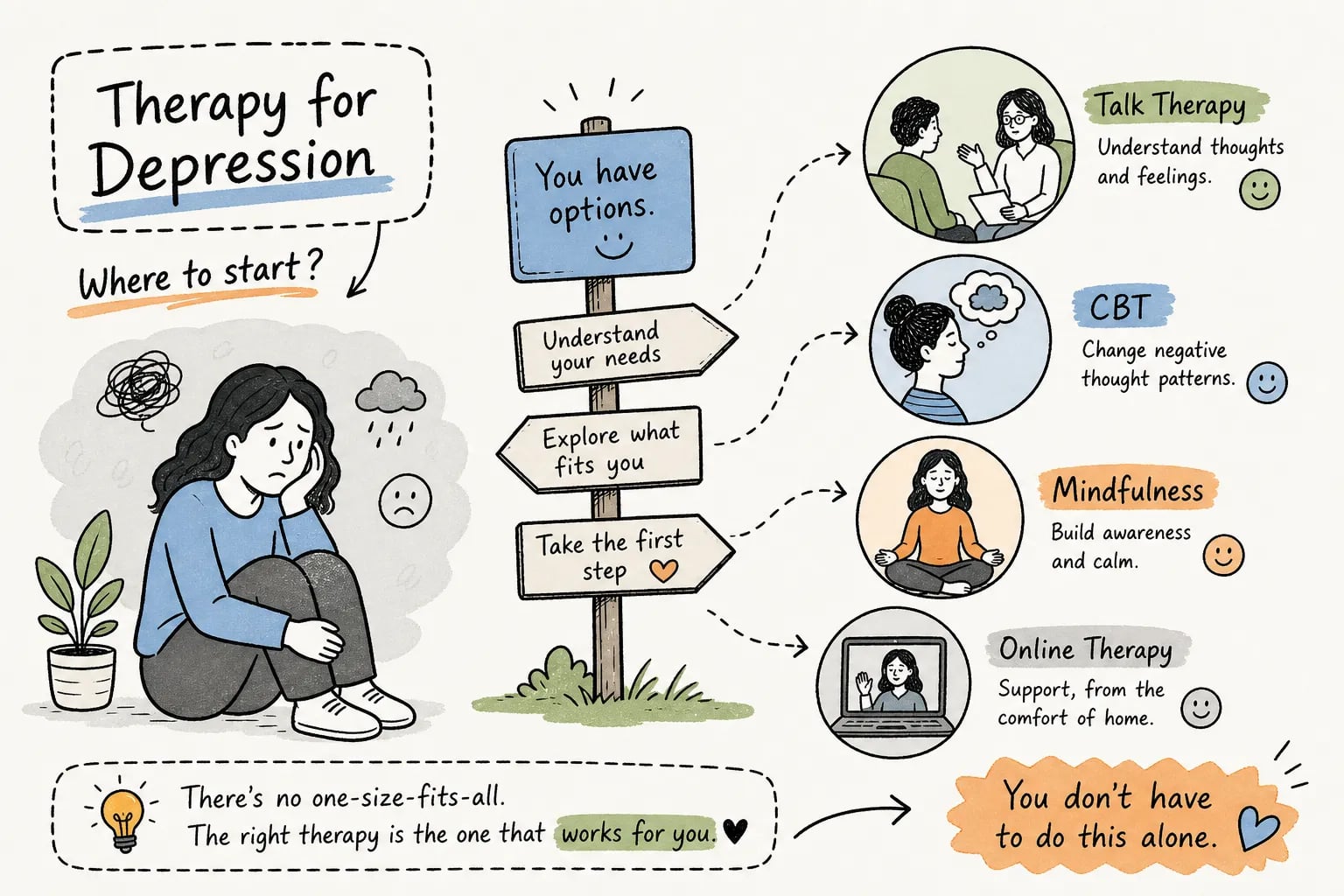
Therapy can help identify what is driving the pressure. For some people, the main issue is fear of failure. For others, it is fear of criticism, fear of disappointing others, or a long history of tying worth to achievement. Treatment may include cognitive behavioral strategies, exposure-based work for avoided situations, stress-management tools, boundary setting, and a more compassionate way of measuring success. The purpose is not to remove ambition. It is to make ambition sustainable.
Progress usually looks subtle at first. A person starts a task sooner. Sends the email without ten extra edits. Speaks once in the meeting instead of staying silent. Recovers faster after an awkward moment. Finishes work with more consistency and less dread. Those changes may sound small, but they build real confidence because they come from action rather than reassurance.
Common Questions Around Perfectionism and Performance
Can perfectionism make someone perform worse?
Yes. High standards can support good preparation, but rigid perfectionism often increases tension, overthinking, procrastination, and fear of mistakes. Those factors can hurt memory, focus, and follow-through during high-pressure moments.
Why does the mind go blank during important moments?
Going blank often happens when stress gets high enough that attention shifts from the task to self-protection. The person may start scanning for mistakes, judgment, or danger. That stress response can interrupt recall and make simple actions feel hard.
Is freezing under pressure a sign of anxiety?
It can be. Freezing may be linked to performance anxiety, generalized anxiety, panic symptoms, or stress overload. It can also happen with perfectionistic thinking, even when a person does not identify as generally anxious.
How can therapy help with perfectionism?
Therapy can help uncover the beliefs, fears, and habits behind perfectionism. It can also teach practical tools for reducing self-criticism, increasing flexibility, facing feared tasks, and improving performance without relying on impossible standards.
When should someone seek support?
Support is worth considering when perfectionism leads to missed opportunities, chronic stress, relationship strain, sleep problems, burnout, or repeated freezing at work, at school, or in personal life.
Support for change in Chicago
Breaking the perfectionism cycle usually starts with a simple truth: pressure is not the same as preparation. When performance matters, calm focus almost always beats internal punishment. People do not need to become careless to stop freezing. They need a steadier way to think, practice, and respond under stress.
For adults in Chicago who are tired of overthinking, delaying, shutting down, or judging every mistake as proof of failure, counseling can offer a structured way forward. With the right support, high standards can stay intact while fear loses its grip.
River North Counseling Group LLC
405 North Wabash Avenue
Suite 3209
Chicago, Illinois 60611
Office: 312.467.0000
https://www.rivernorthcounseling.com
Relevant words: perfectionism and performance, stop freezing under pressure, fear of failure, performance anxiety, self-criticism, overthinking, burnout, anxiety counseling Chicago, therapist for perfectionism, counseling for high achievers
Tags: Perfectionism, Performance Anxiety, Freezing Under Pressure, Counseling in Chicago, Anxiety Support
Related Terms:
- fear of failure
- all-or-nothing thinking
- performance anxiety
- self-criticism
- burnout
Authority links:
National Institute of Mental Health – Anxiety Disorders
MedlinePlus – Anxiety
American Psychological Association – The Hidden Toll of High-Stakes Achievement Culture
Expand Your Knowledge:
NIMH – Generalized Anxiety Disorder
MedlinePlus – Stress
APA – Multidimensional Perfectionism Review