

Parenting with Two Homes: Co-Parenting Rules That Lower Drama.
Introduction: Creating Stability When Children Live in Two Homes
Parenting across two households can present significant emotional and logistical challenges. After separation or divorce, parents often must establish new routines, coordinate responsibilities, and manage disagreements while protecting their children’s emotional well-being. When communication becomes tense, even ordinary decisions about school schedules, transportation, or holidays can become recurring sources of conflict.
Effective co-parenting does not require former partners to agree on every issue or maintain a close personal relationship. Instead, it requires predictable expectations, appropriate boundaries, and a consistent commitment to children’s developmental needs. Research-informed parenting practices emphasize that children benefit from supportive relationships, reliable routines, and protection from ongoing adult conflict.
For families navigating parenting with two homes, clearly defined co-parenting rules can reduce unnecessary tension, improve communication, and create a more stable environment for children.
1. Keep Children’s Emotional Needs at the Center
One of the most important co-parenting principles is separating adult disagreements from parenting responsibilities. Children should not be expected to manage parental emotions, deliver hostile messages, or choose sides during disagreements.
Exposure to persistent parental conflict may contribute to anxiety, behavioral difficulties, sleep disturbances, and emotional insecurity. However, separation itself does not determine a child’s psychological adjustment. The quality of caregiving, emotional support, and family relationships also matters.
Parents can protect children by discussing disagreements privately, avoiding criticism of the other parent in the child’s presence, and reassuring children that they are not responsible for adult decisions.
Children also benefit from knowing that maintaining a positive relationship with one parent does not constitute disloyalty to the other.
2. Establish Predictable Routines Across Both Households
Consistency provides children with a sense of security during family transitions. Household rules don’t need to be identical, but coordinating key routines can reduce confusion.
Bedtimes, school attendance, homework expectations, medication administration, and transportation arrangements are especially important areas for communication.
A shared parenting calendar can help parents organize exchanges, extracurricular activities, medical appointments, and school events. Written schedules reduce reliance on memory and minimize disagreements about arrangements already discussed.
Age-appropriate visual calendars may also help younger children understand when transitions will occur. Predictability can reduce anticipatory anxiety and support emotional adjustment.
3. Communicate Briefly, Clearly, and Respectfully
Effective co-parenting communication should focus on practical information rather than unresolved relationship grievances. Messages are generally more productive when they are factual, respectful, and limited to parenting-related matters.
For example, instead of arguing about a parent’s reliability, a message might state: “The school conference is scheduled for Thursday at 3:30 p.m. Please confirm whether attendance is possible.”
Email, shared calendars, or parenting apps can help when verbal conversations frequently escalate.
Parents should avoid sending emotionally charged messages immediately after disagreements. When appropriate, give yourself time before responding to avoid impulsive reactions.
In high-conflict situations, structured communication may provide clearer boundaries and documentation. However, communication arrangements must account for any existing court orders or safety concerns.
4. Create Clear Boundaries Between Parenting and Personal Conflict
Healthy co-parenting boundaries distinguish shared parenting responsibilities from the former romantic relationship. Parents may need to communicate about educational decisions, healthcare, safety, and schedules without revisiting personal disputes.
Boundaries may include agreed communication channels, reasonable response expectations, and designated emergency procedures.
For example, nonurgent scheduling questions might be addressed through a parenting application, while genuine medical emergencies require immediate contact.
Children should never serve as intermediaries for financial disagreements, schedule changes, or emotionally difficult conversations. Maintaining this distinction helps prevent children from assuming inappropriate adult responsibilities.
5. Develop a Detailed, Child-Centered Parenting Plan
A written parenting plan provides a practical framework for shared responsibilities. Depending on family circumstances and applicable legal requirements, the plan may address parenting time, holidays, transportation, educational decisions, healthcare coordination, and dispute-resolution procedures.
Specificity matters most when communication is strained. Instead of saying parents will “share holidays fairly,” a plan can specify exchange times, locations, and alternating arrangements.
Parenting plans should also reflect children’s developmental needs. A schedule that works for an adolescent may not suit an infant or preschooler.
When legal custody arrangements are involved, parents should consult qualified legal professionals about their rights and obligations. Mental health counseling can support communication and emotional adjustment but does not replace legal advice.
6. Make Transitions Between Homes Calm and Predictable
Moving between households may produce mixed emotions, even when children have positive relationships with both parents. Some children feel sad, irritable, excited, or struggle to settle into the new environment temporarily.
Parents can ease transitions by preparing belongings in advance, communicating transportation details, and avoiding confrontations during exchanges.
A simple arrival routine, such as unpacking, having a snack, or spending quiet time together, may help children adjust.
Do not pressure children to report on the other household immediately after returning. Instead, parents can give children space to share their experiences voluntarily.
When exchanges are consistently contentious, neutral locations or other structured arrangements may be appropriate, depending on safety needs and legal requirements.
7. Respect Differences Without Creating Competing Households
Parents frequently have different approaches to meals, screen time, chores, discipline, and recreational activities. Not every difference requires correction.
Children can learn to function within different household expectations when those expectations are reasonably clear, developmentally appropriate, and emotionally safe.
Problems are more likely when parents use household differences to criticize one another or compete for children’s approval.
For instance, purchasing expensive gifts to influence a child’s preference for one household may create unnecessary emotional pressure.
Cooperation is particularly important regarding major health, educational, and safety decisions. Less consequential differences may be managed through flexibility and mutual respect.
8. Recognize When Parallel Parenting May Be More Appropriate
Traditional cooperative co-parenting may not be realistic when communication repeatedly becomes hostile or emotionally destabilizing. In some high-conflict situations, parallel parenting provides an alternative framework.
Parallel parenting emphasizes limited direct interaction, clearly defined responsibilities, structured schedules, and communication restricted to essential child-related matters.
Each parent generally manages ordinary decisions during their own parenting time, subject to applicable custody arrangements.
This approach can reduce conflict, but it may not suit every family.
When domestic violence, coercive control, stalking, intimidation, or child abuse is present, safety planning must take priority. Standard recommendations for cooperative communication or shared decision-making may be unsafe. A qualified professional familiar with these circumstances can help identify appropriate options.
9. Support Children’s Emotional Expression Without Taking Sides
Children may respond to family changes through sadness, anger, withdrawal, physical complaints, or changes in school performance. Emotional responses vary according to age, temperament, developmental stage, and family circumstances.
Parents can support adjustment by listening without judgment and validating emotions without reinforcing negative assumptions about the other parent.
For example, acknowledging that moving between homes feels frustrating can help a child feel understood without suggesting that either household is responsible for those feelings.
Children should also be reassured that they are loved and that adult relationship decisions are not their responsibility.
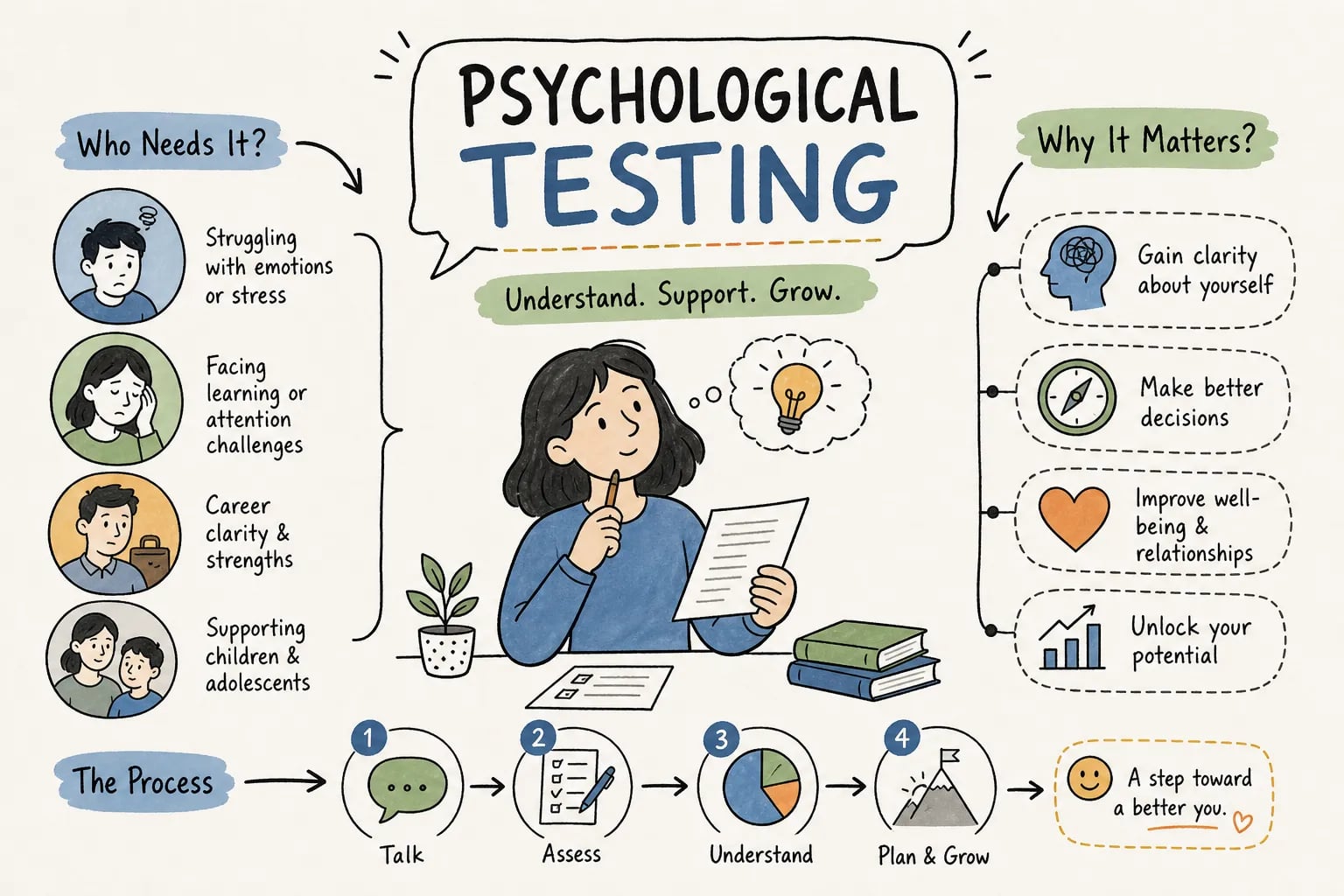
Persistent distress, significant behavioral changes, or declining daily functioning may indicate that a professional mental health evaluation would be beneficial.
10. Seek Professional Support Before Conflict Becomes Entrenched
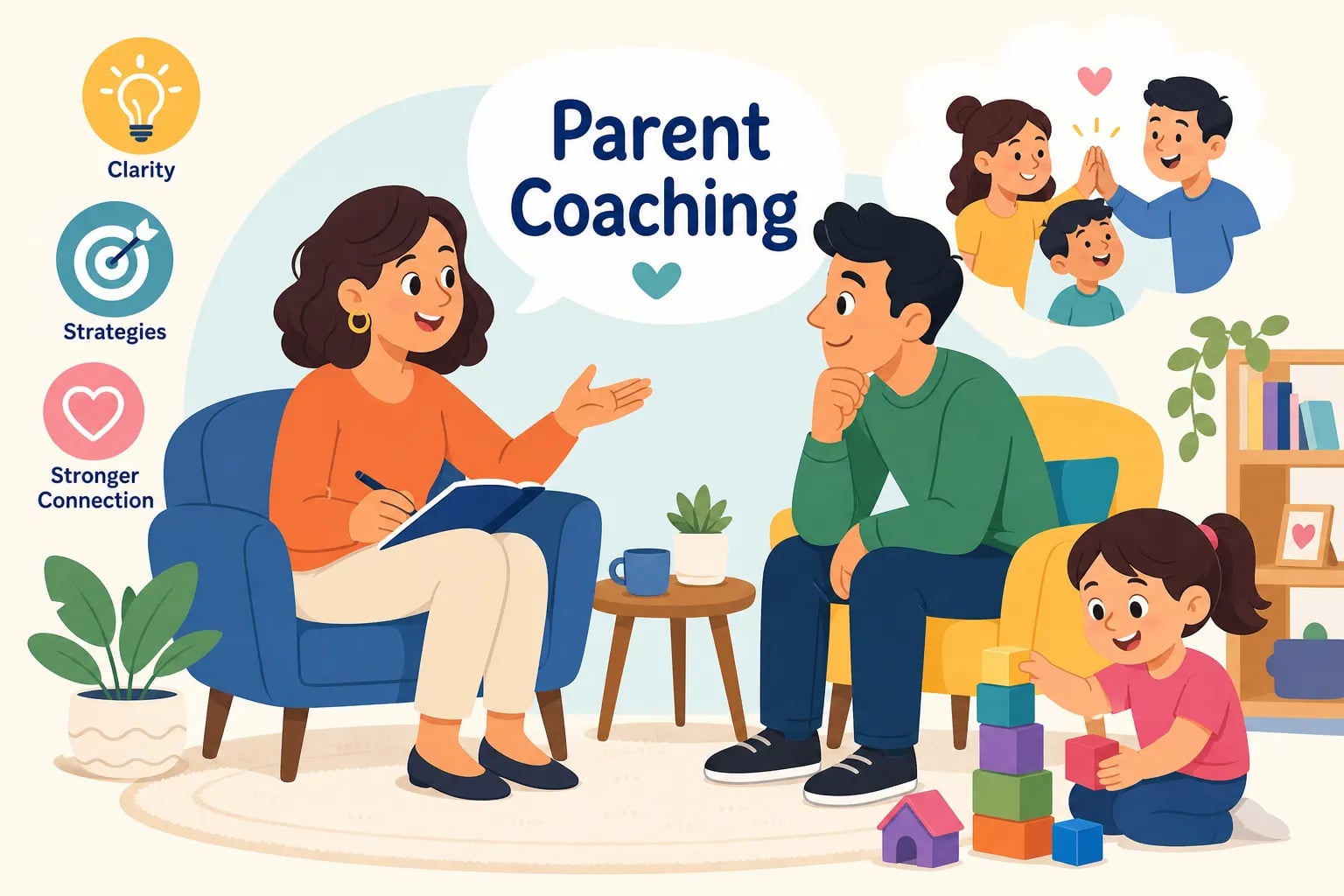
Family counseling, individual therapy, and parenting-focused interventions may help families develop communication strategies, manage emotional reactions, and respond more effectively to children’s needs.
Professional support can be especially helpful when disagreements keep escalating, children show signs of distress, or parents struggle to set workable boundaries.
Therapy does not guarantee agreement or reconciliation. Instead, it may focus on improving emotional regulation, strengthening parenting skills, and helping family members adapt to changing circumstances.
Parents seeking co-parenting counseling in Chicago can explore professional support suited to their family’s circumstances, including the needs of children experiencing stress related to separation or divorce.
People Also Ask: Frequently Asked Questions About Co-Parenting
What are the most important rules for successful co-parenting?
Successful co-parenting generally involves respectful communication, predictable schedules, clear boundaries, and consistent attention to children’s emotional needs. Parents should avoid involving children in disputes and establish practical procedures for shared decisions.
How can parents reduce conflict when raising children in two homes?
Parents can reduce conflict through written parenting plans, shared calendars, structured communication, and predictable exchanges. Parents should focus discussions on specific child-related needs rather than past relationship disagreements.
What is the difference between co-parenting and parallel parenting?
Co-parenting typically involves ongoing collaboration between parents. Parallel parenting minimizes direct interaction while keeping parenting responsibilities structured. Parallel parenting may be considered when repeated conflict makes cooperative communication difficult.
How does living in two homes affect a child’s mental health?
Children’s responses vary. Some experience temporary adjustment difficulties, while others demonstrate substantial resilience. Supportive caregiving, predictable routines, and reduced exposure to parental conflict can help protect emotional well-being.
When should parents consider co-parenting counseling?
Counseling may be appropriate when communication frequently escalates, children show persistent emotional distress, or parenting disagreements interfere with daily functioning. Families with abuse or coercive-control concerns require specialized safety-informed assessment rather than routine joint counseling.
Evidence-Based Resources for Parents
Families seeking additional guidance may benefit from established pediatric, psychological, and public health resources:
- American Academy of Pediatrics: Divorce and Children — Guidance on supporting children during family transitions.
- American Psychological Association: Divorce and Child Custody — Psychological perspectives on separation and parenting arrangements.
- Centers for Disease Control and Prevention: Parenting Resources — Information about healthy child development and supportive parenting.
- National Institute of Mental Health: Child and Adolescent Mental Health — Resources for recognizing and understanding mental health concerns in young people.
Conclusion: Two Homes Can Still Provide One Foundation of Stability
Parenting with two homes does not require identical households or a conflict-free relationship between parents. It requires a sustained commitment to children’s emotional security, dependable routines, and responsible communication.
Clear co-parenting rules can help families reduce unnecessary disputes while supporting children’s relationships, development, and sense of belonging. When cooperation remains difficult, structured boundaries and appropriate professional guidance may provide a more workable path forward.
The central objective is not to eliminate every disagreement. The goal is to keep adult conflict from overshadowing children’s needs and to create an environment where children feel safe, supported, and valued.
Co-Parenting and Family Counseling in Chicago
Families navigating separation, divorce, parenting stress, or difficult household transitions may benefit from professional counseling. River North Counseling Group LLC is located in Chicago’s River North neighborhood. Contact the practice directly to discuss available services, clinician expertise, and appointment options.
River North Counseling Group LLC405 North Wabash Avenue
Suite 3209
Chicago, Illinois
60611
Office: 312.467.0000
https://www.rivernorthcounseling.com
Find River North Counseling Group LLC
Educational disclaimer: This article provides general information and is not a substitute for individualized mental health assessment, legal advice, or emergency services. If you are in immediate danger, contact emergency services. For mental health crisis support in the United States, call or text 988.