

The moment you schedule your first therapy session in Chicago, two things usually happen at once: a small wave of relief, and a bigger wave of “wait, what did I just do?” That mix of hope and nerves is completely normal. For most people, the biggest barrier to starting therapy isn’t finding a therapist. It’s not knowing what happens once you’re actually sitting in the room.
By the time you finish reading, you’ll know exactly how the first session is structured, what to bring, how Illinois protects your privacy, how to describe what’s going on even if you can’t find the words, and which questions to ask to make sure the fit feels right. Consider it your blueprint for walking in prepared instead of anxious.
At River North Counseling, a licensed group practice with offices in River North and Skokie plus virtual sessions across Illinois, the intake process is built specifically with first-time clients in mind. Many people on their team have never been to therapy before, and that’s not a problem. It’s the starting point.
What the first session actually looks like
The single most important thing to understand before your appointment is this: the first session is an assessment, not a treatment. Your therapist’s job is to understand you, not to fix anything yet. That distinction alone takes an enormous amount of pressure off.
The structure of a therapy intake appointment
A typical intake follows a predictable flow. It starts with a brief welcome and a review of consent forms and confidentiality. From there, the therapist opens a genuine conversation about your background, your current concerns, and what’s been affecting your day-to-day life. There’s usually a gentle safety check-in to understand where you are emotionally right now. The session closes with a collaborative look at potential goals and the approach that might work best for you.
The therapist leads, but it doesn’t feel like an interrogation. At practices like River North Counseling, clients often describe it as a structured conversation with someone who is paying close, nonjudgmental attention. If you are bringing a minor or adolescent, you may also find it helpful to read Child and Teen Therapy: How a First Session Usually Goes, River North Counseling for more details on how those intakes typically differ.
How long the first session lasts, and what the therapist is listening for
Most initial therapy sessions run 60 to 90 minutes, which is longer than a standard follow-up session (typically 45 to 50 minutes) because there’s more ground to cover. Block out your schedule accordingly and don’t rush off to a meeting right after.
Therapists aren’t fact-collecting during that time. They’re listening for patterns, emotional themes, and context. The story of how you ended up in that chair, the timing, the triggers, and what you’ve already tried, tells them as much as the specific details do. There are no wrong answers, and nothing you say will shock them.
What to bring to your first therapy session in Chicago
The prep work here is genuinely minimal. Most Chicago practices handle the heavy lifting by sending a digital intake packet after you book, so a lot of the paperwork is already done before you walk through the door.
ID, insurance card, and payment info
Bring a government-issued ID, your current insurance card with the policy and group numbers visible, and your preferred payment method. If you’re using insurance, in-network copays in Chicago typically run $20 to $40 per session. If you’re paying out of pocket, many practices offer sliding-scale fees based on income, with some starting as low as $25 to $30 per session. Ask about this when you book.
Digital forms and what to complete beforehand
After scheduling, most Chicago therapists send intake forms electronically. These usually include a client intake form covering your history and goals, a consent to treatment document, a HIPAA privacy notice, and a client service agreement outlining fees and cancellation policies. Completing these before your appointment shortens the administrative portion of your first session and frees up more time for actual conversation. For an example of typical clinic paperwork, see these new patient forms.
Optional items that help the session go smoothly
These aren’t required, but they’re worth a few minutes of preparation before you arrive:
- A written list of current medications and dosages
- Any prior mental health diagnoses or treatment history
- A short note of the topics or goals you most want to address
What’s private and what isn’t: Illinois confidentiality rules
One of the most common worries first-time clients carry into that first session is: “Will this stay between us?” The answer, under Illinois law, is yes, with very limited and specific exceptions.
The general privacy protection you can count on
In Illinois, the Mental Health and Developmental Disabilities Confidentiality Act (MHDDCA) protects everything shared in therapy by default. Your therapist cannot share your records or the content of your sessions with anyone, including family members, employers, or other healthcare providers, without your written authorization. HIPAA reinforces these protections at the federal level. Your information is yours.
The three situations where therapists must break confidentiality
Illinois law requires therapists to act in three specific situations, and it’s worth knowing what they are so there are no surprises:
- A credible, imminent risk of harm to yourself or someone else
- Suspected abuse or neglect of a child under 18
- Suspected abuse or neglect of an elder or disabled adult
These are legal requirements, not judgment calls. They exist to protect people in serious danger. The vast majority of clients go through therapy without ever coming close to these situations. Your therapist will explain all of this at the start of your first session as part of the consent process.
How to describe your concerns when you don’t know where to start
This is the part that stops a lot of people cold. They feel like they need the “right” words, a clear diagnosis, or a polished summary of their life before they can explain why they’re there. They don’t. Not even a little.
You don’t need a polished explanation
Therapists hear “I’m not sure where to begin” multiple times every week. It’s not a problem, and it doesn’t make you a difficult client. Your therapist will guide the conversation with questions. Your only actual job is to show up and be honest. The rest follows from there. For practical tips on starting intake conversations, this therapy intake resource can be a helpful companion as you prepare.
Sample phrases that work for any situation
If you want something concrete to reach for, any of these openings work:
- “I’ve been feeling overwhelmed and I’m not sure why.”
- “Something feels off, and it’s starting to affect my work and my relationships.”
- “I’ve been dealing with anxiety for a while and I want to understand it better.”
- “There’s something I’ve been scared to say out loud, but I want to try.”
- “I’m here because I’ve been struggling, and I don’t know what to do about it.”
Even one honest sentence is enough. Therapists are trained to take it from there and help you unfold the rest at a pace that feels manageable. Imperfect and honest beats polished and guarded every time.
Questions to ask your therapist and how to read the fit
Walking into your first session with a few questions ready shifts the dynamic in a meaningful way. You’re not just a passive participant. You’re evaluating whether this particular therapist is the right person to work with, and that’s completely appropriate.
Questions about their approach and experience
These four questions give you a solid foundation for understanding how a therapist works and whether their style aligns with what you need:
- “What therapy approach do you use, and why is it a good fit for my concerns?”
- “Have you worked with clients dealing with [specific issue] before?”
- “How do you typically structure our sessions going forward?”
- “How will we know if therapy is working?”
A good therapist welcomes these questions. They signal that you’re engaged and serious about the process, and any clinician worth working with will answer them clearly and without defensiveness.
How to tell if the fit feels right after one session
A good first session feels safe, not perfect. You should leave feeling heard and respected, not judged or rushed. If you felt dismissed, if the therapist seemed distracted, or if something just felt off, those impressions are worth paying attention to. A poor fit doesn’t mean therapy isn’t for you. It means this particular therapist isn’t your match.
Switching therapists is completely normal, and it doesn’t mean starting over. A new therapist can often pick up context quickly, especially if you’ve already done an intake session. The goal is finding the right fit, not staying loyal to the first person you meet. If you’d like guidance on comparing clinicians and making a choice, see Finding a Therapist: Steps to Choose the Right One, River North Counseling.
How to prepare for your first therapy session at River North Counseling
If you’re looking for a Chicago therapist who takes the matching process seriously, River North Counseling is worth a strong look. Their intake isn’t just about scheduling an open slot. It’s about understanding your specific concerns and goals before connecting you with a therapist whose background and approach align with what you actually need. For a broader overview of options in the city, you can also review Find a therapist in Chicago: Your step-by-step guide.
Why first-time clients choose River North Counseling
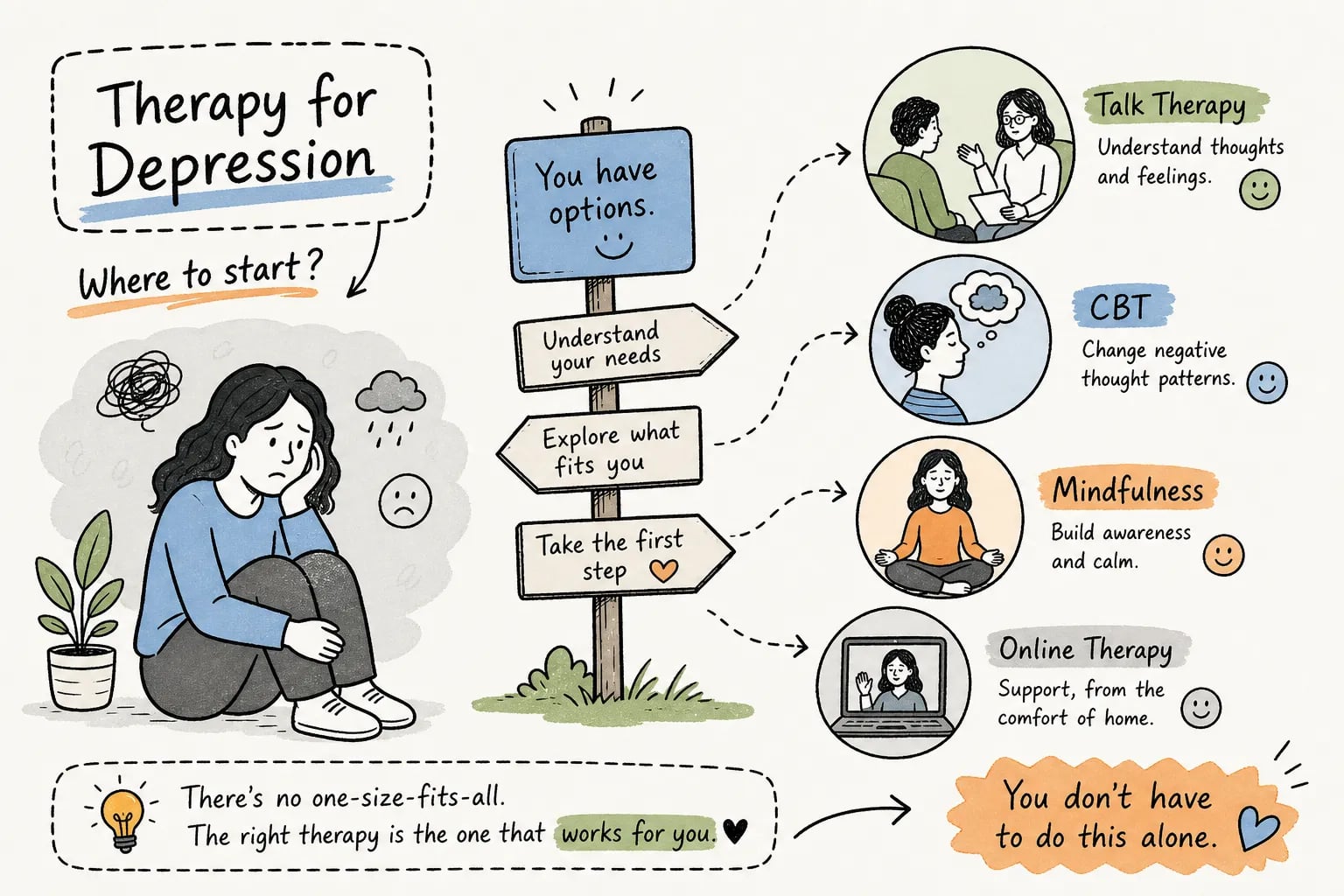
The practice specializes in the issues most commonly behind a first therapy call: anxiety, depression, life transitions, work stress, and relationship challenges. Their therapists use evidence-based approaches including Cognitive Behavioral Therapy (CBT), which gives clients practical, skill-based tools they can use between sessions, not just in the room. With in-person offices in River North and Skokie, plus virtual sessions available across Illinois, flexible access is built into their model from the start. For clinicians interested in best practices for documenting and conducting intakes, this guide to conducting and documenting an intake session is a solid reference.
How to book your first session
The process is low-pressure. Reach out through their website, share a brief overview of what you’re looking for, and the team handles the matching from there. Intake forms arrive digitally before your appointment, your first session runs 60 to 90 minutes, and the team is genuinely experienced working with people who have never been to therapy before. That experience is something they’re fully prepared for.
The hardest part is already behind you
Reading this far means you’ve already moved past the most paralyzing part of starting therapy: the uncertainty. You know the first session is a mental health intake and assessment, not an emotional deep dive. You understand what to bring, what Illinois law protects, and how to tell whether the fit is right.
The rest is just showing up. The fact that you’re thinking this carefully about the process suggests you’re already more ready than you think. If River North Counseling sounds like the right place to start, book your first therapy session in Chicago today. Their team is ready for exactly where you are right now.