

Sleep and mental health are deeply intertwined, forming a two-way relationship in which poor sleep contributes to mental health challenges, and mental health disorders can disrupt sleep patterns. Understanding this connection is crucial for developing better treatment plans and overall well-being. This article explores the science behind sleep and mental health, how disorders impact rest, and actionable steps to improve both.
Understanding the Sleep-Mental Health Connection
Sleep is more than just a rest period—it’s an essential process that allows the brain to regulate emotions, process experiences, and maintain cognitive function. When sleep is disrupted, these processes become impaired, increasing vulnerability to stress, anxiety, and depression.
How Sleep Affects Mental Health
-
Emotional Regulation & Resilience
- Poor sleep affects the brain’s ability to make decisions. A well-rested brain can process emotions effectively, while sleep deprivation increases emotional reactivity and reduces resilience to stress.
-
Cognitive Function & Decision-Making
- The brain consolidates memories and processes information during sleep. Without enough rest, cognitive function declines, leading to difficulties in concentration, problem-solving, and decision-making.
-
Hormonal Balance & Stress Regulation
- Sleep influences the production of cortisol (the stress hormone) and serotonin (a mood regulator). Sleep deprivation leads to heightened cortisol levels, increasing anxiety and depression risks.
How Mental Health Disorders Impact Sleep
Many mental health conditions directly affect sleep patterns, making it difficult for individuals to get restorative rest. Here’s how some commoHere’srders influence sleep:
1. Anxiety Disorders
- People with anxiety often experience hyperarousal, making it hard to fall or stay asleep. Racing thoughts, restlessness, and nighttime panic attacks are common.
2. Depression
- Depression is linked to insomnia and hypersomnia (excessive sleepiness). Disruptions in REM sleep can worsen mood regulation and energy levels.
3. Bipolar Disorder
- Manic episodes in bipolar disorder often lead to little to no sleep, while depressive episodes may cause excessive sleeping. This inconsistency worsens mood stability.
4. PTSD (Post-Traumatic Stress Disorder)
- PTSD disrupts sleep through nightmares, insomnia, and hypervigilance. Sleep disturbances can further exacerbate PTSD symptoms.
5. ADHD (Attention-Deficit/Hyperactivity Disorder)
- People with ADHD struggle with sleep onset, often feeling wired at night due to dopamine imbalances. Poor sleep worsens focus and impulsivity.
The Science of Sleep and Mental Well-Being
The Role of Sleep Stages
-
NREM Sleep (Non-Rapid Eye Movement)
- This stage is crucial for physical restoration, immune function, and stress recovery.
-
REM Sleep (Rapid Eye Movement)
- This stage processes emotions and consolidates memories. Disruptions in REM sleep are linked to increased emotional instability and mood disorders.
Brain Chemistry & Sleep
- Melatonin: Regulates sleep-wake cycles; imbalances can lead to insomnia.
- GABA (Gamma-Aminobutyric Acid): A calming neurotransmitter that promotes relaxation.
- Serotonin & Dopamine Affect mod and motivation, both of which are influenced by sleep quality.
How to Improve Sleep for Better Mental Health
Improving sleep habits can have a profound impact on mental health. Here are evidence-based strategies:
1. Establish a Consistent Sleep Routine
- Go to bed and wake up simultaneously every day—even on weekends.
2. Create a Relaxing Pre-Bedtime Ritual
- Engage in calming activities like reading, meditation, or gentle stretching.
- To reduce blue light exposure, avoid screens (phones, tablets, TVs) for at least an hour before bed.
3. Optimize Your Sleep Environment
- Keep your room cool (65-70°F), dark, and quiet.
- Invest in a comfortable mattress and pillows.
4. Limit Stimulants & Alcohol Before Bed
- Caffeine and nicotine can keep you wired, while alcohol disrupts REM sleep.
5. Exercise Regularly (But Not Right Before Bed)
- Physical activity improves sleep quality, but intense workouts too late in the evening can have the opposite effect.
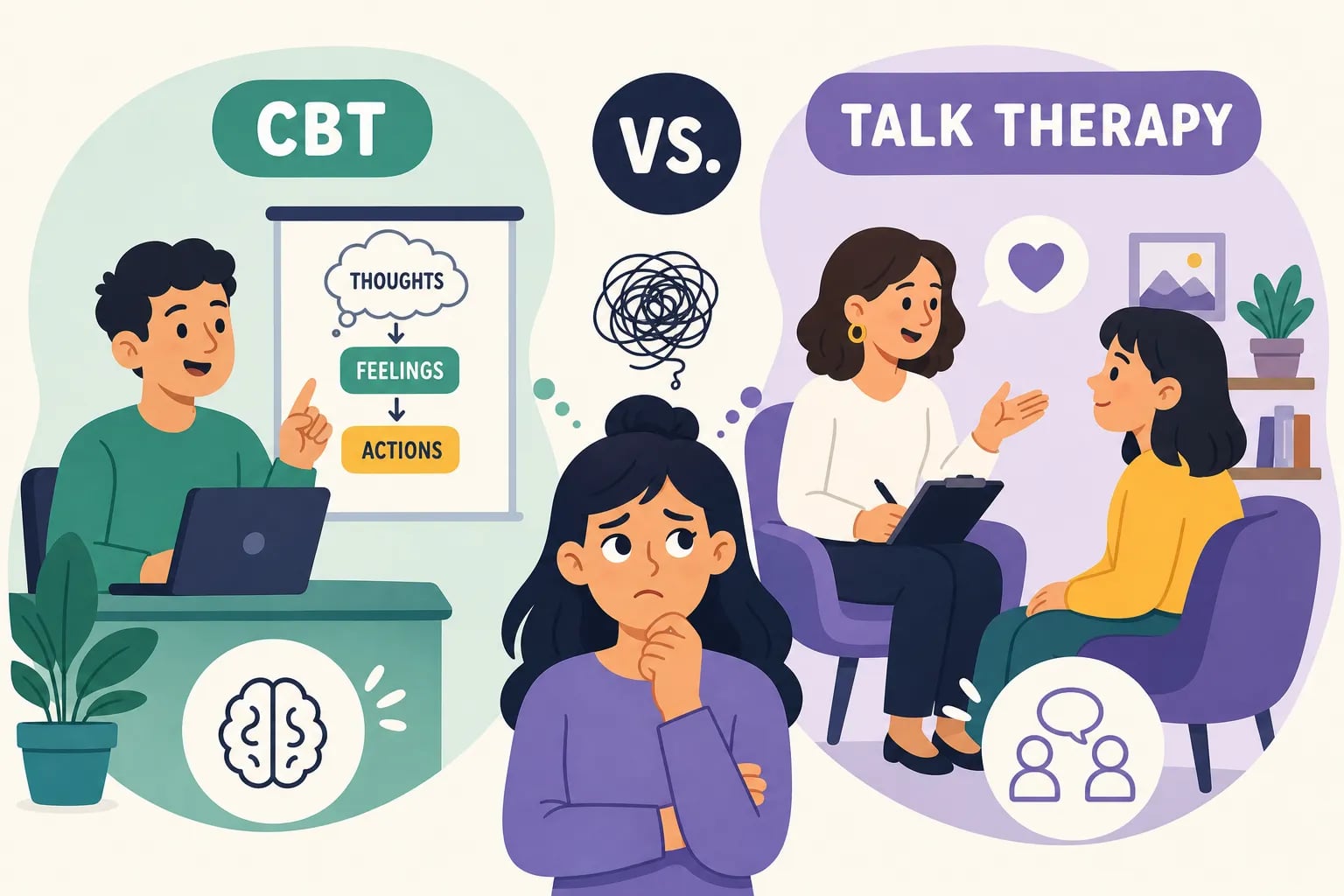
6. Use Cognitive Behavioral Therapy for Insomnia (CBT-I)
- This therapy helps individuals reframe negative thoughts about sleep and develop healthier sleep habits.
7. Seek Professional Help If Needed
- If sleep disturbances persist, consulting a counselor, therapist, or sleep specialist can provide tailored solutions.
Did You Know? Sleep Disorders & Mental Health in Numbers
- 50-80% of psychiatric patients experience chronic sleep problems, compared to 10-18% of the general population.
- People with insomnia are 10 times more likely to develop depression than those with healthy sleep patterns.
- Sleep deprivation for just 24 hours can increase anxiety symptoms by up to 30%.
Common Questions Around Sleep & Mental Health
1. Can improving sleep reduce symptoms of depression and anxiety?
Yes! Research shows that consistent, high-quality sleep improves mood, stress management, and emotional regulation, significantly reducing symptoms of anxiety and depression.
2. What is the best sleep schedule for mental health?
A regular sleep schedule (7-9 hours per night, going to bed, and waking up at the same time daily) is best for mental well-being.
3. How does sleep deprivation affect brain function?
Lack of sleep impairs memory, emotional regulation, and decision-making, increasing the risk of mental health issues.
4. Can naps help if I have trouble sleeping at night?
Short naps (20-30 minutes) can boost cognitive function, but long naps (over 90 minutes) can disrupt nighttime sleep.
5. What therapy is most effective for sleep-related mental health issues?
Cognitive Behavioral Therapy for Insomnia (CBT-I) is one of the most effective treatments.
Final Thoughts
The connection between sleep and mental health is undeniable. Whether you’re struggling with insomnia, anxiety, depression, or another condition, improving your sleep can be a decisive step toward better mental well-being. Small changes—like setting a bedtime routine, optimizing your environment, and seeking professional support—can improve sleep and mental health.
Related Terms & Concepts
- Circadian Rhythm
- Sleep Hygiene
- Neurotransmitters & Sleep
- Cognitive Behavioral Therapy for Insomnia (CBT-I)
- Melatonin & Mental Health
Additional Resources
- National Institute of Mental Health (NIMH) – Sleep and Mental Health
- Centers for Disease Control and Prevention – Sleep and Chronic Disease
- American Academy of Sleep Medicine – Sleep Education
Expand Your Knowledge
- How Sleep Deprivation Affects Your Brain – Harvard Health
- The Science Behind Insomnia and Mental Health – Sleep Foundation
- Why REM Sleep is Crucial for Emotional Processing – Psychology Today
For counseling services, contact https://www.rivernorthcounseling.com or call now. (312) 467-0000.