

Family traditions can bring comfort, connection, and meaning. They can also add pressure when schedules fill up, expectations grow, and emotional labor falls on one or two people. During busy seasons, many people ask the same question: is this normal stress, or is it turning into burnout? The difference matters. Stress usually feels tied to demands that may ease with support, rest, or a better plan. Burnout feels deeper. It often brings emotional numbness, detachment, cynicism, and a sense that even small tasks take too much effort. Knowing which one is happening can help families protect their health, lower conflict, and make traditions feel more supportive again.
Family rituals often carry a lot of hidden work. Someone remembers dates, shops for supplies, cooks, coordinates rides, texts relatives, manages feelings, and tries to keep everyone happy. On the outside, a holiday dinner, birthday gathering, or weekly Sunday routine may look warm and simple. Under the surface, the effort can be intense. When that effort continues without enough recovery, boundaries, or shared responsibility, the mind and body can start sending signals that something needs to change.
Stress and burnout are linked, but they are not the same. Stress often feels like too much: too many obligations, too many deadlines, too little time. Burnout often feels like not enough: not enough energy, not enough motivation, not enough emotional reserve to care in the same way. Stress may come with urgency and tension. Burnout often comes with depletion and distance. In family life, that difference can shape how a person responds to conflict, caregiving, holiday planning, co-parenting, or long-standing traditions that no longer fit the season of life.
Why family traditions can trigger both stress and burnout
Traditions are powerful because they carry memory and identity. They connect generations, values, and family roles. That emotional weight can make them harder to adjust, even when life changes. A family may keep trying to do everything the same way after a move, a divorce, a new baby, grief, financial strain, or changing work hours. The result is often overload.
Stress tends to rise when traditions become crowded with expectations. A person may worry about disappointing parents, children, or a partner. There may be pressure to host, travel, spend money, maintain perfect meals, or manage complicated family dynamics. In many homes, one person becomes the default planner and emotional anchor. That role can be exhausting, especially when support is uneven.
Burnout becomes more likely when pressure stays high and recovery stays low. A person may stop looking forward to events that once felt meaningful. Irritability may rise. Sleep may worsen. Compassion may shrink. Instead of feeling stretched for a few days, the person feels empty for weeks or months. At that point, it is not just a scheduling problem. It is a health and wellbeing issue.
Stress often looks like activation
Stress usually shows up with a sense of urgency. Common signs include muscle tension, racing thoughts, irritability, digestive upset, headaches, restlessness, and trouble relaxing. The person may still feel hopeful that things will calm down after the event or season passes. There is strain, but some energy remains.
Burnout often looks like depletion
Burnout is more likely when stress becomes chronic and the person feels trapped, unsupported, or emotionally drained. Common signs include feeling numb, cynical, detached, exhausted after minor tasks, unmotivated, forgetful, or disconnected from people and routines that once mattered. Recovery takes longer. Time off may help only a little if the deeper pattern stays the same.
How to tell the difference in real life
A usefu way to distinguish stresss from burnou:tconsidert duration, depth, and recovery. Stress may spike before a holiday visit, family reunion, or major school event. Once the pressure eases, mood and energy often improve. Burnout tends to linger. Even after a break, the person may still feel flat, resentful, or emotionally shut down.
Another difference is emotional tone. Stress often brings anxiety and overwhelm. Burnout often brings hopelessness or detachment. A stressed parent may say, “There is too much to do.” A burned-out parent may say, “Nothing about this feels worth the effort.” A stressed caregiver may need help organizing. A burned-out caregiver may need rest, boundaries, and a deeper reset.
Family patterns can also offer clues. If one person always carries the mental load, resentment can build slowly. If traditions depend on perfection,thet riskof burnout goes up. If relatives dismiss boundaries or expect unpaid emotional labor, both stress and burnout can intensify. In these cases, the tradition itself may not be the problem. The structure around it may be the problem.
Questions that help identify the pattern
Ask what happens after rest. If a full night of sleep, a quiet weekend, or shared help leads to noticeable relief, stress may be the main issue. If rest does not restore much energy, burnout may be developing. Ask what happens emotionally. If the dominant feeling is pressure, stress may be driving it. If the dominant feeling is emptiness, dread, or disconnection, burnout may be closer to the mark.
Also ask whether joy still feels accessible. During stress, moments of connection can still break through. During burnout, even meaningful moments may feel muted. That does not mean the person is uncaring. It often means the system is overtaxed.
What to do when stress is the main problem
When stress is high but burnout has not fully set in, the goal is to reduce load and build recovery before depletion deepens. Small changes can make a real difference. Narrow the tradition to its core purpose. If the goal is connection, not performance, fewer steps may still meet the emotional need. A family meal does not have to be elaborate to be meaningful. A seasonal gathering does not need every custom every year.
Share labor clearly. Vague offers like “let me know if help is needed” often leave the main planner doing the management anyway. Specific roles work better. One person handles food, another handles transportation, another handles cleanup, and another communicates the final plan to relatives. This protects mental bandwidth.
Time boundaries also matter. Many families stack too much into a short period. Spacing events, shortening visits, or rotating hostingduties, and quickly lowering enthusiasm.. Emotional boundaries matter too. Not every debate needs to happen at the dinner table. Not every family member needs equal input into every decision.
Recovery should be planned, not left to chance. That may include sleep, movement, quiet time, meals at regular hours, fewer screens late at night, and a brief pause before or after emotionally loaded events. These supports sound basic, but they create the foundation that helps the nervous system settle.
What to do when burnout is already happening
Burnout needs more than a productivity fix. It calls for honest assessment, reduced demands, and support that addresses the deeper pattern. Start by naming what is no longer sustainable. That may be overhosting, overgiving, people-pleasing, carrying everyone’s emotions, or saying yes to traditions that no longer fit the family’s health, budget, or schedule.
Next, simplify aggressively. Some traditions can be paused, shortened, delegated, or redesigned. A family can keep the meaning while changing the method. Store-bought food can replace an all-day cooking marathon. A single gathering can replace several. A peaceful walk, game night, or volunteer activity can become the new tradition when old routines feel draining.
Burnout also improves when families make room for grief and change. Sometimes exhaustion is not just about being busy. It is about mourning what used to work. Children grow up. Relationships shift. Caregiving needs expand. Loved ones die. Work schedules change. New traditions may need to reflect the current family, not the family from ten years ago.
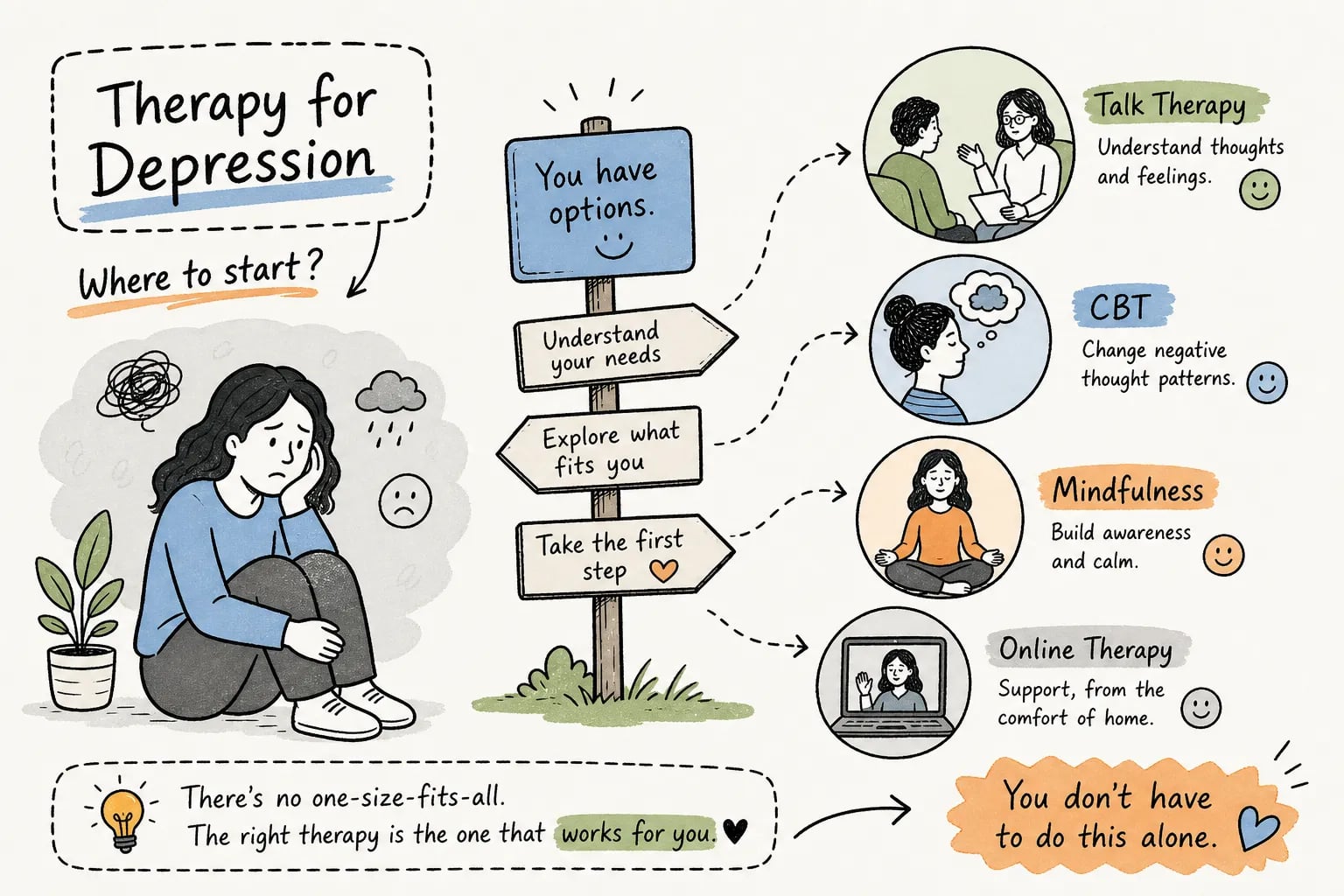
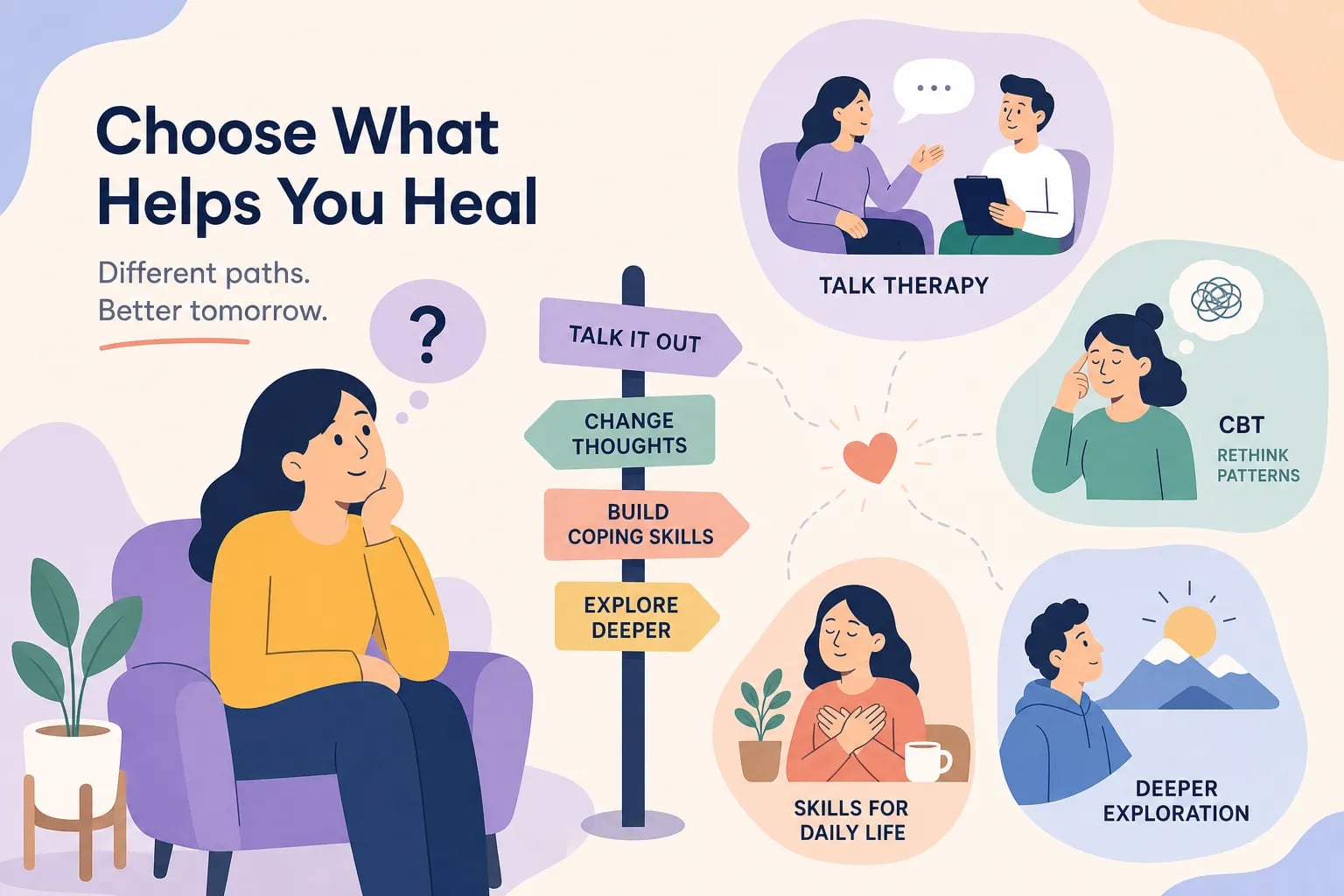
Professional support can help when burnout is affecting sleep, mood, relationships, work, or physical health. Therapy can help identify the beliefs and patterns that keep overload in place, such as perfectionism, guilt, conflict avoidance, or learned family roles. It can also help couples and families communicate more clearly about needs, limits, and shared responsibility.
Did You Know? Chicago families often manage tradition stress in a high-demand environment
In a city like Chicago, family traditions often unfold alongside long commutes, demanding work schedules, weather-related disruptions, school calendars, and multi-household logistics. For many households, stress is not tied to one event. It comes from the collision between daily urban life and the pressure to keep family rituals feeling special. That can be even harder in neighborhoods where parking, travel time, and scheduling across the city add hidden strain.
For families in and around River North, the challenge is often balance. The goal is not to remove every tradition. The goal is to create traditions that match current capacity. A tradition should support connection, not drain it. When a routine leaves one person exhausted, resentful, or emotionally absent, it may be time to redesign the plan instead of pushing harder.
Common questions around stress, burnout, and family traditions
Can stress from family events turn into burnout?
Yes. Repeated stress without enough rest, support, or boundaries can develop into burnout over time. This is more likely when one person carries most of the planning, emotional labor, or caregiving.
Is burnout only related to work?
No. Burnout can happen in caregiving, parenting, family management, and relationship roles. Any area with chronic demands and low recovery can contribute.
How can a family keep traditions without overwhelming everyone?
Focus on the meaning of the tradition, not the amount of production around it. Keep the parts that create connection and reduce the parts that create pressure, debt, conflict, or exhaustion.
When should someone seek counseling for stress or burnout?
Support may be helpful when exhaustion is persistent, relationships are suffering, sleep is disrupted, irritability is rising, or a person feels emotionally numb, resentful, or unable to recover with ordinary rest.
Find support in Chicago
When family traditions begin to feel heavy instead of healing, support can help families create healthier patterns and more realistic expectations. River North Counseling Group LLC serves individuals, couples, and families in Chicago who want practicaltools to manageg stress preventg burnout,and improveg communication.
River North Counseling Group LLC
405 North Wabash Avenue
Suite 3209
Chicago, Illinois 60611
Office: 312.467.0000
https://www.rivernorthcounseling.com
Relevant words: stress vs burnout, family traditions and mental health, emotional exhaustion, caregiver burnout, holiday stress, family counseling Chicago, burnout symptoms, mental load in families, relationship stress, therapy for burnout
Family traditions, stress, burnout, counseling, Chicago
Related terms:
- emotional exhaustion
- mental load
- caregiver stress
- holiday burnout
- family counseling
Additional resources: CDC – Coping with Stress, NIMH – Caring for Your Mental Health, WHO – Mental Health Q&A
Expand your knowledge: American Psychological Association – Stress, SAMHSA – Mental Health, MedlinePlus – Mental Health