

Strategies for Emotional Regulation
Emotional regulation helps maintain balance during life’s most difficult moments. Self-soothing strategies are gentle, practical ways to calm the mind, restore perspective, and manage stress when emotions run high. Whether coping with anxiety, sadness, or overwhelm, these techniques help rebuild stability and reconnect with a sense of safety. This guide explores effective self-soothing tools and how local counseling services, like River North Counseling Group in Chicago, support emotional regulation in daily life.
Understanding Emotional Regulation
Emotional regulation is the ability to recognize, manage, and respond to emotions in healthy ways. It’s not about suppressing feelings—it’s about learning to ride emotional waves without getting swept away. Many people find that emotional regulation becomes harder during stress, conflict, or major life changes. That’s where self-soothing comes in.
Self-soothing engages the senses, body, and thoughts to signal safety to the nervous system. It helps quiet racing thoughts, lower physical tension, and restore a sense of control. These strategies are commonly taught in therapy and can become reliable tools for emotional resilience.
Why Self-Soothing Works
When the body senses threat—whether physical or emotional—it activates the stress response. The heart races, muscles tighten, and the brain shifts into survival mode. Self-soothing reverses that process by activating the parasympathetic nervous system, the body’s natural calming mechanism.
By calming physical sensations, self-soothing techniques help the mind regain clarity and perspective, making it easier to choose thoughtful responses instead of reactive ones.
Research in psychology and neuroscience supports the use of mindful self-regulation as part of emotional health. Regular practice can even strengthen brain pathways that help manage future stress more effectively.
Common Self-Soothing Strategies That Help
There isn’t one “right” way to self-soothe. What matters is finding what works best for each person. Here are some effective categories of techniques often taught by therapists and used in clinical settings:
1. Sensory Grounding
Engaging the five senses is one of the fastest ways to reduce distress. Try holding a textured object, smelling something pleasant, or focusing on slow breathing. The goal is to bring awareness back to the present moment.
2. Gentle Movement
Physical activity—like stretching, walking, or yoga—releases tension stored in the body. Even light movement helps balance the stress response and improves mood.
3. Calming Self-Talk
Replacing harsh self-criticism with kind, realistic statements can prevent emotions from spiraling. Saying phrases like “I can handle this” or “This feeling will pass” reinforces emotional safety.
4. Sensory Comfort Items
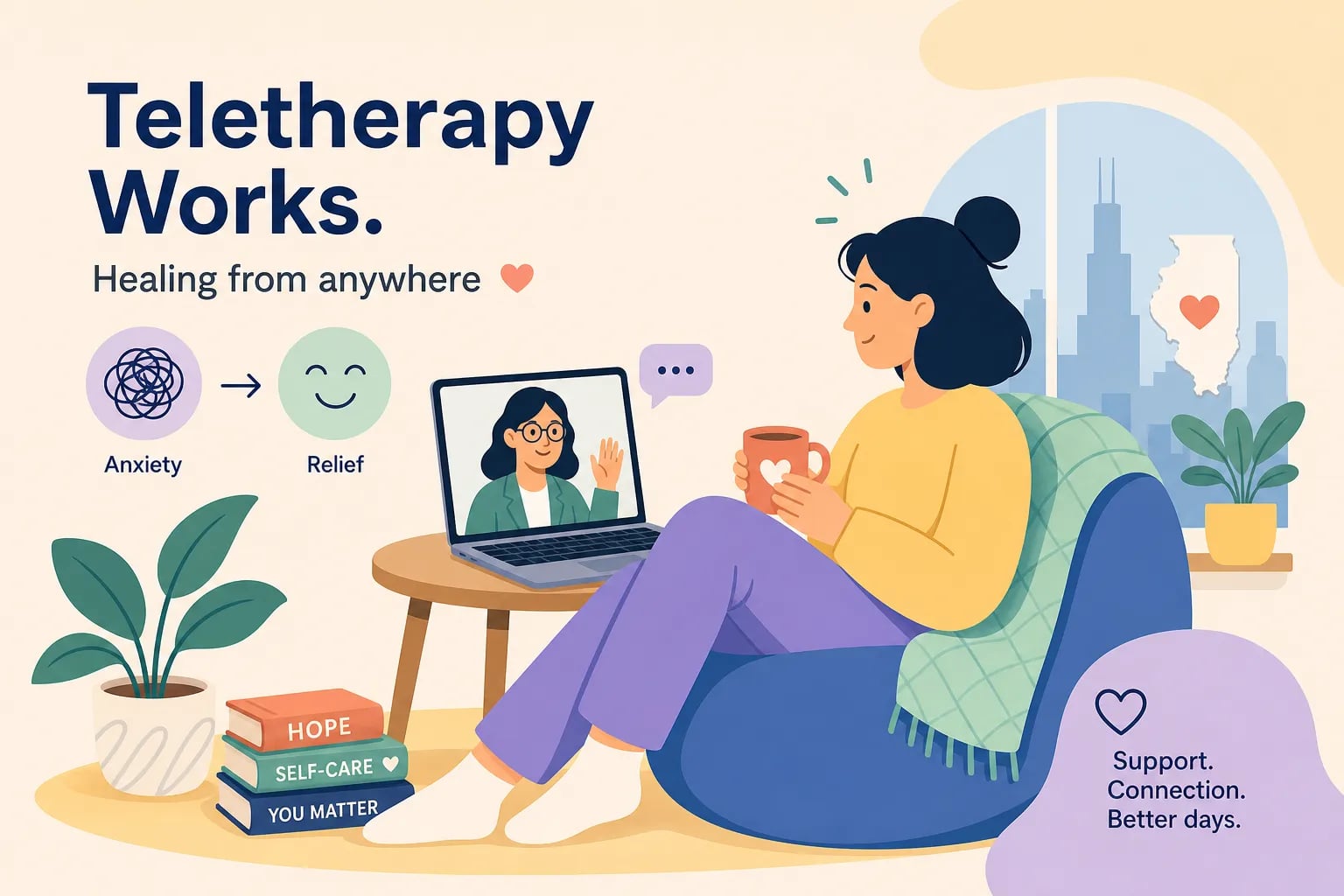
Comfort can come from simple things: a warm blanket, soft music, or sipping tea. These signals of safety help quiet emotional chaos and strengthen self-regulation skills over time.
5. Visualization Techniques
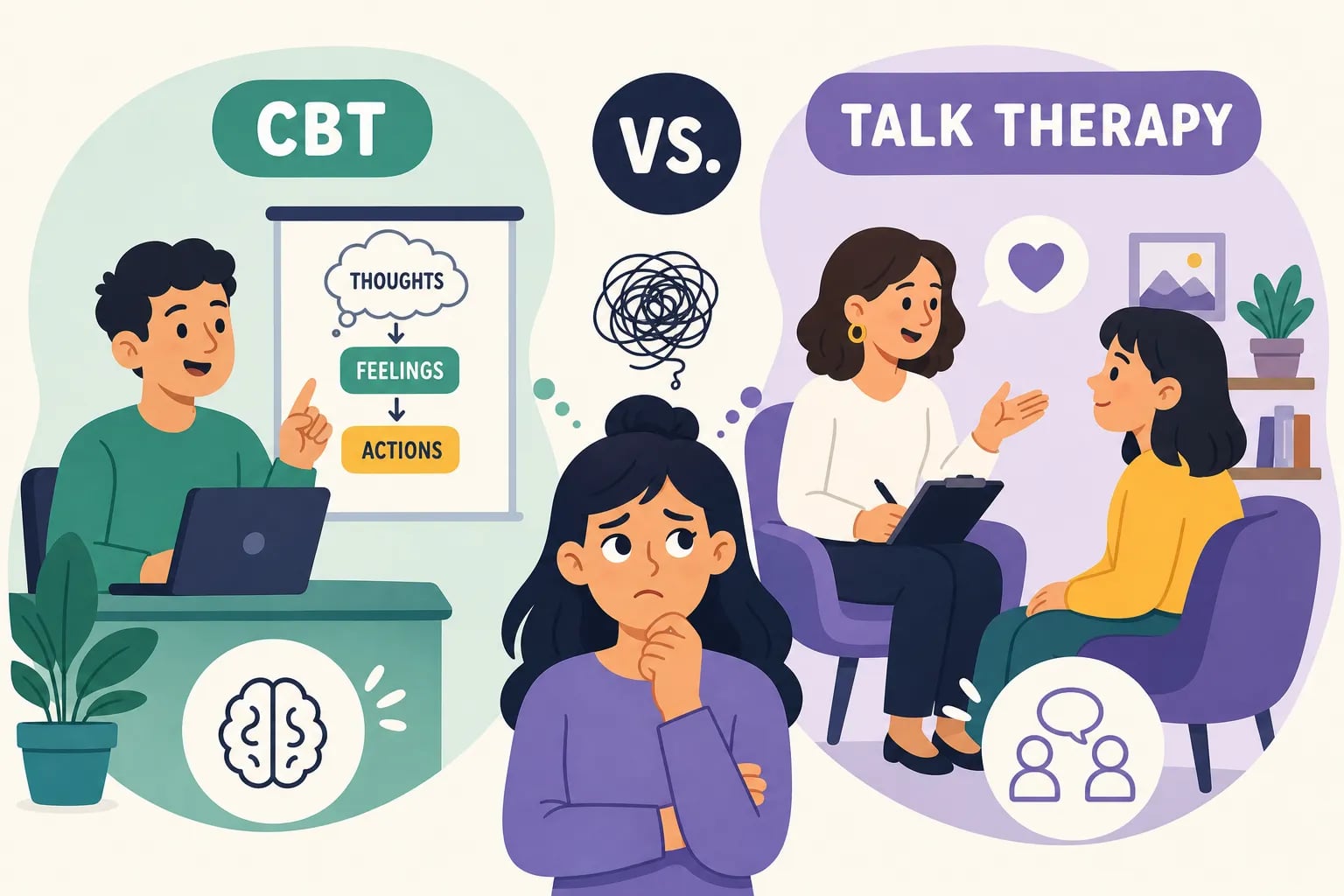
Imagining a safe, peaceful place or recalling a positive memory helps the body shift out of stress mode. Visualization is a core skill in many therapeutic approaches, including cognitive-behavioral therapy (CBT) and dialectical behavior therapy (DBT).
Local Spotlight: Emotional Wellness in Chicago
Chicago is home to a growing network of counselors and therapists helping people build resilience through evidence-based care. The city’s diverse communities make mental wellness a critical focus. Whether dealing with workplace pressure in the Loop or personal challenges in River North, support is available nearby.
River North Counseling Group LLC offers professional counseling that integrates practical tools, including mindfulness, emotional regulation techniques, and cognitive restructuring. Their team focuses on helping clients manage anxiety, depression, and emotional overwhelm using compassionate, structured care.
How Counseling Supports Self-Soothing Skills
Therapy offers a structured environment for learning emotional regulation techniques under the guidance of a professional. A counselor helps identify triggers, patterns, and beliefs that shape emotional responses. Together, clients and therapists create personalized strategies for long-term stability.
Self-soothing skills learned in counseling may include:
- Developing mindfulness routines to recognize early signs of distress
- Learning coping statements to replace negative thought cycles
- Using body-based relaxation techniques such as progressive muscle relaxation
- Setting boundaries to reduce emotional overload
- Building supportive daily routines that maintain emotional balance
These methods are especially useful for individuals navigating anxiety, trauma recovery, or mood disorders. Over time, self-soothing evolves into a reliable emotional toolkit.
Fast Facts About Emotional Regulation
| Topic | Key Insight |
|---|---|
| Stress Response | Self-soothing activates the parasympathetic nervous system, lowering heart rate and tension. |
| Therapy Integration | Emotional regulation training is a key part of DBT, CBT, and mindfulness therapy. |
| Common Tools | Grounding, visualization, and breathing exercises are among the most effective strategies. |
| Neuroplasticity | Regular self-regulation practice strengthens brain circuits tied to calm and focus. |
Common Questions Around Self-Soothing Strategies
What are the most effective self-soothing methods for anxiety?
For anxiety, grounding through the senses, practicing slow breathing, and engaging in gentle movement often provide relief. Focusing on external sensations—such as texture, sound, or temperature—can interrupt spiraling thoughts and ground the body in the present.
How can self-soothing help during emotional overwhelm?
When emotions become too intense, the nervous system becomes overwhelmed. Self-soothing slows that reaction by signaling safety. Techniques like wrapping in a blanket, using calm language, or visualizing safety help restore control.
Can self-soothing replace therapy?
Self-soothing is a powerful skill, but it works best in conjunction with therapy when possible. Professional guidance helps uncover deeper patterns that trigger distress and ensures healthy coping habits form over time.
How often should self-soothing be practiced?
It’s helpful to use small self-soothing habits daily, not just in crisis. Regular practice builds emotional muscle memory, making it easier to use these tools when needed most.
Call to Action
River North Counseling Group LLC
Chicago Office:
405 N Wabash Ave, Suite 3209
Chicago, Illinois 60611
Office: 312.467.0000
https://www.rivernorthcounseling.com
Additional Resources
For more information on emotional regulation and coping skills, explore these trusted sources:
- National Institute of Mental Health: Anxiety Disorders
- Psychology Today: Emotional Regulation
- NIH Study on Mindfulness and Emotional Regulation
self-soothing, emotional regulation, anxiety relief, mindfulness, therapy Chicago, River North counseling, coping skills, DBT, CBT, emotional wellness, stress management