

Everyone has an off day. A presentation falls flat. A game ends in defeat. A job interview does not go the way it was rehearsed. A recital, a sales call, a big meeting — whatever the arena, a bad performance can feel like a defining moment rather than a passing one. The sting can linger for hours, days, or even weeks if it goes unaddressed.
The good news is that how someone responds to a poor performance matters far more than the performance itself. Research in sport psychology and cognitive behavioral therapy consistently shows that recovery is a skill—one that can be learned, practiced, and strengthened over time. The steps outlined below offer a practical roadmap for moving forward without getting stuck.
Step 1: Allow the Emotional Response Without Letting It Run the Show
The instinct after a bad performance is often one of two extremes: either to suppress the frustration and pretend everything is fine, or to replay the failure on a loop and spiral into self-criticism. Neither approach leads to recovery.
Emotions after a setback are normal and valid. Disappointment, embarrassment, and frustration are natural responses to falling short of a goal. The key is to acknowledge those feelings without allowing them to solidify into a fixed narrative about personal worth or capability. There is a significant difference between thinking “that did not go well” and thinking “I am someone who always fails.”
Giving the emotional response a time limit can be a useful strategy. Allowing an hour or an evening to feel the disappointment — without judgment — and then making a deliberate choice to shift gears is a technique used in performance coaching, athletic recovery, and cognitive behavioral therapy alike.
Step 2: Separate the Performance from Your Identity
One of the most damaging patterns after a bad performance is what psychologists call over-generalization: treating a single negative event as evidence of a permanent, pervasive flaw. A stumble in a presentation becomes proof of incompetence. A missed deadline becomes a verdict on reliability. A bad game becomes the measure of an entire athletic career.
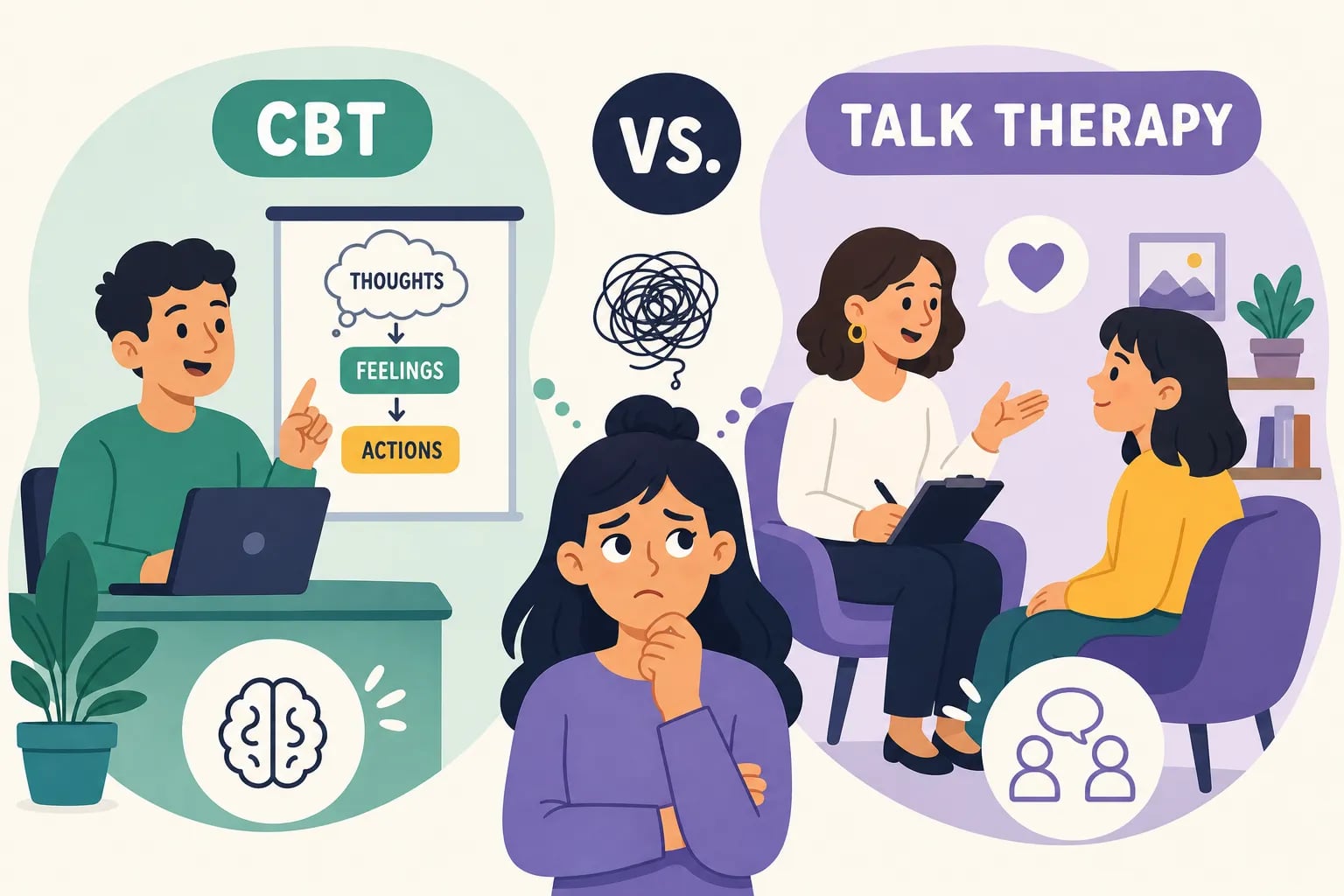
This kind of thinking is distorted, but it feels extremely convincing in the moment. Cognitive behavioral therapy (CBT) addresses this directly by helping individuals identify the specific thought patterns that emerge after setbacks and challenge them with more accurate, balanced alternatives.
A useful reframe: the performance was one event. It does not define capability, potential, or worth. High performers in every field — athletes, executives, musicians, surgeons — have bad days. What separates them from those who get stuck is not the absence of failure but the ability to metabolize it and move forward.
Step 3: Conduct a Constructive Review — Not an Interrogation
There is an important distinction between self-reflection and rumination. Rumination is repetitive, emotionally charged, and focused on blame. Self-reflection is purposeful, measured, and focused on learning.
After the initial emotional response has settled, a structured review of what happened is a powerful recovery tool. This does not mean nitpicking every detail. It means asking specific, forward-facing questions:
- What were one or two concrete factors that contributed to this outcome?
- What is within my control to address before the next opportunity?
- What did I do reasonably well, even if the overall result was not what I wanted?
- What would I tell a close friend or colleague if this had happened to them?
That last question is especially useful. Most people apply a level of compassion to others that they withhold entirely from themselves. Practicing self-compassion after a setback is not about lowering standards — it is about maintaining the emotional stability needed actually to improve.
Step 4: Reconnect with Purpose and Past Competence
A bad performance can temporarily overshadow everything else, making it hard to remember that the person experiencing it has a history of accomplishments, skills, and competence. This is why reconnecting with past evidence of capability is a meaningful step in recovery.
This might look like reviewing positive feedback received in the past, recalling a time when preparation paid off, or simply listing three to five genuinely strong skills. The goal is not to dismiss the recent setback but to place it in context—one data point among many rather than the only data point that counts.
Purpose is equally important. Returning to the “why” behind the goal — why this field, why this skill, why this endeavor matters — can restore motivation when a single event has temporarily undermined it.
Step 5: Rebuild Confidence Through Action
Confidence is not something that arrives after thinking about it long enough. It is rebuilt through action, specifically through small, successful experiences that counteract the sense of failure. In behavioral terms, this is called behavioral activation: taking deliberate steps toward competence-building rather than waiting to feel ready.
This might mean scheduling additional practice, taking a smaller version of the same challenge, asking a mentor for feedback, or returning to a skill that feels solid to rebuild momentum. The specifics depend on the context, but the principle is consistent: action creates evidence, and evidence rebuilds confidence.
Avoidance, by contrast, reinforces the fear. Staying away from the arena of the setback may feel protective in the short term, but it tends to amplify anxiety over time.
Step 6: Manage the Physical Dimension
Stress after a poor performance is not only psychological—it has a physical component. Cortisol levels rise. Sleep may be disrupted. Muscle tension increases. Appetite shifts. These physical effects can reinforce emotional distress, creating a feedback loop that makes recovery harder.
Basic physical recovery practices — adequate sleep, movement, hydration, and reduced caffeine or alcohol intake — support the brain’s ability to regulate emotions and process experiences. This is not a minor point. Neuroscience research consistently links physical state to cognitive flexibility and emotional resilience. Taking care of the body after a stressful event is part of the mental recovery process.
Step 7: Know When Professional Support Helps
For some people, recovery after a bad performance is quick and relatively straightforward. For others, especially those dealing with performance anxiety, perfectionism, a history of harsh self-criticism, or patterns of depression, the recovery process is slower and more complicated.
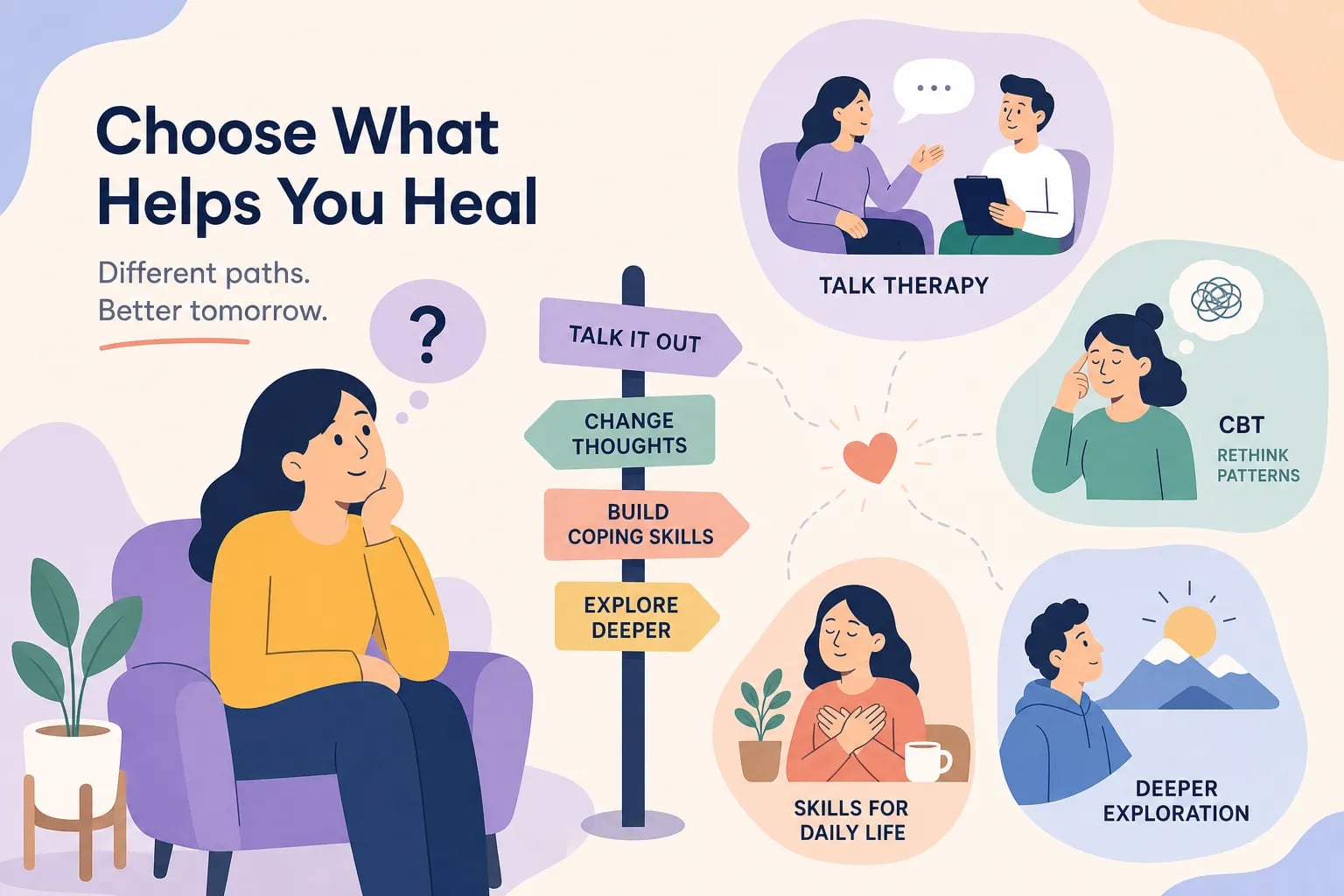
When self-critical thoughts are persistent, when avoidance has set in, when a single setback triggers disproportionate distress, or when performance anxiety has begun to interfere with daily functioning, working with a licensed therapist can make a meaningful difference. Therapists trained in cognitive behavioral therapy, acceptance and commitment therapy (ACT), and sport or performance psychology are especially well-equipped to address these patterns.
Therapy in this context is not about addressing weakness. It is about building the psychological tools to perform at a higher level, process setbacks more effectively, and sustain well-being through the inevitable ups and downs of any high-stakes pursuit.
The Bigger Picture: Resilience as a Learnable Skill
Resilience is not a fixed trait that some people are born with and others lack. It is a capacity that develops through experience, intentional practice, and — when necessary — professional support. Every setback well navigated becomes evidence that the next one can be navigated, too.
The goal is not to become someone who never has a bad performance. The goal is to become someone who knows exactly what to do when one happens.
Frequently Asked Questions
How do you mentally recover after a poor performance?
Mental recovery after a poor performance typically involves acknowledging the emotional response without overidentifying with it, separating the event from personal worth, conducting a structured, compassionate review, and taking deliberate action to rebuild confidence. In cases where anxiety or self-criticism is persistent, working with a licensed therapist can accelerate and deepen the recovery process.
Why do I feel so bad after making a mistake at work?
Feeling distressed after a work mistake is common and often reflects high personal standards. However, when the distress is disproportionate or long-lasting, it may indicate patterns like perfectionism, over-generalization, or performance anxiety. Cognitive behavioral therapy can help identify and shift the thought patterns that amplify distress after normal workplace setbacks.
How long does it take to bounce back after a bad performance?
Recovery time varies widely depending on the severity of the setback, the individual’s history with similar experiences, and the coping strategies in use. Many people experience significant emotional recovery within 24 to 72 hours when using active recovery strategies. Those dealing with underlying anxiety, perfectionism, or depression may benefit from professional support to avoid prolonged distress.
Can therapy help with performance anxiety and recovery?
Yes. Therapists trained in cognitive behavioral therapy (CBT), acceptance and commitment therapy (ACT), and performance psychology offer evidence-based approaches that address both the anxiety that precedes performance and the distress that follows a setback. Therapy can help develop lasting tools for self-regulation, confidence-building, and resilience.
What is the difference between self-reflection and rumination?
Self-reflection is purposeful and forward-focused — it asks what can be learned and what can be done differently. Rumination is repetitive and emotionally charged — it replays the event without resolution and tends to reinforce self-blame. Productive recovery relies on self-reflection; rumination is a pattern that often benefits from therapeutic intervention.
Connect with River North Counseling Group LLC
If performance anxiety, persistent self-criticism, or difficulty recovering from setbacks is affecting quality of life or professional functioning, support is available. The licensed therapists at River North Counseling Group LLC in Chicago work with individuals navigating performance-related stress, anxiety, perfectionism, and related concerns using evidence-based approaches tailored to each person’s needs.
River North Counseling Group LLC
405 North Wabash Avenue
Suite 3209
Chicago, Illinois 60611
Office: 312.467.0000
https://www.rivernorthcounseling.com