

How trauma impacts the mind, body, and relationships—and how therapy can help you heal.
What Is Trauma?
Trauma is a psychological and emotional response to distressing events that overwhelm an individual’s ability to cope. It can stem from a wide range of experiences, such as:
- Emotional, physical, or sexual abuse
- Domestic violence
- Car accidents or medical emergencies
- Natural disasters
- The sudden loss of a loved one
- Neglect or abandonment
- Bullying
- Witnessing violence or crime
Trauma can be immediate or cumulative and affects everyone differently. For many, the effects are long-lasting, especially if the trauma is left unaddressed.
📍 Learn more about our trauma counseling services
Types of Trauma
Understanding the type of trauma experienced can help individuals and therapists tailor the healing process:
1. Acute Trauma
Triggered by a single traumatic event, such as an assault, accident, or natural disaster.
2. Chronic Trauma
Results from prolonged exposure to stress, such as ongoing domestic abuse, bullying, or living in a war zone.
3. Complex Trauma
Involves multiple, repeated traumatic events, often beginning in childhood. Complex trauma can profoundly affect one’s emotional regulation and sense of safety.
4. Secondary or Vicarious Trauma
Experienced by professionals like healthcare workers, counselors, or family members who care for trauma survivors.
Long-Term Psychological and Physical Effects of Trauma
Trauma doesn’t just live in the past—it shows up in everyday life. The long-term impact of trauma can include:
1. Mental Health Conditions
- Post-Traumatic Stress Disorder (PTSD): Flashbacks, nightmares, hypervigilance.
- Depression and Anxiety: Feelings of hopelessness, excessive worry, panic attacks.
- Low Self-Worth: Self-blame, guilt, or chronic feelings of shame.
📍 Explore anxiety and depression therapy options
2. Emotional Dysregulation
- Difficulty managing emotions
- Mood swings
- Emotional numbness or detachment
3. Behavioral Changes
- Social withdrawal
- Substance abuse or disordered eating
- Risky or self-harming behaviors
4. Physical Symptoms
- Sleep disturbances and chronic fatigue
- Gastrointestinal issues
- Tension headaches or body aches
- Increased risk for chronic illness
📍 Get help with stress-related physical symptoms
Childhood Trauma: A Lasting Impact
Early traumatic experiences, known as Adverse Childhood Experiences (ACEs), can shape brain development and emotional health well into adulthood. Adults who experienced childhood trauma may struggle with:
- Building and maintaining healthy relationships
- Emotional regulation and trust
- Mental health issues like anxiety, depression, or personality disorders
- Difficulty in work or academic settings
📍 Read more about how childhood trauma impacts adult life
The Connection Between Trauma and the Brain
Trauma affects several key areas of the brain:
- Amygdala: Heightens emotional responses like fear and anxiety.
- Hippocampus: Disrupts memory processing, which can result in fragmented or vivid recall.
- Prefrontal Cortex: Impairs reasoning, focus, and impulse control.
These changes can lead to a prolonged “fight-or-flight” response, even in non-threatening situations.
Why It’s Crucial to Address Trauma
Unresolved trauma doesn’t fade with time—it often intensifies. Suppressed trauma can manifest in destructive patterns, strained relationships, and chronic mental or physical health conditions.
Working with a licensed trauma therapist provides a safe space to explore these experiences and begin the healing journey.
📍 Schedule a confidential trauma counseling session
Therapeutic Approaches for Trauma Healing
Therapy is one of the most effective ways to process and overcome trauma. Common trauma-informed approaches include:
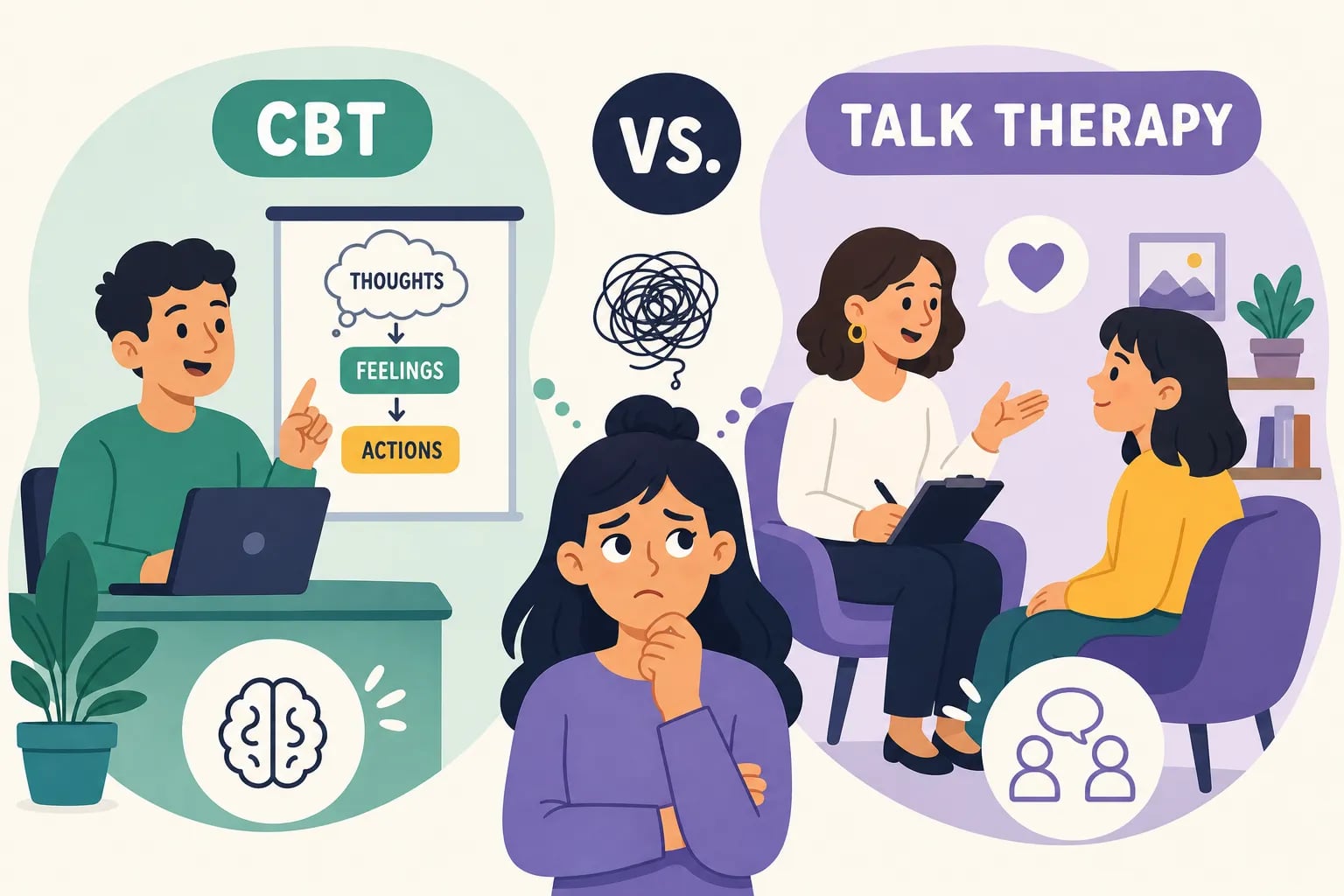
- Cognitive Behavioral Therapy (CBT): Identifies and reframes unhelpful thought patterns.
- Eye Movement Desensitization and Reprocessing (EMDR): Reduces emotional distress tied to traumatic memories.
- Somatic Therapy: Focuses on the physical sensations of trauma stored in the body.
- Internal Family Systems (IFS): Helps individuals understand and integrate different “parts” of themselves shaped by trauma.
- Trauma-Informed Counseling: Emphasizes safety, empowerment, and collaboration throughout the healing process.
📍 Learn more about EMDR therapy for trauma
Tips for Navigating Trauma Recovery
Healing from trauma is a journey that requires time, support, and patience. Here are some tips to support long-term recovery:
- Work with a trauma-informed therapist
- Practice mindfulness and grounding techniques
- Build a supportive network of safe relationships
- Establish healthy routines and sleep habits
- Avoid unhealthy coping mechanisms
- Journal or engage in creative self-expression
📍 Try these five grounding techniques for trauma recovery
When to Seek Professional Help
If trauma symptoms are interfering with your daily life, relationships, or sense of well-being, it may be time to reach out to a licensed therapist. Symptoms to watch for include:
- Persistent anxiety or panic
- Nightmares or flashbacks
- Emotional numbness
- Substance misuse
- Difficulty functioning at work or in relationships
You don’t have to carry the weight of trauma alone. With compassionate support and practical therapeutic tools, healing is possible.
📍 Contact us today to start your healing journey
Final Thoughts: You Deserve Healing
Understanding trauma and its long-term effects is a critical step toward healing and personal growth. Trauma may have shaped your past, but it does not have to define your future.
With the right support—from trauma-informed counseling to evidence-based therapy—you can move beyond survival and begin to thrive.
For trauma counseling services, please visit https://www.rivernorthcounseling.com or call now. (312) 467-0000.