
Testing vs Therapy: When Each Option Makes the Most Sense
Psychological testing and therapy serve different purposes, but they can also work well together. Testing can help clarify questions about symptoms, diagnosis, attention, personality, learning, or emotional functioning. Therapy focuses more directly on reducing distress, changing unhelpful patterns, building coping skills, and improving daily life. For people in Chicago unsure where to begin, the best starting point depends on the question you need answered.
Feeling anxious, distracted, overwhelmed, depressed, or stuck does not automatically point to one mental health service. Some concerns call for treatment. Others may benefit from a more detailed assessment. In some situations, psychological testing and therapy can be useful at different stages of care.
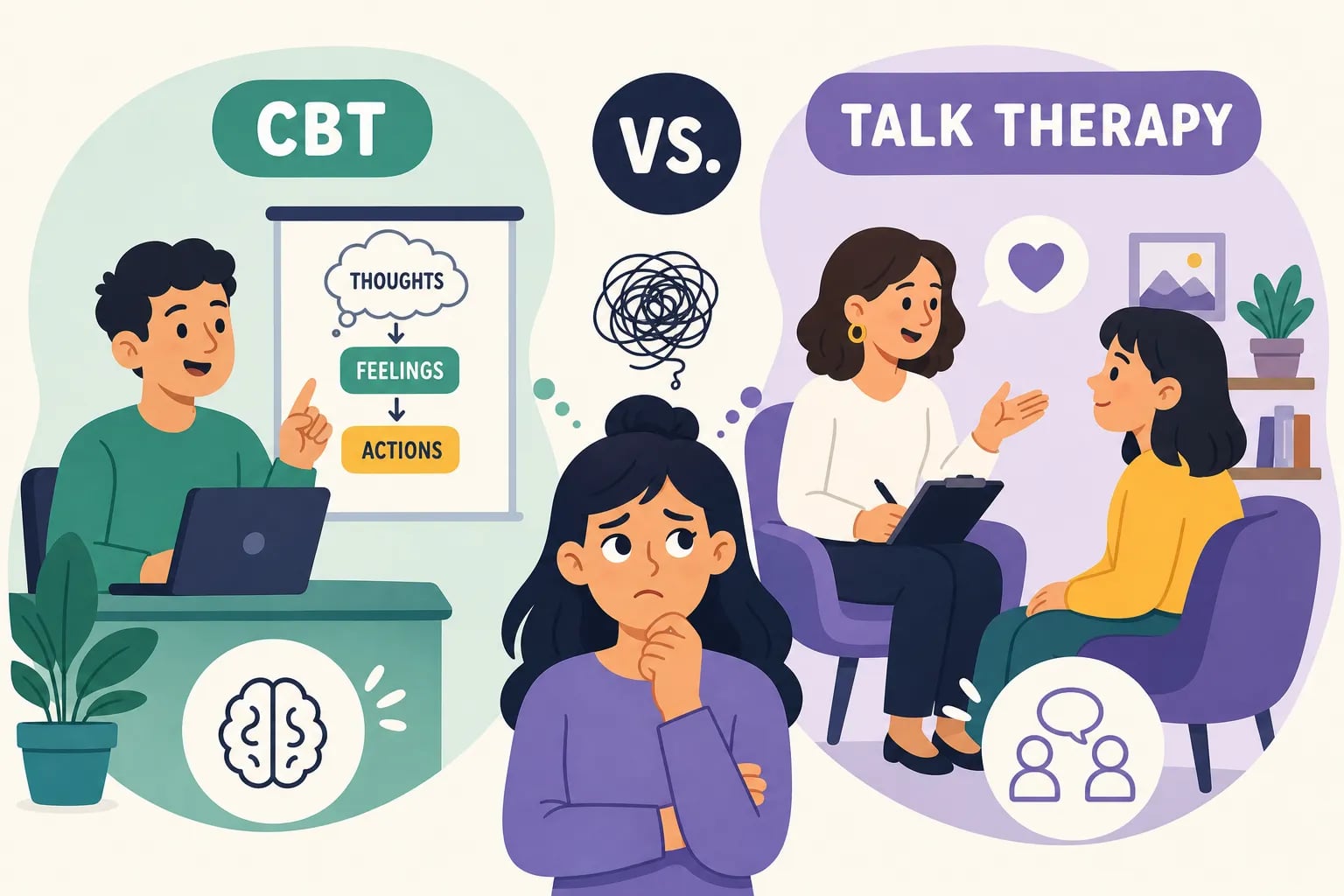
Psychological testing gathers structured information about a person’s functioning. A psychological evaluation may combine standardized measures with interviews, history, observations, records, and other relevant information. Therapy has a different purpose. Psychotherapy uses clinical methods and an ongoing therapeutic relationship to address emotions, thoughts, behaviors, relationships, coping skills, and mental health symptoms.
Understanding the distinction can make it easier to choose an appropriate next step without treating testing and therapy as competing services.
Psychological Testing vs Therapy: What Is the Main Difference?
The simplest distinction involves the question each service is designed to answer.
Psychological testing often helps answer, “What may be contributing to these difficulties?”
Therapy is more likely to focus on “What can be done about these difficulties?”
That distinction is useful, but mental health care is often more nuanced. Assessment can influence treatment, and information uncovered during therapy may reveal that formal testing would be helpful.
The American Psychological Association explains that psychological tests and other assessment tools can help clinicians understand behavior and support diagnosis and treatment decisions. A comprehensive assessment may include standardized tests, interviews, medical or educational records, observations, and information from other appropriate sources.
Therapy, also called psychotherapy or talk therapy, is an intervention rather than primarily a measurement process. The National Institute of Mental Health describes psychotherapy as a range of treatments intended to help people identify and change troubling emotions, thoughts, and behaviors.
When Psychological Testing May Make More Sense
Testing can be particularly useful when the central problem is uncertainty.
A person may know something is interfering with work, school, relationships, organization, or emotional well-being but not understand why. Similar symptoms can sometimes appear across different conditions. Trouble concentrating, for example, can occur alongside attention difficulties, anxiety, depression, sleep problems, severe stress, or other health concerns.
Formal psychological assessment may help organize that complicated picture.
Consider testing when there are questions about attention and concentration, cognitive abilities, personality characteristics, emotional functioning, learning concerns, diagnostic clarification, or treatment planning. The exact evaluation depends on the referral question, age, symptoms, history, and clinical circumstances.
Do not view testing as a pass-or-fail examination. Standardized psychological measures are clinical tools. Their value comes from selecting appropriate measures and interpreting the results within the broader context of the person being evaluated.
An online questionnaire can be a useful screening tool, but screening and comprehensive psychological assessment are not the same. A brief screening may identify signs that deserve additional attention. It usually cannot provide all the information a professionally conducted evaluation can.
When Therapy Is Usually the Better Starting Point
Not every person experiencing emotional distress needs psychological testing before beginning therapy.
When the primary concerns and treatment goals are reasonably clear, therapy may be the more direct route. Someone experiencing persistent worry, grief, relationship conflict, stress, low mood, difficulty adjusting to change, or unhelpful behavioral patterns may benefit from starting psychotherapy without first completing an extensive testing process.
Therapy creates a structured setting to examine what is happening and work toward change. Depending on a person’s needs and the clinician’s approach, sessions may focus on identifying thought patterns, developing coping skills, improving communication, changing behaviors, processing difficult experiences, or managing emotional reactions.
Treatment is not limited to people who have received a formal psychiatric diagnosis. Psychotherapy can also address stressful life events, family concerns, interpersonal problems, work pressures, and other challenges affecting daily functioning.
Testing Provides a Snapshot While Therapy Follows Change Over Time
Another important difference is time.
A psychological evaluation typically seeks to answer one or more defined clinical questions. Clinicians collect, interpret, and integrate information into findings or recommendations. Depending on the evaluation, the process can involve several stages.
Therapy is usually more continuous. Goals can change as treatment progresses. A concern that initially looks like work stress may eventually reveal additional patterns involving anxiety, relationships, self-esteem, grief, or earlier experiences.
This does not make therapy less structured. Effective psychotherapy should have a purpose. Treatment can include defined goals and ways of monitoring progress while still allowing room for new information.
Testing and therapy therefore offer different kinds of clinical information. Assessment can provide concentrated data about functioning at a particular point. Therapy offers an opportunity to understand and address patterns as they emerge over weeks or months.
Local Spotlight: Choosing Mental Health Services in Chicago
People living and working in Chicago may experience mental health concerns in several overlapping settings. Concentration problems can affect a demanding job. Anxiety may interfere with commuting, social activities, relationships, sleep, or professional responsibilities. Family and academic concerns can create questions about whether symptoms reflect temporary stress or a more persistent issue.
For residents of River North and surrounding Chicago neighborhoods, location can also matter when deciding how to receive care. An accessible practice may make it easier to attend appointments consistently, especially when treatment or assessment requires multiple visits.
River North Counseling Group LLC is located in Chicago’s River North area. People considering counseling, psychotherapy, or psychological testing can contact the practice to discuss available services and whether a particular type of care may fit their needs.
When Testing and Therapy Work Together
Choosing psychological testing does not necessarily mean choosing it instead of therapy.
Sometimes an evaluation comes first. The findings may clarify symptoms and help shape a more individualized treatment plan. A person can then enter therapy with additional information about areas that may deserve attention.
The order can also be reversed.
Someone may begin therapy because anxiety, concentration problems, mood changes, or relationship difficulties are interfering with daily life. As treatment progresses, questions may emerge that are difficult to answer through clinical interviews alone. A therapist might then discuss whether a more formal psychological evaluation could add useful information.
In other cases, testing and therapy may occur during the same general period, depending on clinical needs and provider recommendations.
This combined approach can be valuable when symptoms overlap. Attention problems provide a useful example. Difficulty concentrating does not by itself establish a specific diagnosis. Anxiety, depression, stress, sleep disruption, medical issues, and other factors can affect concentration. A careful assessment considers the broader clinical picture instead of relying on one symptom.
Making the Choice Based on the Clinical Question
The decision becomes easier when the focus shifts from simply choosing a service to identifying the question that needs an answer.
Testing may be worth discussing when there is significant uncertainty about why difficulties are occurring or when detailed documentation of psychological or cognitive functioning is needed. Therapy may be appropriate when the main goal is to address established concerns and begin making changes.
Several practical considerations can help guide that conversation:
- Consider the main goal. Diagnostic clarification points more strongly toward assessment, while symptom relief and behavioral change often point toward therapy.
- Look at the level of uncertainty. Overlapping or confusing symptoms may create a stronger reason to consider formal testing.
- Consider daily functioning. Difficulties at work, school, home, or in relationships can help determine the appropriate evaluation or treatment.
- Review previous treatment. Limited improvement can sometimes raise new questions about diagnosis, treatment fit, or contributing factors.
- Ask a qualified clinician. A consultation can help determine whether therapy, testing, another health evaluation, or a combination makes sense.
Physical health should also remain part of the discussion. Changes in concentration, energy, mood, sleep, and behavior can sometimes have medical causes. Depending on the symptoms, a mental health professional may recommend consultation with a physician or another health care provider.
What to Expect From Psychological Assessment
A psychological evaluation generally begins with a referral question. That question determines what information to gather.
An evaluation may involve a clinical interview, standardized psychological measures, questionnaires, behavioral observations, and a review of relevant history or records. Not every evaluation includes every component. Select the process based on the individual and the purpose of the assessment.
Interpretation is an important part of the process—do not treat it as a diagnosis in isolation. Psychological assessment involves integrating multiple sources of information and considering context.
The resulting findings may help clarify strengths, difficulties, possible diagnoses, and treatment considerations. Recommendations depend on what the evaluation was designed to examine.
What to Expect When Beginning Therapy
The early stage of therapy typically includes discussion of symptoms, history, current stressors, goals, and areas of concern. The therapist may also ask about relationships, work, school, health, sleep, previous treatment, or other factors relevant to the presenting problem.
From there, treatment can become more focused.
A person with anxiety may work on patterns of worry, avoidance, physical arousal, or fear. Someone struggling with depression may focus on mood, activity, relationships, motivation, or unhelpful thought patterns. Other clients may concentrate on communication, emotional regulation, life transitions, trauma-related concerns, or stress management.
The treatment approach should reflect the person’s needs, clinical presentation, preferences, and the therapist’s training.
Common Questions Around Testing vs Therapy
Do psychological tests replace therapy?
No. Psychological testing and psychotherapy perform different functions. An evaluation can clarify psychological functioning and support treatment planning, while therapy focuses on addressing symptoms, behaviors, emotions, thoughts, relationships, or coping patterns. Some people benefit from both.
Should therapy or psychological testing come first?
There is no universal order. Testing may come first when diagnostic clarification is the primary concern. Therapy may come first when the problem and treatment goals are already reasonably clear. A qualified clinician can help determine an appropriate sequence.
Can therapy help without a formal diagnosis?
Therapy can address many forms of emotional distress and life difficulty, including stress, grief, relationship problems, transitions, and coping concerns. Whether a formal diagnosis is necessary can depend on clinical, administrative, and insurance factors.
Can psychological testing diagnose ADHD, anxiety, or depression?
Psychological assessment can contribute important information when evaluating attention, emotional functioning, and other mental health concerns. Diagnosis should be based on an appropriate clinical evaluation rather than one isolated test score. The specific process depends on the condition being considered and individual circumstances.
What if therapy has not been helping?
Limited improvement can be a reason to review treatment goals, diagnosis, therapeutic approach, outside stressors, physical health, and other possible contributors. In some cases, additional assessment may help clarify unanswered questions. A lack of progress does not automatically mean psychological testing is required.
Related Terms
- Psychological testing
- Psychological assessment
- Psychotherapy
- Mental health evaluation
- Diagnostic clarification
Additional Resources
American Psychological Association: Understanding Psychological Testing and Assessment
National Institute of Mental Health: Psychotherapies
MedlinePlus: Mental Health Screening
Expand Your Knowledge
American Psychological Association: Testing, Assessment, and Measurement
American Psychological Association: Psychotherapy
National Institute of Mental Health: Help for Mental Illnesses
Schedule Counseling or Psychological Testing in Chicago
For questions about therapy, psychological testing, or which service may be an appropriate starting point, contact:
River North Counseling Group LLC
405 North Wabash Avenue
Suite 3209
Chicago, Illinois 60611
Office: 312.467.0000
Website: https://www.rivernorthcounseling.com
Relevant words and Tags
Primary word: testing vs therapy
Relevant words: psychological testing Chicago, psychological assessment Chicago, therapy Chicago, psychotherapy Chicago, mental health testing, psychological evaluation, diagnostic clarification, psychological testing vs therapy, counseling River North Chicago, mental health evaluation Chicago.
Psychological Testing, Therapy, Psychological Assessment, Chicago Counseling, Mental Health
“`