

Social Anxiety in Children: Confidence Skills That Transfer to School
Social anxiety can make ordinary school experiences feel threatening. Speaking in class, joining a group, eating in the cafeteria, or asking a teacher for help may trigger intense worry. Children can build confidence through small, repeated practice supported by caregivers, teachers, and mental health professionals. Skills learned in counseling and at home can transfer to classrooms, friendships, activities, and other parts of daily life.
A child who stays quiet at school is not always calm. Some children remain silent because they fear saying the wrong thing, being laughed at, blushing, stumbling over their words, or attracting unwanted attention. Their anxiety may be hidden behind good behavior, strong grades, frequent stomachaches, irritability, or repeated requests to stay home.
Social anxiety is more than occasional shyness. Shyness is a common temperament trait, and many children need extra time to feel comfortable in unfamiliar settings. Social anxiety becomes more concerning when fear repeatedly limits participation, friendships, learning, independence, or enjoyment. A child may want to raise a hand, attend a birthday party, or sit with classmates but feel unable to act.
The goal is not to turn a quiet child into the most outgoing student in the room. Healthy progress means helping the child participate in meaningful activities without allowing fear to make every decision. Confidence often grows after a child takes a manageable action, not before.
How Social Anxiety Can Appear at School
School places children in situations where they may feel watched or evaluated. A student may need to read aloud, answer unexpected questions, work with unfamiliar classmates, change clothes for physical education, perform onstage, or enter a crowded lunchroom. Even routine moments can feel risky when a child expects embarrassment or rejection.
Possible signs include avoiding eye contact, speaking very softly, refusing to participate, sitting alone, depending heavily on one friend, or becoming distressed before presentations. Some children repeatedly visit the nurse with headaches, nausea, dizziness, or stomach pain. Others may freeze when called on, forget material they knew at home, or become tearful and angry while preparing for school.
Older children may avoid clubs, sports, dances, group projects, or conversations with teachers. They may spend hours reviewing what they said during a brief interaction. A minor mistake can feel like proof that other people view them negatively.
These behaviors should not automatically be treated as defiance. Avoidance can provide immediate relief, which teaches the brain that escape is the safest response. The relief does not last. The next social situation may feel even more dangerous because the child did not have an opportunity to discover that discomfort can pass.
Shyness, Social Anxiety, and Selective Mutism
A shy child may hesitate at first but gradually become comfortable. A child experiencing social anxiety may remain highly distressed, even in familiar settings. Selective mutism is a separate anxiety-related condition in which a child consistently cannot speak in certain situations despite speaking comfortably elsewhere. For example, a child may talk freely at home but be unable to speak at school.
Only a qualified professional can diagnose a mental health condition. A thoughtful evaluation considers the child’s development, temperament, family history, school environment, physical health, communication skills, cultural background, and possible learning differences.
Confidence Skills Children Can Use in the Classroom
Confidence skills work best when they are specific, observable, and practiced in realistic situations. Telling a child to “be confident” is usually too broad. A more useful direction might be, “Look toward the teacher, take one slow breath, and ask the prepared question.”
The following skills can support gradual participation:
- Use a calming breath before acting. A slow exhale can reduce physical tension and create a brief pause before speaking, entering a room, or joining a group.
- Prepare one opening sentence. A child can rehearse phrases such as “Can I sit here?” “What page are we on?” or “Would you like to work together?”
- Break a feared task into steps. Reading to a caregiver may come before reading to a teacher, a small group, and then the class.
- Practice flexible thinking. Children can learn to replace “Everyone will laugh” with “Someone may notice, but most people will move on quickly.”
- Track brave actions. A simple record of attempts helps children notice progress that anxiety might otherwise dismiss.
These tools are not meant to erase anxiety immediately. A child can feel nervous and still complete a valued action. That experience teaches an important lesson: discomfort is temporary, and anxiety does not have complete control.
Why Gradual Practice Builds Lasting Confidence
A child who fears classroom participation may need a gradual practice plan. The first step should create mild or moderate discomfort without feeling overwhelming. One student might begin by making eye contact with the teacher. Another might submit a written answer before practicing a spoken response.
Repeated practice matters. Completing a difficult action once can feel encouraging, but repetition helps the brain update its expectations. The child begins to learn that a racing heart does not signal actual danger, small mistakes are survivable, and other students are often focused on themselves.
Adults should praise effort with specific language. “That was brave because the question felt uncomfortable and it was asked anyway” is more helpful than “There was nothing to worry about.” Dismissing the fear may leave the child feeling misunderstood. Recognizing both the discomfort and the action supports emotional awareness.
Helping Skills Transfer From Home to School
A coping skill is most useful when a child can apply it in several settings. Practice at home provides a low-pressure starting point, but the plan should include clear ways to carry the skill into school.
Role-play can help a child rehearse common situations. A caregiver might pretend to be a classmate, teacher, coach, or cafeteria worker. The child can practice ordering food, asking to join a game, requesting clarification, or responding when someone disagrees.
The practice should remain brief and realistic. Correcting every word can make the exercise feel like another performance test. The goal is to increase willingness and flexibility, not produce a flawless script.
Visual reminders can support transfer. A discreet note inside a folder might say, “Breathe, look up, say the first sentence.” Younger children may use a small symbol, color, or drawing. Older students may keep a short reminder on a phone when school rules permit.
Caregivers and school staff can also agree on a consistent response. A teacher might give the child advance notice before calling on them, allow a planned signal for requesting help, or begin with paired discussion before whole-class participation. Helpful support makes engagement possible without removing every challenge.
Working With Teachers and School Support Teams
Communication with the school can prevent a child’s behavior from being misunderstood. A quiet student may be viewed as uninterested, unprepared, or unwilling to cooperate. Sharing relevant information helps staff respond with support rather than pressure or punishment.
A useful school plan identifies situations that trigger distress, signs that anxiety is rising, coping tools the child already knows, and the next realistic participation goal. Progress should be measured by attempts and increased independence, not only by visible calmness.
Some children may qualify for formal school support based on their individual needs. Families can discuss concerns with the teacher, school counselor, psychologist, social worker, pediatrician, or treating clinician. Recommendations should reflect the child’s symptoms and educational setting rather than a generic plan.
Local Spotlight: Supporting Children in Chicago
Children attending school in Chicago may move between busy classrooms, crowded public spaces, after-school programs, sports, and activities across several neighborhoods. A student who manages anxiety in one predictable classroom may still struggle on public transportation, in a new extracurricular group, or during large school events.
Urban life can provide many practice opportunities when they are approached gradually. A child might begin by greeting a building staff member, asking a simple question in a store, ordering at a quiet counter, or attending part of a community activity. Each task can be adjusted to the child’s age and current comfort level.
Caregivers should avoid turning every outing into a test. Planned practice is most effective when the child understands the goal, has rehearsed the needed skill, and knows how long the activity will last. Rest and unstructured family time remain important.
Families seeking child anxiety therapy in Chicago may benefit from a clinician who can coordinate practical goals across home and school. Counseling may include child sessions, caregiver guidance, communication with school professionals when appropriate, and structured practice between appointments.
How Counseling May Help a Socially Anxious Child
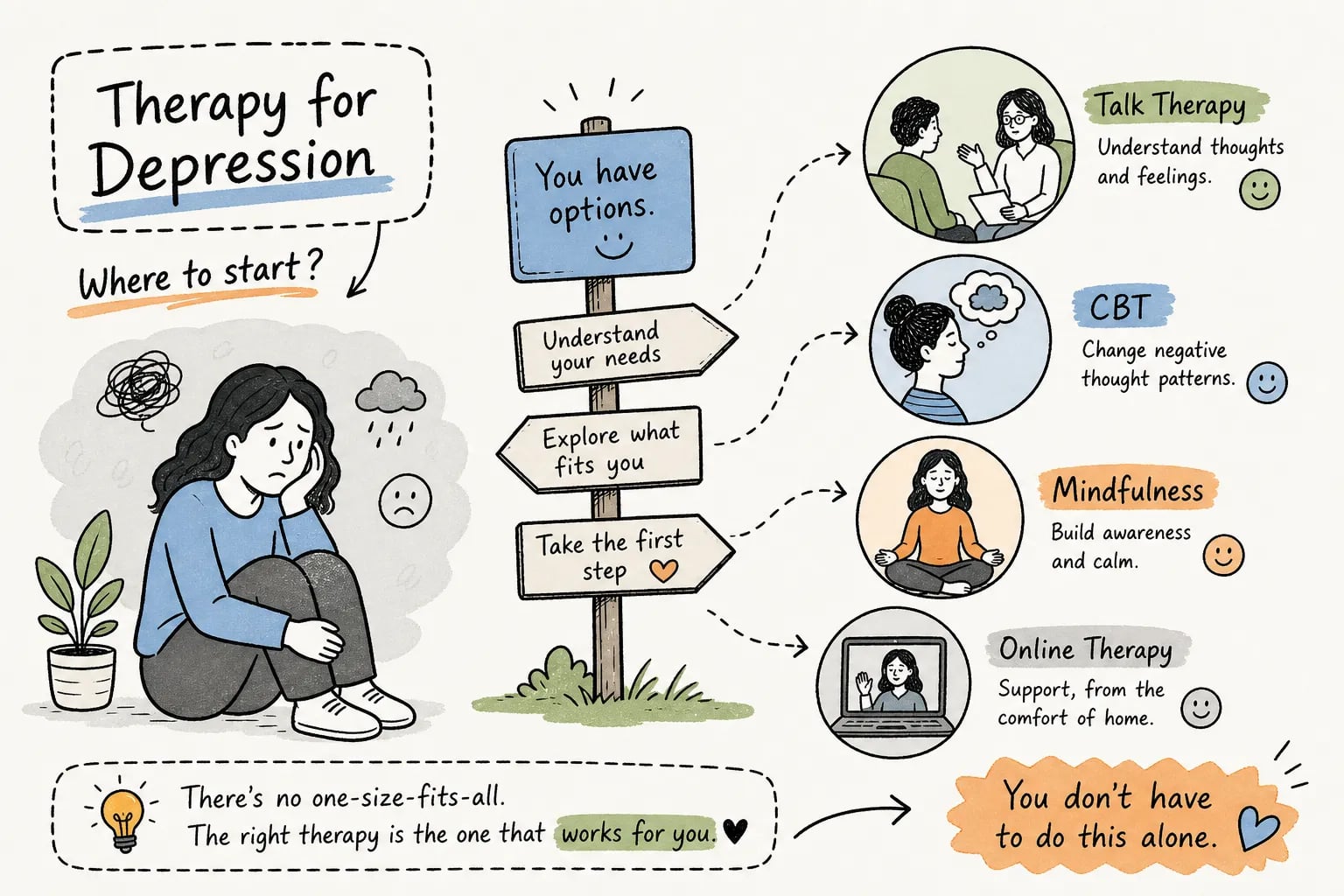
Cognitive behavioral therapy, often called CBT, is commonly used for social anxiety. It helps children notice anxious predictions, examine unhelpful thinking patterns, develop coping responses, and gradually face avoided situations. Exposure-based practice is often included as part of CBT and should be planned at an appropriate pace.
Treatment may also address emotional regulation, assertive communication, friendship skills, problem-solving, self-compassion, and caregiver responses. Children with learning differences, attention concerns, depression, bullying experiences, or communication challenges may need a broader plan.
Caregiver participation can be important. Adults sometimes accommodate anxiety by speaking for the child, canceling activities, answering every question, or allowing repeated escape from school. These choices are understandable because they reduce immediate distress. Counseling can help caregivers offer warmth and support while encouraging manageable independence.
Medication may be considered in some cases after an evaluation by an appropriate medical professional. Decisions about medication should account for symptom severity, age, health history, treatment response, side effects, and family preferences. Counseling practices that do not prescribe medication may coordinate with a pediatrician, psychiatrist, or other qualified prescriber.
When Additional Support May Be Appropriate
Professional support may be useful when anxiety persists, causes significant distress, or interferes with attendance, learning, friendships, activities, sleep, or family routines. Frequent physical complaints without a clear medical cause may also warrant attention. A pediatric evaluation can help rule out health concerns that could contribute to symptoms.
Urgent help is needed when a child talks about suicide, self-harm, or feeling unsafe. Families in the United States can call or text 988 for the Suicide & Crisis Lifeline. Emergency services should be contacted when there is an immediate danger.
Common Questions Around Social Anxiety in Children
Can a child have social anxiety and still have friends?
Yes. Some children feel secure with one or two familiar friends but experience strong fear around new peers, groups, authority figures, or performance situations. Having friendships does not rule out social anxiety.
Does social anxiety affect school performance?
It can. A child may understand the material but avoid asking questions, participating in discussions, giving presentations, or seeking help. Anxiety can also affect concentration and memory during stressful moments.
Should parents speak for an anxious child?
Occasional support may be appropriate, especially when distress is intense. Habitually speaking for the child can strengthen avoidance. A gradual plan might involve prompting the child, sharing part of the response, and then reducing help as confidence grows.
Can social anxiety cause stomachaches before school?
Anxiety can produce physical symptoms, including stomach discomfort, headaches, nausea, sweating, trembling, and a rapid heartbeat. Recurring symptoms should still be discussed with a pediatrician to rule out medical causes.
Is forcing participation a good way to build confidence?
Sudden, intense pressure may increase fear and shame. Complete avoidance can also strengthen anxiety. Gradual, planned participation usually offers a better balance between support and challenge.
How long does counseling for childhood social anxiety take?
There is no single timeline. Progress depends on the child’s symptoms, developmental needs, treatment goals, family participation, school support, and consistency of practice. A clinician can discuss expected milestones after completing an evaluation.
Can social anxiety improve without changing a child’s personality?
Yes. Treatment does not require a child to become highly social or outgoing. A quiet or reserved child can learn to communicate needs, form relationships, participate in school, and make choices based on values rather than fear.
Related Terms
- School avoidance
- Exposure-based therapy
- Cognitive behavioral therapy
- Selective mutism
- Childhood anxiety
Additional Resources
National Institute of Mental Health: Social Anxiety Disorder
American Academy of Child and Adolescent Psychiatry: The Anxious Child
American Academy of Pediatrics: Helping Children Manage Anxiety
Expand Your Knowledge
NIMH Child and Adolescent Mental Health Resources
AACAP Anxiety Disorders Resource Center
HealthyChildren.org School Avoidance Guidance
Child Anxiety Counseling in Chicago
River North Counseling Group LLC provides counseling services for children, adolescents, adults, couples, and families in Chicago. Families concerned about social anxiety, school avoidance, confidence, peer relationships, or classroom participation can contact the practice to discuss available services.
River North Counseling Group LLC
405 North Wabash Avenue
Suite 3209
Chicago, Illinois 60611
Office: 312.467.0000
https://www.rivernorthcounseling.com
This content is for educational purposes and does not replace an individual diagnosis, medical advice, or treatment from a qualified professional.