
Navigating mental health Chicago can feel overwhelming, the city has no shortage of care options, but knowing which door to knock on first is a real challenge. Chicago is home to roughly 2.7 million people (U.S. Census Bureau estimate), and at any given moment, a significant portion of them are quietly searching for support. Cook County data from 2023 illustrates the gap clearly: approximately 1.2 million Cook County residents needed behavioral health services, yet about 35% of them never received care. That gap isn’t about people not wanting help. It reflects a system that’s genuinely hard to navigate without a guide.
This article is that guide. It maps Chicago’s mental health care landscape, from 24/7 crisis lines to sliding-scale community clinics to private practices, so you know exactly where to turn based on your situation, your budget, and what you actually need. One practice covered in depth is River North Counseling, a multi-specialty group practice with offices in River North and Skokie that offers both in-person and virtual therapy throughout Illinois.
What Chicago’s mental health care system actually looks like
Chicago’s behavioral health infrastructure is layered in ways most residents don’t fully understand. At the base are publicly funded community mental health programs and federally qualified health centers, which serve residents regardless of insurance status or income. Above that sit nonprofit clinics, hospital outpatient behavioral health departments, and private group practices. Each tier serves different needs and intensity levels, and you can often access multiple tiers at the same time.
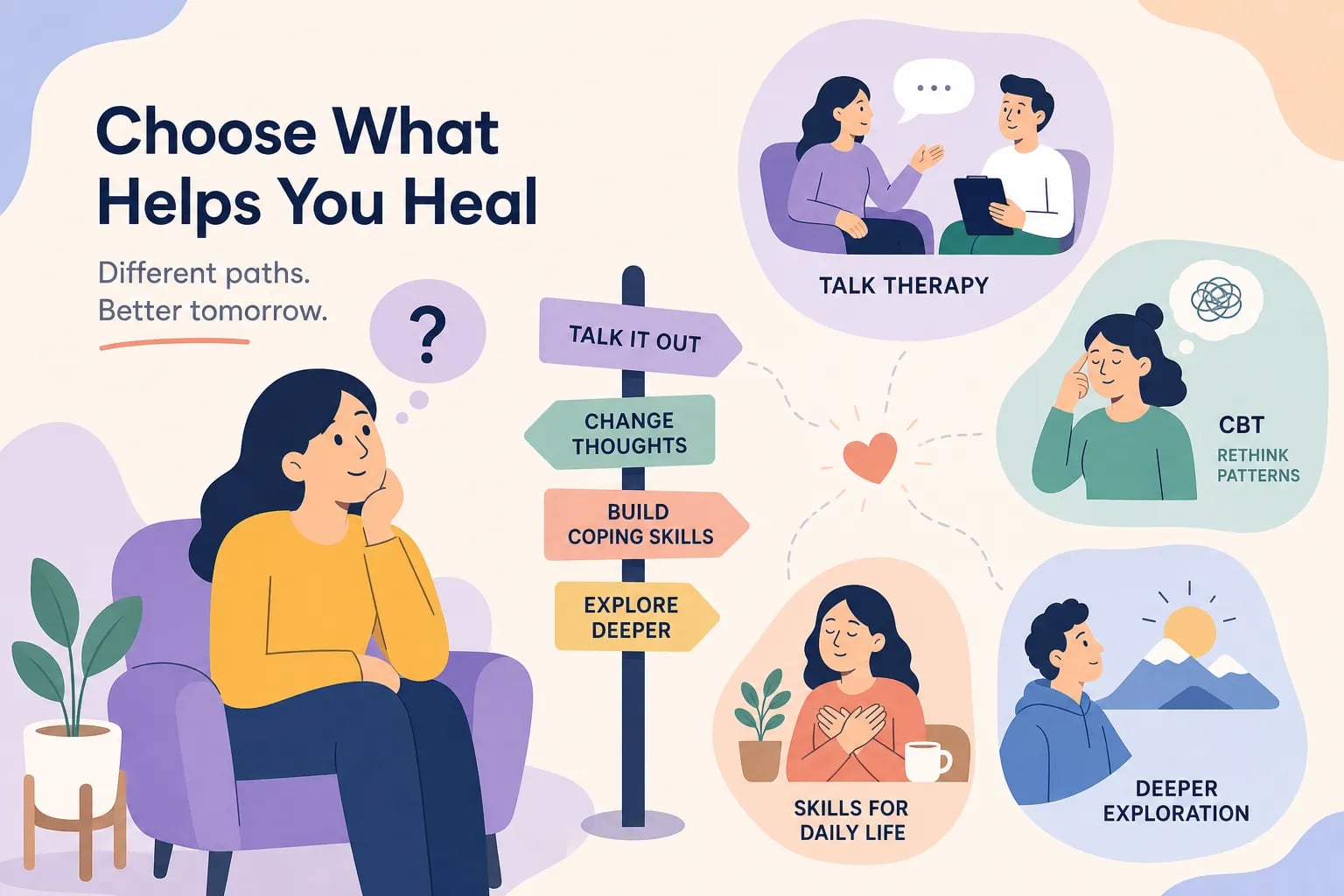
The main service types you’ll encounter include individual therapy, psychiatry and medication management, partial hospitalization programs (PHP), intensive outpatient programs (IOP), neuropsychological assessment, and crisis intervention. PHP provides daily structured programming one step below inpatient hospitalization. IOP offers several hours of support per week while you maintain work and home responsibilities. Neuropsychological assessments evaluate cognitive functioning and emotional health for diagnostic clarity. Knowing which category fits your situation helps you skip straight to the right resource.
Telehealth has significantly expanded access to care across Chicago. Many private practices, including group practices, now offer hybrid models that work around demanding schedules, limited transportation, or suburban addresses. If in-person appointments aren’t realistic right now, that’s no longer a barrier to quality care.
Crisis lines and emergency resources to save right now
If you’re in crisis right now, or supporting someone who is, start here. Knowing who to call before a crisis hits is one of the most practical things you can do. The numbers below are active 24 hours a day, seven days a week.
- 988 Suicide & Crisis Lifeline: call or text 988
- Crisis Text Line: text HOME to 741741
- CARES & SASS (Medicaid-eligible youth and adults): 1-800-345-9049
- NAMI Chicago Helpline: 833-626-4244
- Veterans Crisis Line: 988, press 1
- Chicago Rape Crisis Hotline: 888-293-2080
- Boys Town National Hotline (multilingual): 800-448-3000
- Asian LifeNet (Cantonese, Mandarin, Japanese, Korean, Fujianese): 1-877-990-8585
For mobile crisis response on Chicago’s north and northwest sides, the Thresholds Mobile Crisis Response Team covers ZIP codes 60613, 60640, and 60657 (773-572-5464). Chicago’s CARE team responds to mental health-related calls on weekdays from 10:30 a.m. to 4:00 p.m. in designated areas. The 988 line can also connect callers to mobile response teams in many situations.
The decision between calling a hotline and going to the ER comes down to physical safety. Call 988 or a crisis line when you’re in emotional distress but not in immediate physical danger. Go to the ER or call 911 when there is immediate physical risk to yourself or someone else. That’s the clearest framework to carry into a high-stress moment.
Low-cost and community mental health options across the city
Mental health care in Chicago can feel out of reach if you’re uninsured, underinsured, or on a tight budget. But the city has a meaningful network of community-based options, most people simply don’t know how to find them.
City-funded clinics through Chicago’s Expanded Mental Health Services Program
The City of Chicago funds community mental health clinics through its Expanded Mental Health Services Program. Eligibility is based on your home address and service area, not income alone. The Encompassing Center serves the West Side and Near West Side (1016 W. Jackson Blvd.). The Kedzie Center covers Albany Park, Irving Park, North Park, and Sauganash. The LoSAH Center of Hope serves Logan Square, Avondale, and Hermosa. Call your nearest center first to confirm your address falls within its service area.
Sliding-scale and no-cost mental health clinics in Chicago
Beyond the city-funded programs, several clinics operate on sliding-scale or no-cost models:
- Bette D. Harris Family & Child Clinic: no-cost therapy for those who cannot afford it
- Chicago Psychoanalytic Institute: $5, $20 per session
- The Family Institute: $10, $150 per session
- Old Irving Park Community Clinic: free behavioral health care for uninsured adults
- CommunityHealth: mental health services for low-income, uninsured adults
- Centered Therapy Chicago: $65 per session for therapist-in-training sessions
How to qualify and get started
To get started at any of these low-cost mental health Chicago clinics, call first to confirm eligibility and ask about open slots. Gather proof of income, insurance status, and your home address. Ask specifically about sliding-scale tiers, waitlists, and whether the clinic can refer you elsewhere if they’re full. It’s worth asking even if you assume you won’t qualify.
Mental health services for Chicago’s diverse communities
Chicago ranks among the most racially and ethnically diverse large cities in the United States (U.S. Census Bureau). Many residents need more than a generic therapy referral, they need care that reflects their identity, culture, and lived experience. The providers below are doing that work.
LGBTQIA+-affirming care in Chicago
Clarity Clinic offers affirming therapy, group therapy, and psychiatry across multiple Chicago locations including River North, the Loop, and Lakeview. IntraSpectrum Counseling serves children through seniors. Chicago Pride Center provides affirming behavioral health and group therapy across Chicago communities. UChicago Medicine and UI Health both offer LGBTQ+-inclusive behavioral health services, with UChicago particularly active on the South Side. Affirming care should be a baseline expectation, not a specialty add-on, it’s reasonable to ask any prospective provider directly about their experience and approach before committing.
BIPOC and culturally responsive care
The Aguirre Center for Inclusive Psychotherapy focuses specifically on BIPOC, Latinx, and marginalized identity communities in Chicago. Howard Brown Health offers sliding-scale services and has done significant work addressing barriers to care for communities of color. UChicago Medicine serves many young LGBTQ+ people of color in low-income South Side communities. Research consistently links culturally responsive care to stronger therapeutic engagement and better treatment outcomes (see, e.g., the American Psychological Association’s multicultural guidelines). You’re entitled to ask any prospective provider directly about their experience working with clients from your background.
Youth and young adult mental health Chicago resources
SunCloud Health in Chicago’s Lincoln Park neighborhood (60614) specializes in adolescent and young adult programs for ages 13 to 30. UChicago Medicine serves all ages with strong resources for South Side families. One distinction worth knowing: school counselors and child therapists serve different roles. A private child psychologist provides clinical diagnosis and evidence-based treatment that a school counselor, however caring, is typically not trained or equipped to deliver.
Private and specialty care worth considering
Not every situation calls for a community clinic or a crisis line. For many Chicagoans, the right fit is a private practice or specialty outpatient program that offers clinical depth, flexible scheduling, or a specific treatment modality.
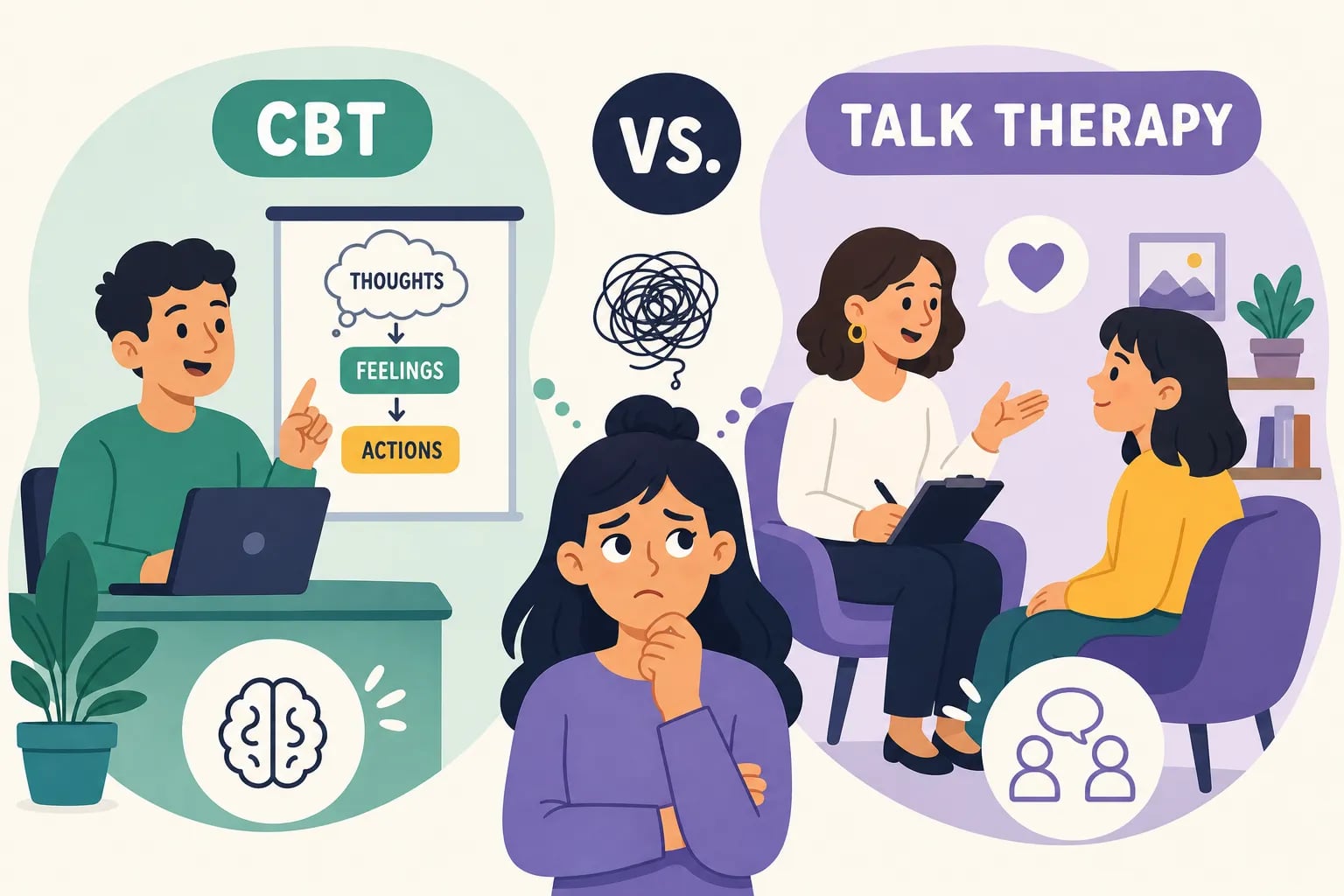
Private practice makes the most sense when you have insurance or can afford self-pay rates (typically $140, $260 per session at Chicago group practices), when you want consistent long-term therapist matching, or when you need a specific approach like CBT, couples therapy, neuropsychological assessment, or performance coaching.
PHP and IOP options in Chicago
For more intensive care, Clarity Clinic and Compass Health Center both offer PHP and IOP services in Chicago. Compass Health Center (2500 W. Bradley Place) conducts mental health assessments within 24 hours and psychiatric evaluations within 24 to 48 hours of inquiry, with hours running Monday through Friday, 7:30 a.m. to 9:00 p.m. (877-492-0170). Clarity Clinic also offers TMS, a non-medication brain stimulation treatment for treatment-resistant depression (312-754-9404). These options bridge the gap between weekly therapy and full hospitalization for people who need structured support while maintaining their daily lives.
River North Counseling: in-person and virtual therapy across Illinois
River North Counseling is a multi-specialty group practice with offices in River North and Skokie. The practice serves individuals, couples, families, and children, with services that include individual therapy, CBT, couples counseling, child therapy with specialized child psychologists, neuropsychological assessment, parent coaching, and performance coaching for high achievers. Both in-person and virtual sessions are available throughout Illinois.
For Chicagoans who want clinical depth and a broad service range in one place, River North Counseling offers personalized therapist matching without the need to navigate multiple providers. Whether you’re addressing anxiety, depression, adolescent behavioral challenges, or executive performance, the practice is designed to meet a range of needs under one roof.
How to get your first appointment without getting stuck
Often, the biggest barrier between wanting help and getting it is simply taking the first step. Understanding what actually happens when you reach out removes most of that friction.
Insurance and low-cost mental health Chicago options
Many private practices in Chicago accept major private insurers including Aetna, BCBS, Cigna, and UnitedHealthcare, though coverage varies by practice, so it’s worth confirming directly. For Medicaid, Feel Good Counseling Center accepts all six Illinois Medicaid managed care organizations and offers telehealth. ARCH Counseling Center accepts Medicaid, Medicare Advantage networks, and major private plans. Luxury Psychiatry Clinic accepts Medicare and offers telehealth appointments. Call your insurer first to confirm your behavioral health benefits, then ask any prospective provider whether they’re in-network.
What to expect at your intake appointment
The intake process is simpler than most people expect. The first call or intake form is about eligibility and matching, not therapy itself. Expect questions about what you’re looking for, your insurance details, and your general availability.
An intake appointment, often around 45 to 60 minutes, follows, where the therapist gathers background and discusses your goals. You don’t need to have everything figured out before you walk in. No good therapist expects that.
When choosing a therapist, look for someone who specializes in your specific concern, whether that’s anxiety, trauma, relationship conflict, or child development. Confirm they have availability that fits your schedule and offer your preferred format. If the first match isn’t right, asking for a different therapist is completely reasonable. The goal is fit, not just availability.
Chicago has resources, you just needed the map
Chicago’s mental health care system is more robust than most residents realize. Crisis lines exist for immediate support. Community clinics offer low-cost and no-cost ongoing care. Specialized providers serve LGBTQIA+ communities, BIPOC clients, youth, and veterans. Private practices offer clinical depth and flexible access for those who want a consistent, personalized relationship with a therapist.
Reaching out is the hardest part of this process. Each provider listed in this article offers services designed to help people across a wide range of situations, contact them directly to confirm fit. The information above exists so that the moment you’re ready to act, you know exactly where to go and what to expect when you get there.
If you’re ready to take the next step toward ongoing care, River North Counseling offers a full range of mental health Chicago services from a team of experienced, compassionate clinicians. Whether you want to meet in person at the River North or Skokie office, or connect virtually from anywhere in Illinois, their team is ready to match you with the right support. Visit their website to learn more and get started.