

Digital connectivity has transformed modern life, making communication, education, and work more convenient. However, it has also introduced new mental health challenges, including increased anxiety, digital dependency, and social isolation. As more people struggle with the psychological effects of being constantly connected, it’s essential to understand both the benefits and drawbacks of digital connectivity. This article explores how digital access affects mental well-being and offers insights into healthier ways to navigate the digital world.
Understanding Digital Connectivity’s Mental Health
Digital connectivity refers to our ability to communicate, work, and engage with the world through the internet and technology. While it has made life more efficient, its effects on mental health are complex. Studies show that constant digital engagement can contribute to stress, mood disorders, and even physical health issues. On the other hand, when used wisely, digital access can improve well-being by fostering connection and providing mental health resources.
The Pros of Digital Connectivity for Mental Well-Being
1. Strengthening Emotional Support Networks
One of the most significant benefits of digital connectivity is staying in touch with loved ones and finding support groups. People experiencing loneliness, depression, or anxiety can connect with online communities that offer encouragement and understanding. For example, a person struggling with grief can join an online support group to share their experience and receive emotional support from others going through similar challenges.
2. Increased Access to Mental Health Resources
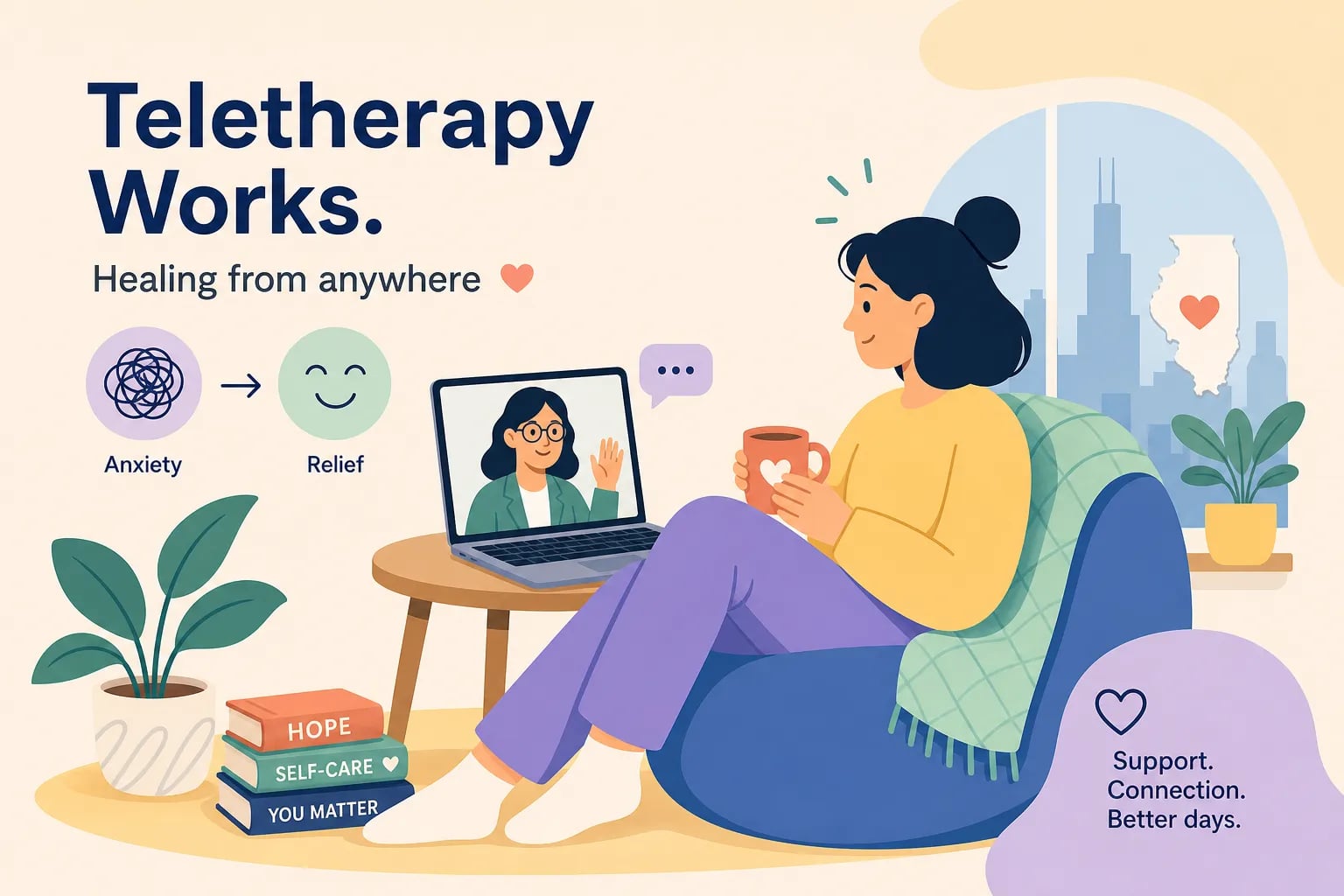
Thanks to digital connectivity, mental health awareness has expanded. Online therapy, mental health apps, and educational content make psychological support more accessible than ever. Therapy apps like BetterHelp or Talkspace allow individuals to access counseling from the comfort of their homes, reducing barriers to seeking help.
3. Digital Tools for Anxiety and Stress Management
Technology has also provided innovative ways to manage stress. Mindfulness apps, guided meditation videos, and AI-driven mental health check-ins help users track and regulate their emotions. Example: A person struggling with stress at work might use a guided breathing app to manage anxiety in real time.
4. Flexible Work and Reduced Commuting Stress
Remote work opportunities, made possible by digital connectivity, can reduce workplace stress by eliminating long commutes and offering a more comfortable work environment. Example: A remote worker with social anxiety may feel more at ease working from home than in a crowded office setting.
5. Reduced Stigma Around Mental Health Discussions
Social media and online platforms have made it easier to talk about mental health. More people openly discuss their struggles, which helps reduce stigma and encourages individuals to seek help when needed. Example: A public figure sharing their battle with depression can inspire others to seek professional support without fear of judgment.
The Psychological Downsides of Digital Connectivity
1. Social Media and Comparison Culture
Excessive social media use can lead to negative self-esteem issues, anxiety, and depression. Constantly seeing curated highlights of others’ lives makes people feel inadequate or left out. Example: A young adult scrolling through Instagram may feel discouraged seeing peers traveling and achieving milestones, leading to self-doubt and anxiety.
2. Digital Addiction and Mental Fatigue
The addictive design of social media and digital platforms creates a compulsive need to check notifications, emails, or messages. Overuse can lead to mental exhaustion, reduced productivity, and heightened anxiety. Example: A person checking their phone every few minutes may struggle with concentration and experience increased stress due to information overload.
3. Increased Loneliness Despite Being “Connected”
While digital tools make communication easier, they don’t always replace real-life interactions. Many people report feeling disconnected and lonely despite being constantly online. Example: A person who engages in daily online conversations may still feel emotionally isolated if they lack face-to-face relationships.
4. Sleep Disruptions and Mental Health Decline
Screen exposure, significantly before bed, interferes with melatonin production and reduces sleep quality. Poor sleep contributes to higher stress levels, irritability, and worsened mental health conditions like anxiety and depression. Example: A teenager who scrolls on TikTok late into the night may struggle with mood swings and poor focus during the day due to sleep deprivation.
5. Fear of Missing Out (FOMO) and Anxiety
Social media creates pressure to keep up with trends, events, and social circles. This can lead to FOMO, increased anxiety, and compulsive checking behaviors that negatively impact mental well-being. Example: A person feeling pressured to attend every social event to “keep up with friends” may experience increased stress and burnout.
How to Maintain Healthy Digital Habits for Mental Well-Being
1. Set Boundaries for Social Media and Screen Time
Taking regular breaks from digital devices helps reduce stress and mental fatigue. Setting specific screen-free hours, especially before bedtime, can improve mental clarity and relaxation.
2. Curate a Positive Digital Environment
Unfollow accounts that trigger anxiety or comparison. Instead, engage with uplifting, educational, and supportive content that fosters positive self-esteem.
3. Prioritize Real-Life Social Connections
Face-to-face interactions are crucial for emotional well-being. Balancing online engagement with in-person conversations helps maintain healthy social skills and deep relationships.
4. Use Digital Tools for Mental Wellness
Apps that promote mindfulness, meditation, and stress reduction can enhance mental well-being rather than detract from it.
5. Seek Professional Support When Needed
If digital connectivity is leading to increased anxiety, social withdrawal, or emotional distress, seeking professional counseling can help. Therapists can provide personalized strategies to create a healthier relationship with technology and improve mental well-being.
Common Questions About Digital Connectivity and Mental Health
Can social media cause depression?
While social media doesn’t cause depression, excessive use—especially involving comparison and negative interactions—can contribute to depressive symptoms.
How can I tell if I’m addicted to digital devices?
Signs of digital addiction include checking your phone compulsively, feeling anxious without internet access, and struggling to focus on offline activities.
Is digital detoxing beneficial for mental health?
Yes! Taking breaks from social media, reducing screen time, and engaging in offline activities can significantly improve focus, reduce stress, and enhance mood.
When should I consider counseling for digital-related stress?
If technology interferes with daily life, relationships, or mental health, professional counseling can help set healthier boundaries and develop coping strategies.
Finding Balance in a Digital World
Digital connectivity is a powerful tool that can either enhance or harm mental health, depending on its use. It offers valuable resources, social support, and convenience. However, excessive use can lead to stress, anxiety, and social disconnection. By setting boundaries, curating positive digital habits, and prioritizing mental well-being, individuals can reap the benefits of digital connectivity without the adverse psychological effects. If you’re overwhelmed by digital stress, seeking professional counseling can provide personalized support and guidance
For counseling services, visit https://www.rivernorthcounseling.com or call now. (312) 467-0000.