

Teen Anxiety: How to Help Without Pushing Them Away
Adolescence brings significant emotional, social, and physical change. Teenagers develop their identities, navigate friendships, manage academic expectations, and learn to become more independent. Along the way, anxiety can become an unwelcome companion. For parents and caregivers, recognizing when ordinary teenage stress becomes something more serious can be challenging.
Even more challenging is knowing how to help without making a teenager feel criticized, pressured, or misunderstood. Parents may ask questions out of concern, offer advice with good intentions, or encourage their teenager to talk about difficult feelings. Yet these attempts can sometimes lead to withdrawal, frustration, or arguments.
Understanding teenage anxiety and responding with patience can strengthen family relationships while helping adolescents develop emotional resilience. Families in Chicago seeking additional guidance may also benefit from professional counseling when anxiety begins interfering with everyday life.
Understanding Anxiety in Teenagers
Anxiety is a natural response to uncertainty, perceived danger, or stressful circumstances. Occasional nervousness before an examination, social gathering, or important event is a normal part of adolescence. However, persistent or excessive anxiety may affect a teenager’s ability to participate in school, maintain friendships, sleep comfortably, or enjoy daily activities.
According to the National Institute of Mental Health, anxiety disorders involve symptoms that extend beyond temporary worry and can interfere with everyday functioning.
Teenagers may experience anxiety differently from adults. Some express their concerns openly, while others attempt to hide their distress because they fear judgment, embarrassment, or disappointing their parents.
Common Signs of Teen Anxiety
Signs of anxiety can include:
- Excessive worry about school, friendships, appearance, or the future.
- Frequent headaches, stomachaches, or unexplained physical discomfort.
- Difficulty falling asleep or staying asleep.
- Irritability, restlessness, or heightened emotional reactions.
- Avoiding school, social events, or unfamiliar situations.
- Seeking repeated reassurance about everyday concerns.
- Difficulty concentrating or completing assignments.
- Withdrawal from previously enjoyable activities.
These behaviors do not automatically indicate an anxiety disorder. However, when symptoms persist, intensify, or disrupt daily functioning, professional evaluation may be appropriate.
Why Teenagers Sometimes Push Parents Away
When parents notice their teenager struggling, the natural response is often to ask questions, offer solutions, or encourage immediate action. Unfortunately, teenagers may interpret these efforts as criticism or pressure, particularly when they already feel overwhelmed.
Adolescence involves an increasing need for independence. Teenagers want opportunities to make decisions, establish boundaries, and manage their personal experiences. Anxiety can complicate this developmental process by making ordinary decisions feel threatening or overwhelming.
A teenager who responds with silence, defensiveness, or frustration may not necessarily be rejecting parental support. The teenager may struggle to explain their feelings, fear an uncomfortable conversation, or need time to process emotions.
Recognizing this distinction helps parents respond with curiosity rather than confrontation.
1. Listen Before Offering Solutions
One of the most effective ways to support an anxious teenager is to listen without immediately attempting to solve the problem.
When teenagers share concerns, they may need acknowledgment before instructions. Responses such as “That sounds stressful” or “It makes sense that this situation feels difficult” communicate understanding without minimizing the experience.
Parents can encourage conversation through open-ended questions:
- “What has been the hardest part of your week?”
- “What would help you feel supported right now?”
- “Would you rather talk about this now or later?”
Listening does not mean agreeing with every interpretation or avoiding important boundaries. It means creating enough emotional safety for a teenager to express concerns without expecting an immediate lecture.
2. Validate Feelings Without Reinforcing Fear
Emotional validation acknowledges that a person’s feelings are real and meaningful. It does not require agreeing that every feared outcome is likely.
For example, a teenager who fears embarrassment during a classroom presentation may benefit from hearing that public speaking can feel intimidating. However, repeatedly assuring the teenager that nothing uncomfortable will happen may unintentionally encourage dependence on reassurance.
A more balanced response acknowledges the anxiety while reinforcing coping abilities: “Presentations can feel uncomfortable, and there are ways to prepare and get through them.”
This approach helps teenagers understand that they can tolerate and manage uncomfortable feelings.
3. Avoid Turning Every Conversation Into an Anxiety Discussion
When a teenager experiences anxiety, parents may become increasingly focused on symptoms, school performance, and emotional well-being. Although understandable, constant monitoring can make teenagers feel that anxiety has become their defining characteristic.
Maintaining ordinary family conversations about music, hobbies, sports, friendships, and shared interests preserves connection beyond mental health concerns.
Spending time together without expecting emotional disclosure can also make future conversations feel less intimidating. Activities such as cooking, walking, or sharing a meal may provide opportunities for communication to develop naturally.
4. Encourage Independence Through Manageable Steps
Anxiety frequently encourages avoidance. A teenager who feels uncomfortable in social situations may begin declining invitations. Someone worried about academic performance may procrastinate because starting an assignment feels overwhelming.
Although avoidance can provide temporary relief, it may strengthen anxiety over time.
Parents can support gradual participation in challenging situations by helping teenagers identify realistic, manageable steps.
For example, a teenager anxious about attending a school activity might begin by discussing expectations, attending briefly with a trusted friend, or developing a plan for managing uncomfortable moments.
The objective is not to force immediate participation or eliminate every accommodation. It is to support increasing confidence while respecting the teenager’s developmental needs and emotional capacity.
5. Pay Attention to the Language LanguageHome
Words can influence whether teenagers experience parental involvement as supportive or judgmental.
Statements such as “You’re overreacting,” “There’s nothing to worry about,” or “Just stop thinking about it” may unintentionally communicate that anxiety is a personal failure.
More constructive alternatives include:
- “This seems important to you. Can you explain more?”
- “What part of this situation feels most difficult?”
- “It is okay to feel nervous while learning something new.”
- “Support is available, and this does not have to be handled alone.”
Supportive language supports cooperation while reducing shame around emotional struggles.
6. Model Healthy Responses to Stress
Teenagers learn emotional habits partly by observing how adults respond to difficult situations. Parents who demonstrate constructive coping strategies provide practical examples of emotional regulation.
Healthy modeling may include maintaining routines, acknowledging stress without catastrophizing, practicing relaxation techniques, and taking breaks when emotions become intense.
Adults do not need to demonstrate perfect emotional control. A parent who calmly acknowledges frustration and returns to a difficult conversation after cooling down can model accountability and resilience.
The Centers for Disease Control and Prevention offers resources addressing adolescent development, parental connection, and supportive family relationships.
7. Establish Predictable Routines Without Excessive Control
Consistent routines can provide stability during emotionally demanding periods. Adequate sleep, regular meals, physical activity, and realistic academic expectations may support overall emotional well-being.
However, excessively rigid schedules or constant supervision can create additional conflict.
Collaborative planning allows teenagers to participate in decisions about homework, extracurricular activities, technology use, and downtime. When appropriate, offering choices can help teenagers feel respected while maintaining necessary family expectations.
Parents should also consider whether overscheduling, chronic sleep deprivation, bullying, or unrealistic performance pressures may be contributing to distress.
8. Recognize When Professional Counseling May Help
Parental support is important, but some teenagers require additional assistance from a qualified mental health professional.
Professional evaluation may be especially helpful when anxiety causes persistent school avoidance, significant sleep disruption, frequent panic symptoms, social withdrawal, or substantial family conflict.
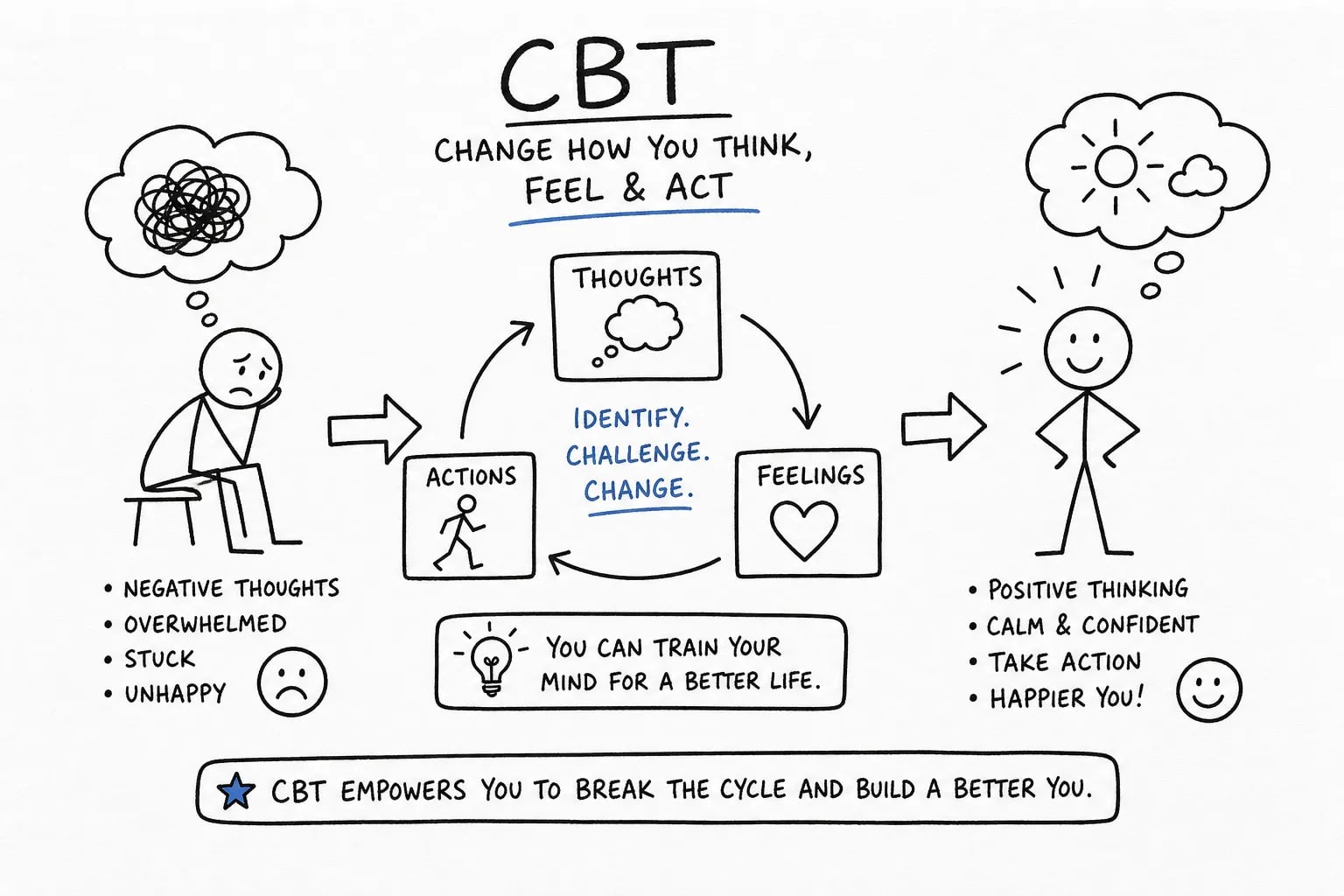
Evidence-based approaches such as cognitive behavioral therapy (CBT) can help adolescents recognize anxious thinking patterns, develop coping strategies, and gradually approach feared situations.
The American Academy of Child and Adolescent Psychiatry provides educational information about mental health conditions and treatment considerations affecting young people.
Depending on individual circumstances, treatment may include individual therapy, caregiver involvement, family-based strategies, or coordination with other healthcare professionals.
How Parents Can Introduce the Idea of Counseling
Suggesting counseling can be sensitive, particularly when teenagers worry that seeking help means something is wrong with them.
Rather than presenting therapy as punishment or a response to unacceptable behavior, parents can describe counseling as an opportunity to learn skills, understand emotions, and receive support from a trained professional.
Whenever possible, involving teenagers in discussions about counseling can increase their sense of autonomy. Parents can explain what therapy generally involves, invite questions, and discuss reasonable preferences regarding the process.
Teenagers may also benefit from understanding confidentiality and its limits. A clinician can explain what information remains private and when safety concerns require additional communication with caregivers or appropriate professionals.
Supporting Teen Anxiety in Chicago Families
Families in Chicago may face additional pressures from demanding academic environments, busy schedules, social expectations, and competing family responsibilities. Although these experiences vary considerably, they can influence how teenagers manage stress.
River North Counseling Group LLC, located in downtown Chicago, is a local resource families can contact to inquire about counseling services, clinician availability, and whether adolescent anxiety concerns fall within the practice’s current scope of care.
Families should seek an appropriate professional assessment rather than assuming that every emotional or behavioral difficulty is caused by anxiety.
People Also Ask: Teen Anxiety Questions
How can parents help a teenager with anxiety without making it worse?
Parents can listen without judgment, validate emotions, maintain predictable routines, and encourage manageable steps toward challenging situations. Avoiding excessive reassurance, criticism, and unnecessary pressure may help teenagers build confidence while preserving communication.
Why does an anxious teenager push parents away?
Teenagers may withdraw because they feel overwhelmed, embarrassed, misunderstood, or concerned about losing independence. Withdrawal does not always indicate rejection. Respectful communication and opportunities for choice can help maintain connection.
What should parents avoid saying to a teenager with anxiety?
Parents should avoid dismissive statements such as “Just relax,” “Stop worrying,” or “You’re being dramatic.” These responses can increase shame. Acknowledging distress and encouraging realistic coping strategies is generally more constructive.
When should a teenager see a therapist for anxiety?
Professional support may be appropriate when anxiety persists, causes substantial distress, or interferes with school attendance, relationships, sleep, or daily functioning. A qualified clinician can assess symptoms and recommend appropriate next steps.
Can teenage anxiety improve without medication?
Some teenagers improve through evidence-based psychotherapy, coping skills, supportive family practices, and changes to stressful circumstances. Others may benefit from medication or combined treatment. Decisions should reflect individual clinical needs and professional evaluation.
How can parents encourage a teenager to talk about anxiety?
Parents can choose calm moments, ask open-ended questions, respect reasonable privacy, and avoid demanding immediate answers. Consistent availability and nonjudgmental listening can make conversations feel safer over time.
Building Trust While Helping Teenagers Manage Anxiety
Helping an anxious teenager requires a balance of empathy, patience, structure, and encouragement. Parents do not need to eliminate every stressful experience or provide immediate answers to every concern.
Instead, consistent emotional support, respectful boundaries, and opportunities for growing independence can help teenagers develop healthier coping skills.
When anxiety becomes persistent or disruptive, professional guidance can provide additional tools for teenagers and their families. Seeking help early may reduce unnecessary suffering and support healthier emotional development.
Important: If a teenager expresses suicidal thoughts, self-harm intentions, or immediate safety concerns, seek urgent professional assistance. In the United States, call or text 988 for crisis support. Call 911 for an immediate life-threatening emergency.
Contact River North Counseling Group LLC
Families interested in learning more about counseling and available mental health services can contact River North Counseling Group LLC to discuss appropriate next steps.
River North Counseling Group LLC
405 North Wabash Avenue
Suite 3209
Chicago, Illinois 60611
Office: 312.467.0000
Website: https://www.rivernorthcounseling.com
Contact River North Counseling Group LLC to ask about counseling options, availability, and services that fit your family’s needs.