
Emotional Safety in Marriage: What It Looks Like and How to Build It
Published: October 26, 2026
Why Emotional Safety Matters in Marriage
Every marriage experiences moments of disagreement, frustration, and uncertainty. What often determines a relationship’s strength is not the absence of Conflict, but whether both partners feel emotionally safe enough to express their thoughts, needs, and vulnerabilities without fear of ridicule, rejection, or retaliation.
Emotional safety in marriage creates a foundation for trust, intimacy, and meaningful communication. When spouses feel accepted and respected, they are more likely to discuss difficult topics, acknowledge mistakes, and support each other through life’s challenges.
However, emotional security does not always develop naturally. Past relationship experiences, unresolved disagreements, chronic stress, and communication difficulties can gradually undermine a couple’s sense of connection. Understanding emotional safety and learning how to strengthen it can help couples build healthier, more resilient relationships.
What Is Emotional Safety in Marriage?
Emotional safety in marriage is feeling respected, understood, and secure when you share personal emotions with your spouse. It means you can communicate honestly without expecting humiliation, intimidation, or emotional punishment.
An emotionally safe relationship lets both partners stay connected while maintaining their individuality. Each person can express concerns, establish boundaries, and disagree without believing the relationship is immediately at risk.
Emotional safety does not mean partners must always agree or never experience anger. Instead, it involves managing disagreements with mutual respect and taking responsibility when behavior causes emotional harm.
Research on adult attachment and relationship functioning highlights the importance of responsiveness, emotional availability, and supportive interactions in close relationships. The American Psychological Association provides additional educational resources about relationships and psychological well-being.
What Does Emotional Safety Look Like in a Healthy Marriage?
Emotional safety often shows up in everyday interactions rather than dramatic romantic gestures. A spouse may feel comfortable discussing financial worries, admitting a mistake, or sharing feelings of insecurity because previous conversations have demonstrated care and respect.
Healthy emotional security often includes consistent listening, respectful disagreements, dependable behavior, and a willingness to repair misunderstandings. Partners can acknowledge differences without dismissing each other’s experiences.
For example, when one spouse expresses feeling overwhelmed by household responsibilities, an emotionally supportive response focuses on understanding the concern rather than immediately assigning blame.
Over time, these ordinary moments of responsiveness can strengthen emotional intimacy and reinforce the belief that both partners matter.
Signs That Emotional Safety May Be Missing
When emotional safety deteriorates, couples may avoid conversations or hide feelings to prevent negative reactions. One partner might hesitate to express disappointment because past discussions led to criticism, defensiveness, or prolonged hostility.
Other warning signs include frequent contempt, dismissive language, emotional withdrawal, repeated broken promises, and unresolved conflicts that continue resurfacing.
Some couples get stuck in a cycle where one spouse seeks reassurance while the other withdraws. Although both may desire connection, their responses can unintentionally increase insecurity.
Recognizing these patterns is an opportunity to consider healthier communication strategies. However, emotional abuse, coercive control, threats, or intimidation require a different response focused on safety. Couples counseling is not necessarily appropriate when abuse or coercion is present.
Why Emotional Safety Is Essential for Trust and Intimacy
Trust develops when partners experience consistency between words and actions. Emotional safety supports this process by making vulnerability less threatening and honest communication more possible.
Without emotional security, even ordinary disagreements may activate fears of rejection or abandonment. Couples may become increasingly defensive, which makes productive conversations difficult.
In contrast, when partners feel secure, they can approach problems collaboratively. They are more likely to discuss emotional needs, negotiate boundaries, and recover after disagreements.
Emotional intimacy also depends on feeling understood. Physical affection and shared activities can strengthen connection, but emotional closeness requires opportunities to express personal experiences without judgment.
“Emotional safety is not the absence of disagreement. It is the confidence that honesty, vulnerability, and personal boundaries will be treated with respect.”
How to Build Emotional Safety in Marriage
Building emotional safety takes consistent action, not occasional promises. Couples can start by identifying communication habits that build connection and those that create defensiveness or emotional distance.
1. Practice Active Listening
Active listening means giving a spouse focused attention without immediately interrupting, correcting, or preparing a counterargument. Reflecting what they shared can show you understand.
For example, responding with “It sounds like this situation left you feeling unsupported” may encourage a better conversation. Listening doesn’t require agreeing with every interpretation; it requires taking the other person’s experience seriously.
2. Validate Feelings Without Automatically Agreeing
Emotional validation acknowledges that another person’s feelings are meaningful, even when partners see the situation differently.
Statements such as “That sounds frustrating” or “It makes sense that this affected you” can reduce defensiveness. Validation should remain genuine and should not require accepting harmful behavior or abandoning personal boundaries.
3. Replace Criticism With Clear Requests
Character-attacking criticism can undermine emotional security. Couples may communicate more effectively by describing a specific concern and requesting a constructive change.
Instead of saying, “You never care about anything important,” a partner might say, “It would help to set aside time tonight to discuss the household budget.”
This approach keeps the conversation focused on a solvable issue rather than personal blame.
4. Respect Emotional and Personal Boundaries
Healthy boundaries clarify what each person needs to feel respected. They may involve privacy, communication expectations, personal time, or limits around Conflict. For instance, taking a short break during an escalating argument can be helpful when both partners agree to return to the discussion. Using silence to punish, threaten, or control a spouse is different from taking a respectful pause.
5. Follow Through on Commitments
Trust strengthens through dependable behavior. Keeping agreements, acknowledging mistakes, and communicating honestly about changing circumstances show you’re reliable.
When trust has been damaged, rebuilding it generally requires patience and repeated evidence of changed behavior. Apologies can begin the repair process, but sustained accountability is essential.
6. Learn to Repair Conflict. Emotionally connected couples sometimes say things they regret. Repair means recognizing the impact of harmful behavior, accepting appropriate responsibility, and finding better ways to handle future disagreements.
A meaningful apology avoids excuses and focuses on understanding the injury. Both partners should have opportunities to express concerns without pressure to forgive immediately.
How Past Experiences Affect Emotional Security
Childhood relationships, previous partnerships, betrayal, and traumatic experiences can influence how individuals interpret emotional closeness and Conflict. Someone who experienced unpredictable relationships may become especially sensitive to withdrawal or changes in tone. Another person may respond to difficult emotions by distancing themselves because emotional expression previously felt unsafe.
These reactions do not necessarily indicate a lack of love or commitment. They may reflect learned protective patterns that require awareness and, sometimes, professional support.
Understanding these influences can encourage compassion, but past experiences do not excuse intimidation, manipulation, or repeated harmful behavior.
Can Marriage Counseling Help Build Emotional Safety?
Marriage counseling may help couples recognize recurring communication patterns, understand emotional needs, and develop healthier responses to Conflict. A qualified mental health professional can help partners explore relationship concerns and practice skills such as emotional validation, constructive problem-solving, and conflict repair.
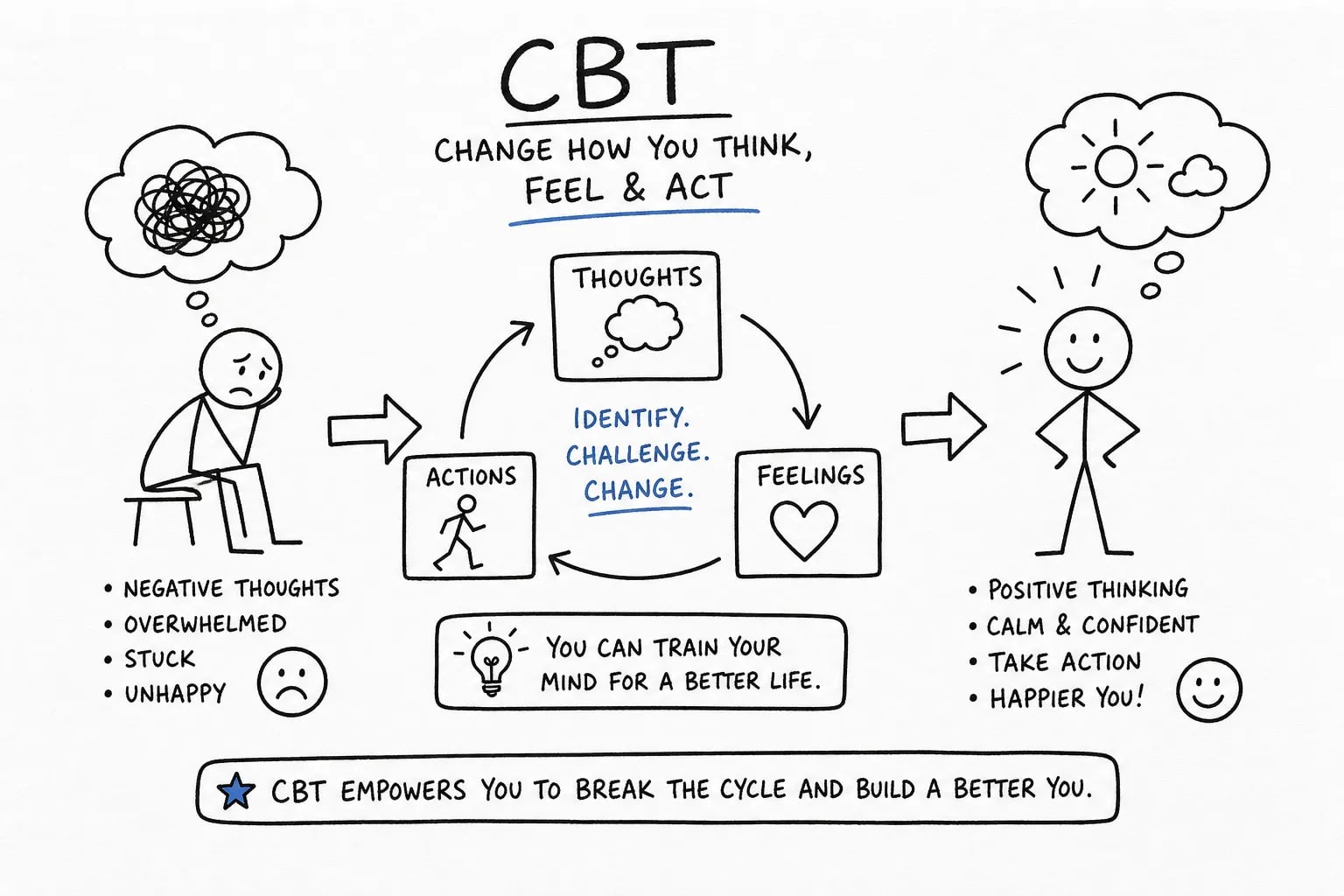
Therapeutic approaches may incorporate attachment-based concepts, cognitive behavioral strategies, or other evidence-informed relationship interventions depending on the couple’s needs.
Couples counseling does not guarantee reconciliation, and its suitability depends on the circumstances. When intimidation, abuse, or coercive control is involved, individual safety assessment and specialized support should take priority.
The American Association for Marriage and Family Therapy offers information about marriage and family therapy and professional practice.
Emotional Safety and Marriage Counseling in Chicago
Couples living and working in Chicago may encounter relationship pressures involving demanding schedules, career responsibilities, parenting, financial concerns, and limited opportunities for meaningful connection.
For couples seeking marriage counseling in Chicago, exploring emotional safety can be an important starting point for understanding recurring disagreements and relationship dissatisfaction.
River North Counseling Group LLC is located in Chicago’s River North area and can be contacted for information about counseling services, appointment availability, and whether its clinicians are appropriate for particular relationship concerns.
Professional support can provide a structured setting to examine communication difficulties and identify practical steps toward healthier interactions.
Daily Habits That Support Emotional Connection
Small, repeated interactions strengthen emotional safety. Couples don’t need perfect communication to make progress, but they do need to notice patterns and respond thoughtfully.
Useful daily practices include expressing appreciation, checking in about stress, avoiding distractions during important conversations, and acknowledging a partner’s efforts.
Partners may also benefit from scheduling time to discuss unresolved concerns when both feel calm enough to participate constructively.
These habits cannot resolve every relationship difficulty, but they can support a more respectful emotional environment when both partners participate voluntarily.
Practical Steps for Creating a More Emotionally Safe Marriage
- Listen to understand before offering advice or criticism.
- Communicate emotional needs clearly and respectfully.
- Recognize and validate feelings without dismissing concerns.
- Establish boundaries that protect each partner’s identity.
- Address disagreements without threats, contempt, or intimidation.
- Take responsibility for mistakes and follow through on commitments.
- Make time for appreciation, affection, and meaningful conversation.
- Consider professional counseling when recurring patterns remain difficult to change.
Conclusion: Building a Marriage Where Both Partners Feel Secure
Emotional safety in marriage is built through respect, consistency, empathy, and a shared commitment to healthier communication. It allows partners to express vulnerability, navigate disagreements, and maintain their individuality without sacrificing dignity.
Strengthening emotional security takes time, particularly when trust has been damaged. Progress may involve changing familiar communication habits, recognizing emotional triggers, and learning more constructive ways to respond to Conflict. For couples experiencing persistent communication challenges, professional counseling may offer additional guidance. A healthier marriage starts by creating conditions where both people feel heard, respected, and emotionally secure.
People Also Ask: Emotional Safety in Marriage
What are examples of emotional safety in marriage?
Examples include listening without ridicule, respecting personal boundaries, acknowledging feelings, keeping commitments, and discussing disagreements without threats or intimidation. Both spouses can express concerns without fearing punishment for honest communication.
How can emotional safety be rebuilt after trust is broken?
Rebuilding emotional safety generally involves acknowledging the harm, demonstrating accountability, establishing clear boundaries, and consistently following through on commitments. Professional counseling may help when both partners can participate safely and voluntarily.
What causes a lack of emotional safety in a relationship?
Common contributing factors include repeated criticism, contempt, emotional invalidation, broken promises, unresolved Conflict, and unpredictable responses. Previous relationship experiences may also affect feelings of security.
Can a marriage survive without emotional safety?
A marriage may continue without emotional safety, but the relationship can experience increased distress, avoidance, resentment, and reduced intimacy. Addressing the underlying issues may improve relationship functioning, although not every relationship can or should be preserved.
When should couples seek marriage counseling?
Couples may consider counseling when communication problems persist, disagreements repeatedly escalate, emotional distance increases, or trust becomes difficult to rebuild. If abuse or coercive control is present, specialized individual safety support should be considered first.
Contact River North Counseling Group LLC
For information about counseling services and appointment availability in Chicago, contact:
River North Counseling Group LLC405 North Wabash Avenue
Suite 3209
Chicago, Illinois 60611
Office: 312.467.0000
Website:
www.rivernorthcounseling.com